Bird mites indoors
Tiny specks on windowsills and bites at night after birds nested in the roof? Where bird mites come from and how to deal with them.
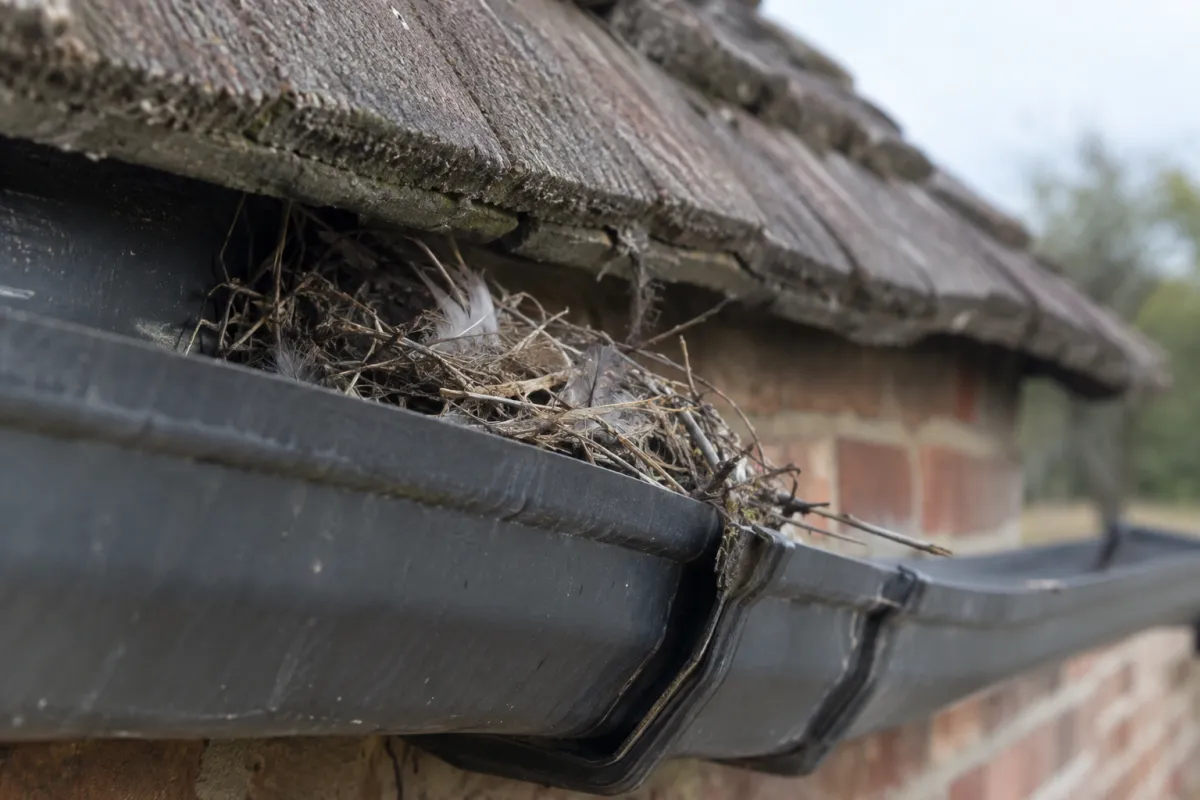
Bird mites usually turn up out of nowhere in late spring or summer. Tiny specks run across the windowsill, the ceiling or the bedding, and people start getting bitten. The cause is almost always a bird's nest close by, in the roof, the eaves or behind something fixed to the wall. Deal with the nest and the mites stop. Treat only the mites and they keep coming.
Where bird mites come from
Bird mites live in nests and feed on the birds and their chicks. In a busy nest their numbers can build into thousands, but while the birds are there, the mites stay put.
The trouble starts when the birds leave. That might be because the young have fledged, the nest has been abandoned, or the birds have been blocked out. With no birds to feed on, the hungry mites wander off looking for a new host, drawn by warmth. If the nest is in your roof or against your wall, the nearest warm bodies are indoors.
In London, the usual sources are the nests of pigeons, starlings and house sparrows. Look for:
- gaps under roof tiles and along the eaves
- gutters, fascia boards and soffits
- chimneys and disused flues
- the space behind air conditioning units, satellite dishes and solar panels
- sheltered corners of balconies, especially on higher floors
Rooms most affected are those closest to the nest: top-floor bedrooms, rooms under the loft, and rooms with a window or vent near the eaves.
How to tell it's bird mites
Bird mites are less than 1 mm long, about the size of a full stop. They're greyish or pale until they've fed, then reddish. Unlike most mites, you can see them moving, and they move quickly. Look for them:
- on windowsills, window frames and the wall below a window
- around light fittings, ceiling roses, the loft hatch and extractor fans
- on pillows and bedding, especially in a room near the eaves
To catch some for a closer look, press clear sticky tape onto them and stick it to white paper. A magnifying glass or a zoomed-in phone photo will show eight legs.
Timing helps too. Bites and specks that start soon after birds stop using a gap in the roof point strongly to bird mites. The tiny bright red mites on sunny walls in spring are clover mites. They don't bite. Bed bugs are much bigger, flat and brown, and stay close to the bed.
Bites and what to do about them
Bird mites bite people, but they can't live and breed on human blood, so they don't set up home on you. Bites are usually small, itchy red spots, often on the arms, neck and upper body. Some people also feel a crawling sensation on the skin.
- Wash the bites with soap and water, and hold a cool, damp cloth on them to ease the itching.
- Try not to scratch, as broken skin can become infected.
- A pharmacist can suggest something to relieve the itch.
- Speak to a pharmacist or call NHS 111 if bites become swollen, painful or red and spreading, or if you feel unwell.
Call 999 straight away if anyone has signs of a severe allergic reaction, such as difficulty breathing or swelling of the face, lips or throat.
Dealing with the nest
Under the Wildlife and Countryside Act 1981, it's an offence to damage or destroy the nest of most wild birds while it's being built or used. Wait until the nest is no longer in use before anything is removed, and if you're not sure, have it checked first.
Removing an old nest is a job to do carefully. Pulling it out by hand releases a shower of mites, often straight into the loft or the room below.
- The nest should be bagged where it is, then sealed and taken away.
- The area around it is then treated to kill the mites left behind.
- The gap the birds used should be proofed afterwards, so they can't nest there next year. Our bird control page covers proofing.
Clearing the mites indoors
While the source is being dealt with, you can cut down the number of mites inside.
- Vacuum daily along windowsills, skirting boards, around light fittings and on mattresses in affected rooms. Seal the bag or empty the canister into a tied bag for the outside bin.
- Wipe hard surfaces with a damp cloth to pick up stragglers.
- Wash bedding on a hot wash, and keep beds a little away from walls and windows.
- Avoid bug bombs and foggers. They don't reach the source, and they can push mites further into the house.
A professional treatment of the points where mites come in, such as the loft hatch, light fittings and window frames, can help clear the rest once the nest has gone. Mites that have already come indoors usually die off without birds to feed on.
Our mites control page covers how mite problems are surveyed and treated, and our stored product insects page lists the other pests we deal with. If you've got mites coming in near a nest, call us on 020 7112 8473.