Mice control in East London
House mice move into buildings for warmth, shelter and food, and a few mice can soon become a breeding population. We find where they are nesting and how they get in, treat with professional-use rodenticides or traps, and show you which gaps to proof. The same approach applies to a family home, a rented flat or a shop floor.
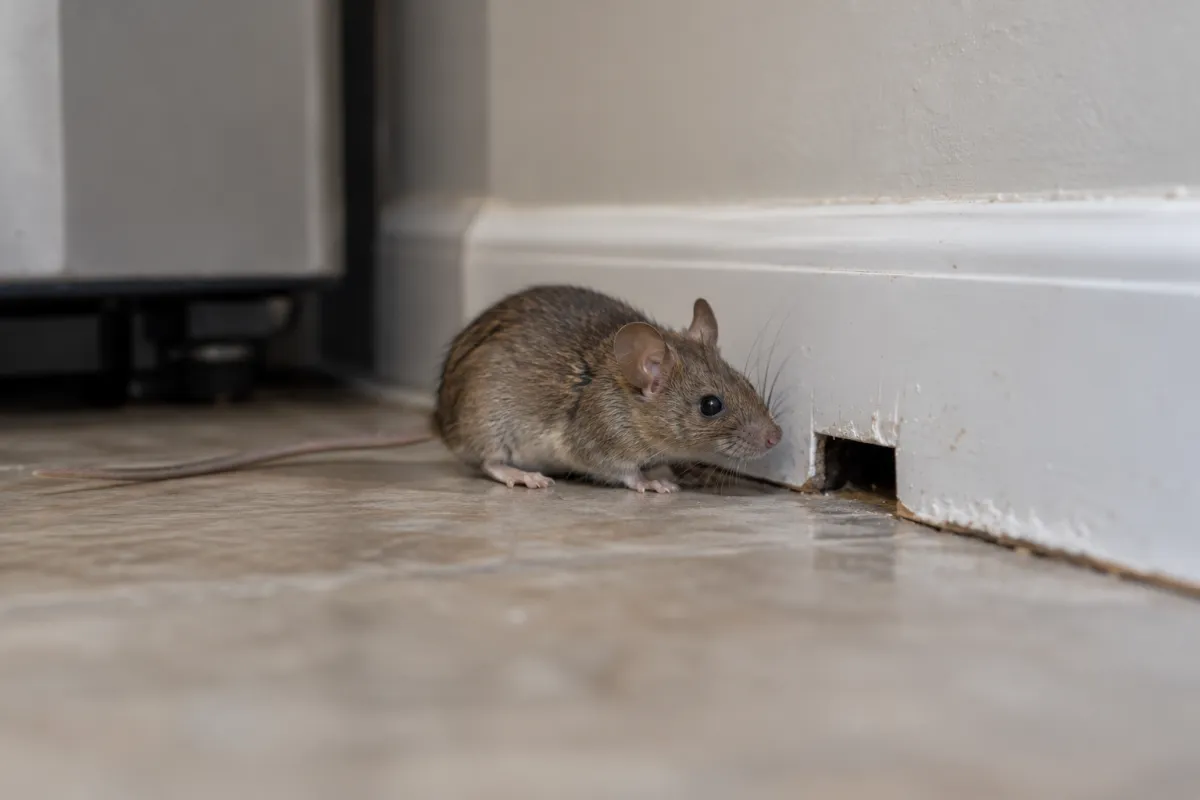
What mice look like
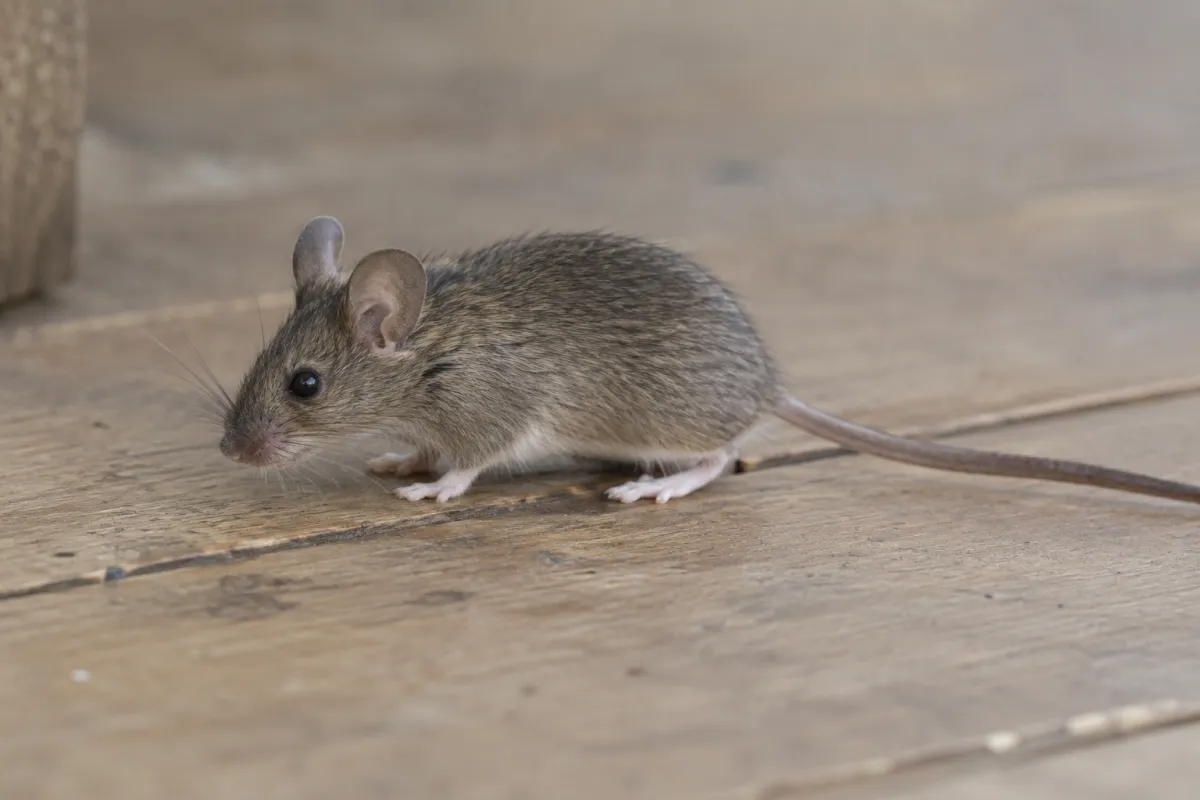
A house mouse is small and slim, with big rounded ears, a pointed snout and a thin tail about as long as its body. Its fur is a dull grey-brown, a touch paler on the belly. People sometimes take a young rat for a mouse, but a young rat's head and feet look too big for its body, and its tail is much thicker.
- Size
- Body 6–9 cm, plus a tail about as long
- Colour
- Grey-brown on top, a little paler underneath
- Breeding
- Usually 5–8 young a litter, several litters a year
- Lifespan
- Usually a year or less
- Most active
- At night, especially in the first hours after dark
Signs of mice
Small dark droppings
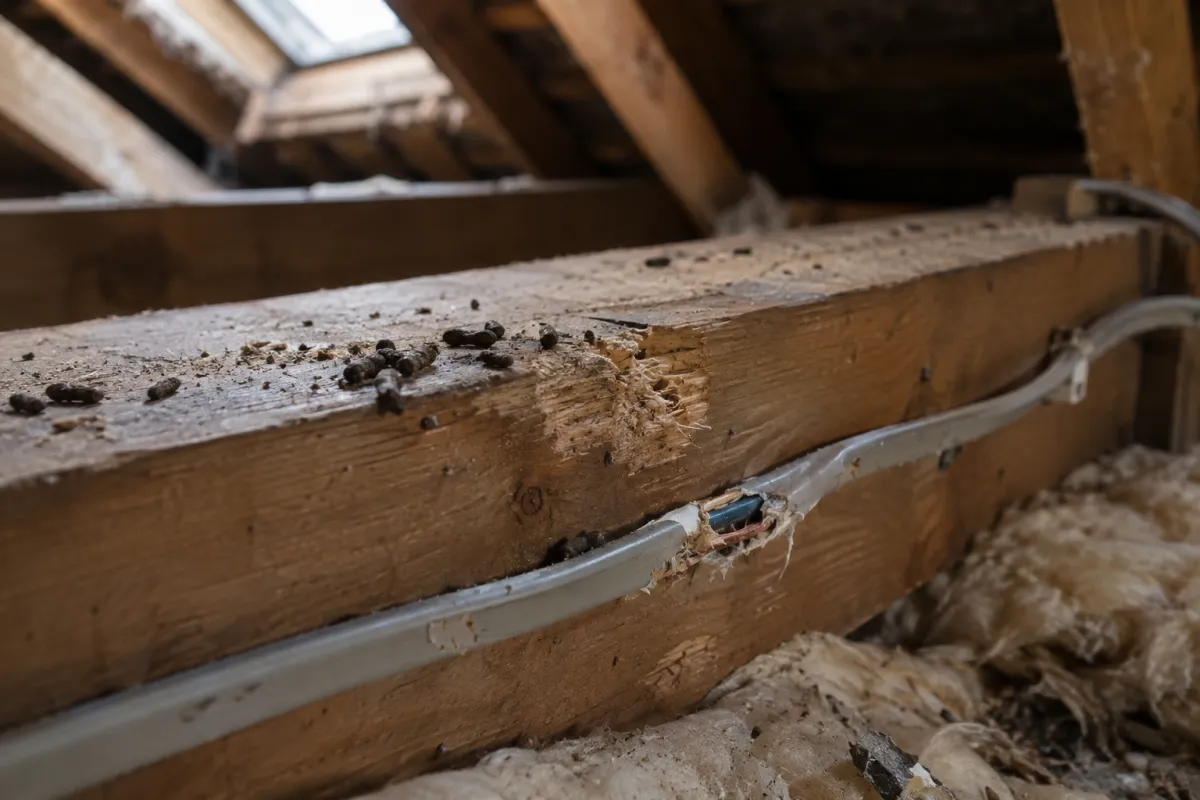
Black, rod-shaped droppings about 3–6 mm long, often along skirting boards, in cupboards and behind appliances. Fresh droppings are soft and shiny.
Gnawed food packets
Small, neat holes in cereal boxes, bags of rice or pet food, with crumbs left behind. Mice nibble at many foods rather than finishing one.
Scratching after dark
Light scratching or scurrying in ceilings, walls and under floors at night, when mice are most active.
Smear marks and smell
Greasy grey marks where mice brush along walls and pipes, and a stale, ammonia-like smell in enclosed spaces such as behind kitchen plinths.
Nests and chewed cables
Nests of shredded paper, fabric or loft insulation in warm, quiet spots, and gnawed wiring or woodwork nearby.
Life cycle and breeding
Mice breed quickly. A female can mate again within a day or so of giving birth, so two or three mice can become a sizeable family within a few months.
Pregnancy
Pregnancy lasts about three weeks. The female builds a soft nest close to food before she gives birth.
Newborns
A litter is usually 5–8 pups, born pink, blind and hairless. Their fur grows in over the first week and their eyes open at about two weeks.
Leaving the nest
At around three weeks they start feeding themselves, using the same routes as the adults.
Breeding age
Females can breed from about six weeks old. Most mice live a year or less, and they breed for most of that time.
Where mice live and how they get in
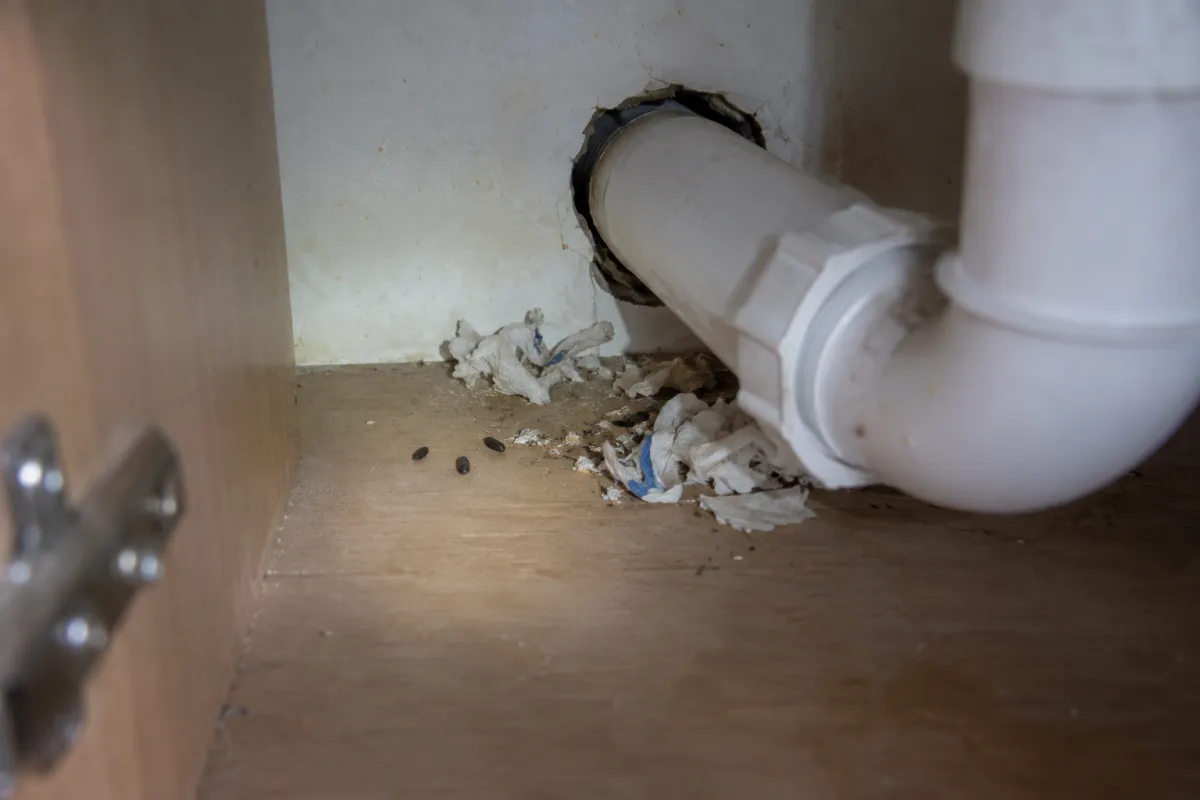
Indoors, mice pick warm, quiet spots you rarely look at: behind kitchen plinths, under floorboards, inside wall cavities, in boiler cupboards and lofts. They don't roam far from the nest, so the place you find droppings is usually close to where they live. Outside, they shelter in sheds, garages and compost bins, and move indoors as the weather turns.
- Through gaps where water, waste and gas pipes pass through the wall, especially behind the sink, washing machine and boiler.
- Under back doors and garage doors that don't sit tight to the floor.
- Through broken air bricks into the void under a timber floor, then up through gaps around pipes and skirting.
- Up rough brickwork and drainpipes to gaps at the eaves, as mice are good climbers.
- In boxes, bags of bird seed or old furniture brought in from a shed or garage.
Why it matters
In a home or rented flat
Mice contaminate worktops and stored food with droppings and urine, which can carry bacteria such as Salmonella. Their constant gnawing also damages cables, pipes and woodwork, and a problem in one home can spread to the next through shared voids.
For landlords and businesses
A single dropping in a kitchen, stockroom or display can lead to complaints, wasted stock and action by environmental health officers. For landlords, mice left untreated in one unit tend to spread into neighbouring units and common areas.
How mice control works
Finding the mice
We look for droppings, runs, gnaw marks and nests to confirm mice and judge the size of the problem. We also trace likely entry points around pipes, vents, doors and floor voids.
Baiting or trapping
Professional-use rodenticides are placed in secure bait stations out of reach of children and pets, or traps are used where poison is not suitable. Placement follows the routes the mice are using.
Proofing advice
We show you which gaps need sealing, such as holes around pipes packed with wire wool and cement, and strips fitted to the bottoms of doors.
Follow-up and prevention
Rodent treatments normally need follow-up visits to check bait take and confirm activity has stopped. We finish with advice on food storage and housekeeping to keep mice out.
What you can do yourself
Track their routes
Sprinkle a light dusting of flour or talc along the skirting overnight. Footprints in the morning show you which way they're running and where to put traps.
Set snap traps properly
Put several mouse-size snap traps a metre or two apart along those routes, at right angles to the wall with the trigger end against the skirting. Bait them with a pea-sized dab of peanut butter or chocolate spread. Glue traps can no longer be used by the public in England.
Bait boxes, not loose poison
If you use poison, buy only products sold for amateur use and follow the label exactly. Keep it inside a tamper-resistant bait box where children and pets can't reach it, and check it every few days.
Check and reset daily
Check traps every morning, wearing gloves. Bag any mice for your outside bin, then reset the trap in the same place until you've gone a week or so without a catch.
Prevention
- Seal gaps around pipes, cables and vents with wire wool and cement, as a mouse can squeeze through a hole the width of a pencil.
- Fit brush strips or metal kick plates to the bottoms of external and garage doors.
- Keep dry food, pet food and bird seed in sealed glass, metal or hard plastic containers.
- Clean behind cookers and fridges and under kitchen units, where crumbs build up out of sight.
- Clear clutter from lofts, cupboards and under-stairs storage so nesting spots are easier to find.
Mice are found all year, but most people notice them from autumn into winter, when they move indoors for warmth and food.
Common myths
Myth: Mice love cheese.
The truth: Not especially. They'd rather have cereals, seeds and anything sweet or fatty, which is why peanut butter makes a better bait.
Myth: I've only seen one, so there's only one.
The truth: Mice live in family groups and keep out of sight, mostly at night. If you've seen one, there are usually more nearby.
Myth: The cat will keep the mice away.
The truth: A cat might catch the odd one, but it can't get into the wall cavities and floor voids where mice nest. It won't clear a breeding population on its own.
Questions about mice
How do I know if I have mice or rats?
Droppings are the quickest guide. Mouse droppings are thin and about 3–6 mm long, while rat droppings are much larger at around 10–14 mm. Rats also leave bigger gnaw marks and often burrow outside, whereas mice usually stay inside the building.
Can mice come through from next door?
Yes. In terraced houses and blocks of flats, mice travel through shared lofts, floor voids, cavity walls and pipe runs. Treating one property without proofing the gaps between them often gives only a short break.
Are mouse baits safe around children and pets?
Professional-use rodenticides are placed inside secure bait stations, positioned where children and pets cannot reach them. Tell us about pets and young children before the visit so placement can be planned around them.
Do plug-in ultrasonic repellers get rid of mice?
There is little good evidence that ultrasonic devices clear an established mouse problem. Mice often get used to the sound, and they will not leave a building that still offers food, warmth and easy access.
Further reading
- How to get rid of miceGuide
- How to get rid of mice, step by stepGuide
- Cleaning up safely after miceIn depth · 4 min read
- Mice in walls, lofts and under floorsIn depth · 4 min read
- Signs of mice in your home and what to do nextAdvice · 4 min read
- Rats or mice? How to tell which you haveAdvice · 4 min read
- Keeping mice and rats out this winterAdvice · 3 min read
Related services
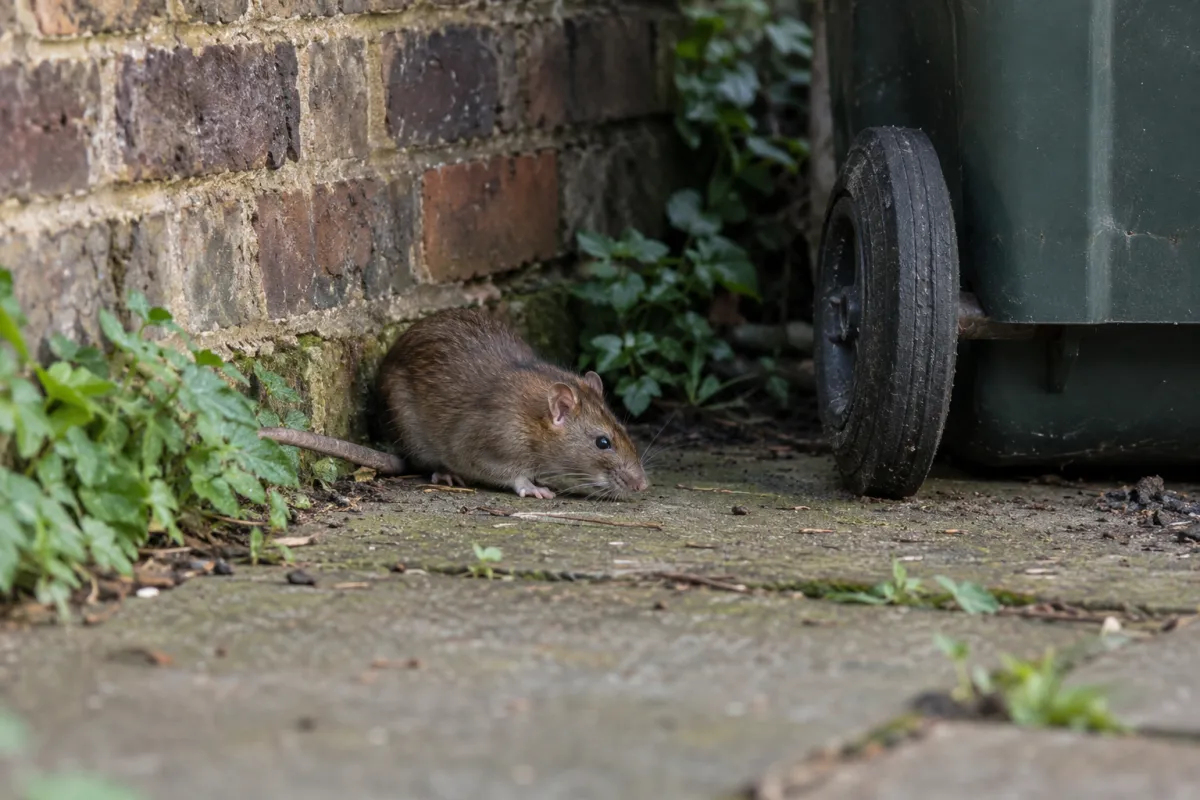 Rat controlTreat brown rats in and around buildings, and find the drain defects or gaps that let them in.
 Rodent controlNot sure if it is rats or mice? We identify the rodent first, then treat and proof the building.
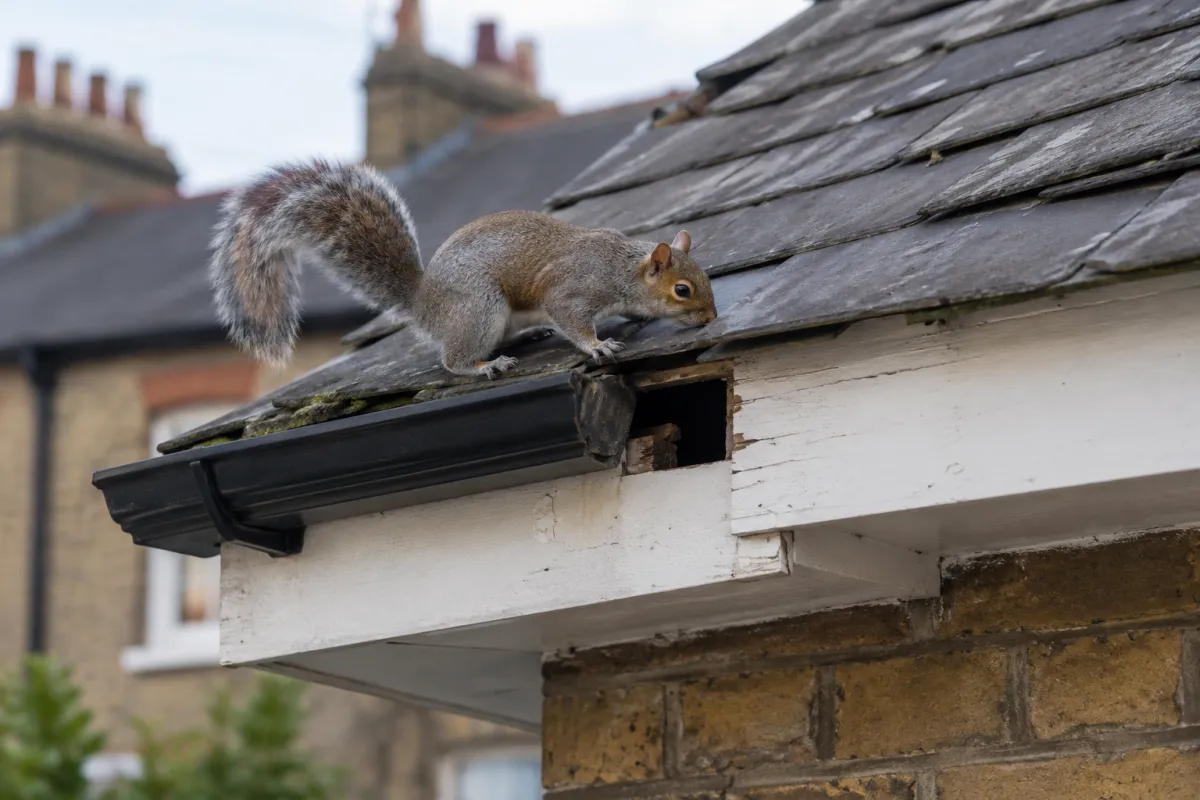 Squirrel controlSurvey and advice for grey squirrels in lofts, roofs and eaves, with a plan to stop the damage.
Let’s talk about the problem.
Tell us what you’ve seen, the property type and your postcode.