Flea treatment in East London
Most flea problems in homes come from the cat flea, which also bites dogs and people. Adult fleas are only part of the picture, as eggs, larvae and pupae build up in carpets, furniture and pet bedding. We assess the problem, treat the affected areas of the property and explain how to prepare and what to expect afterwards.
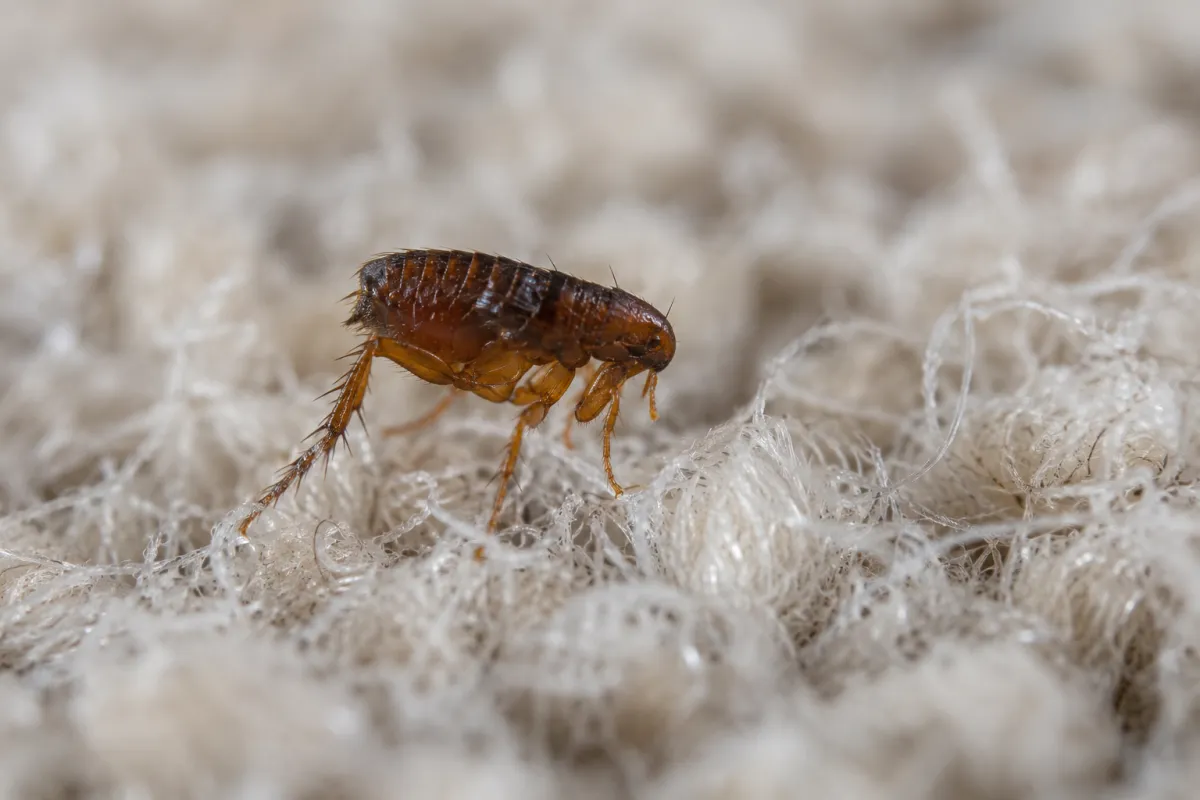
What fleas look like
Fleas are tiny, dark reddish-brown and flattened from side to side, which lets them slip through fur. They have no wings but long back legs, so you'll usually see one jump rather than crawl. A bed bug is the opposite: flat from top to bottom, rounder, and it can only crawl.
- Size
- Adults about 2–3 mm, smaller than a sesame seed
- Colour
- Dark reddish-brown and shiny
- Breeding
- Up to around 40 eggs a day once on a pet
- Lifespan
- Adults weeks to months; cocoons can wait months
- Hides in
- Carpets, pet beds, sofas and floorboard gaps
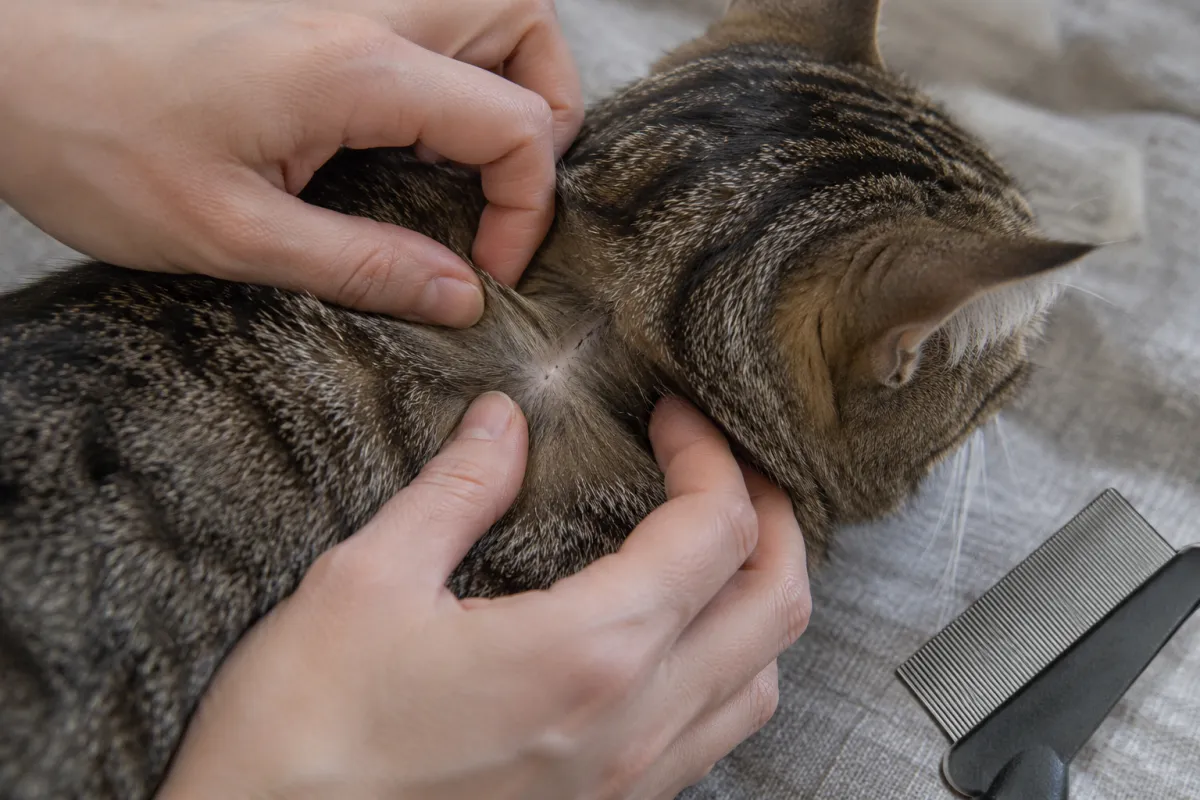
Signs of fleas
Bites on ankles
Small, itchy red spots, often in groups on the ankles and lower legs, where fleas jump up from the floor.
Pets scratching
Cats or dogs scratching, biting at their fur or losing hair, particularly around the neck and the base of the tail.
Flea dirt
Black specks in pet bedding or fur that turn reddish-brown on damp white paper, because they contain digested blood.
Jumping insects
Tiny dark brown insects around 2–3 mm long that jump onto pale socks or trousers as you walk across a carpet.
Bites after moving in
A sudden burst of bites after moving into a home that stood empty, as dormant fleas emerge when they sense movement.
Life cycle and breeding
A flea on your pet starts laying within a day or two of its first meal, and the eggs drop off wherever the pet goes. In a warm home the whole cycle can take as little as two to three weeks, so numbers seem to appear all at once.
Egg
Tiny white eggs fall off your pet onto carpets, bedding and sofas. They usually hatch within a few days, or up to around ten in a cooler room.
Larva
Small, pale, bristly grubs burrow down into carpet pile and cracks, away from light. They feed on flea dirt and other debris for usually one to three weeks.
Pupa
Each larva spins a sticky cocoon that picks up dust and fibres as camouflage. The adult can wait inside for months until it senses warmth or movement.
Adult
A new adult jumps onto the first warm body it finds and starts feeding within minutes. Cat fleas prefer cats and dogs, but will bite people when there's no pet about.
Where fleas live and how they get in
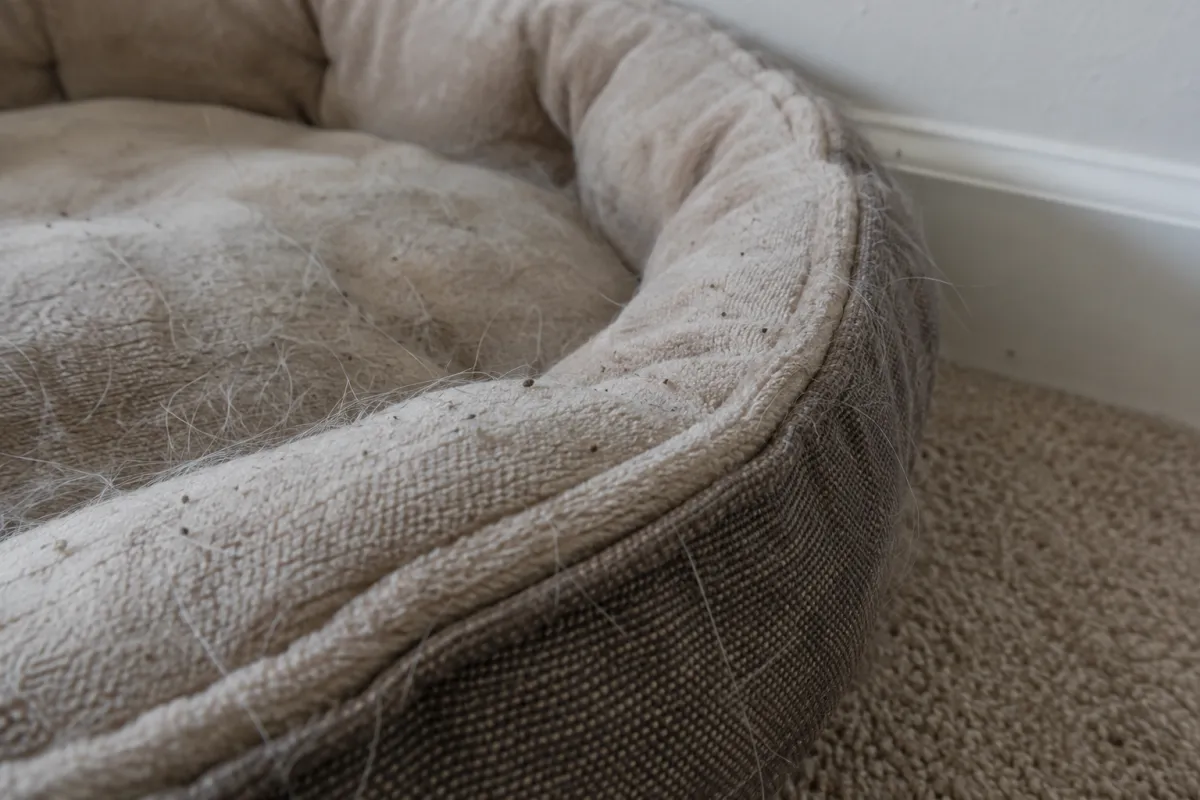
On a pet, fleas gather at the neck, the base of the tail and the belly. In the home, eggs fall wherever your pet sleeps and rests, so the young end up in pet beds, the sofa, under the bed, along skirting boards and down the gaps between floorboards. Outside, they survive in shady, sheltered spots where cats and foxes lie up.
- On your own cat or dog, picked up from shady spots outdoors where other animals rest.
- Waiting as dormant cocoons in a home where the last occupants kept pets.
- On a visiting pet, or your own pet coming back from a stay elsewhere.
- From birds nesting in the eaves, or wildlife sheltering under decking and sheds.
Why it matters
In a home or rented flat
Flea bites are itchy and can cause skin reactions, and some people react strongly. Fleas also affect pets, and can pass tapeworm to cats and dogs.
For landlords and businesses
For landlords, fleas left by a previous tenant's pets can cause complaints as soon as new occupants move in. Hotels, hostels and care settings also need to act promptly to protect residents and their reputation.
How flea treatment works
Assessing the problem
We confirm fleas are behind the bites and work out which rooms, furniture and outdoor areas are affected.
Preparing your home
Before the visit, vacuum floors, furniture and pet bedding thoroughly, clear the floor and move furniture away from walls so every area can be reached.
Insecticide treatment
Professional-use insecticide is sprayed over the affected carpets, floors and soft furnishings, reaching the places where larvae develop.
Aftercare and prevention
Leave treated carpets unvacuumed for the time we advise, then vacuum often, as this brings new fleas out to contact the treatment. Pets need treating at the same time, following your vet's advice.
What you can do yourself
Check with a flea comb
Comb your pet over a pale towel, working through the neck and the base of the tail. Dip the comb in soapy water as you go, so any fleas you catch can't jump off.
Get the right pet product
Ask your vet which product suits each animal, and treat them all on the same day. Never use a dog flea treatment on a cat, as some are poisonous to cats.
Use a household spray carefully
A household flea spray with an insect growth regulator stops larvae growing into adults. Follow the label exactly, keep people and pets out until it's dry, and cover or move fish tanks.
Keep pets to fewer rooms
For a few weeks, keep pets off beds and out of bedrooms. Eggs then build up in fewer places, which makes cleaning and treatment easier.
Prevention
- Treat every pet in the household regularly with a product recommended by your vet.
- Wash pet bedding on a hot cycle often, or replace it.
- Vacuum carpets, rugs, sofas and along skirting boards regularly, and empty the vacuum outside.
- Landlords should arrange a check between tenancies where the previous occupants kept pets.
- Discourage stray cats and wildlife from sheltering under decking and sheds close to the house.
Fleas are found all year in centrally heated homes, but numbers usually rise in late summer and early autumn.
Common myths
Myth: My cat never goes out, so it can't have fleas.
The truth: Fleas can come in on other pets or visiting animals, or be waiting in the carpet from before. Indoor cats need protecting too.
Myth: Fleas die off in the winter.
The truth: Outdoors they slow down, but central heating keeps them breeding indoors all year round.
Myth: Once the pet's treated, the fleas will go.
The truth: Treating your pet kills the fleas that land on it, but eggs, larvae and cocoons in the home keep hatching for weeks. The home usually needs treating too.
Questions about fleas
Why am I still seeing fleas after treatment?
Flea pupae are protected by a cocoon, so the treatment only reaches them once the adult emerges. New adults can keep appearing for several weeks, but they die after contact with the treated surfaces, and regular vacuuming speeds this up.
Can I have fleas without a pet?
Yes. Fleas can survive as dormant pupae for months in an empty property and emerge when new occupants move in. They can also come from a previous owner's pets, visiting animals or birds nesting in the eaves.
Do fleas live on people?
Cat fleas bite people but do not live on them. They feed and then drop off, returning to carpets, bedding and furniture, which is why treating the home matters as much as treating pets.
Are flea bites dangerous?
For most people they are a nuisance rather than a danger, causing itchy red spots. Some people have stronger allergic reactions, and scratching can lead to infection, so ask a pharmacist or GP if bites become inflamed.
Further reading
Related services
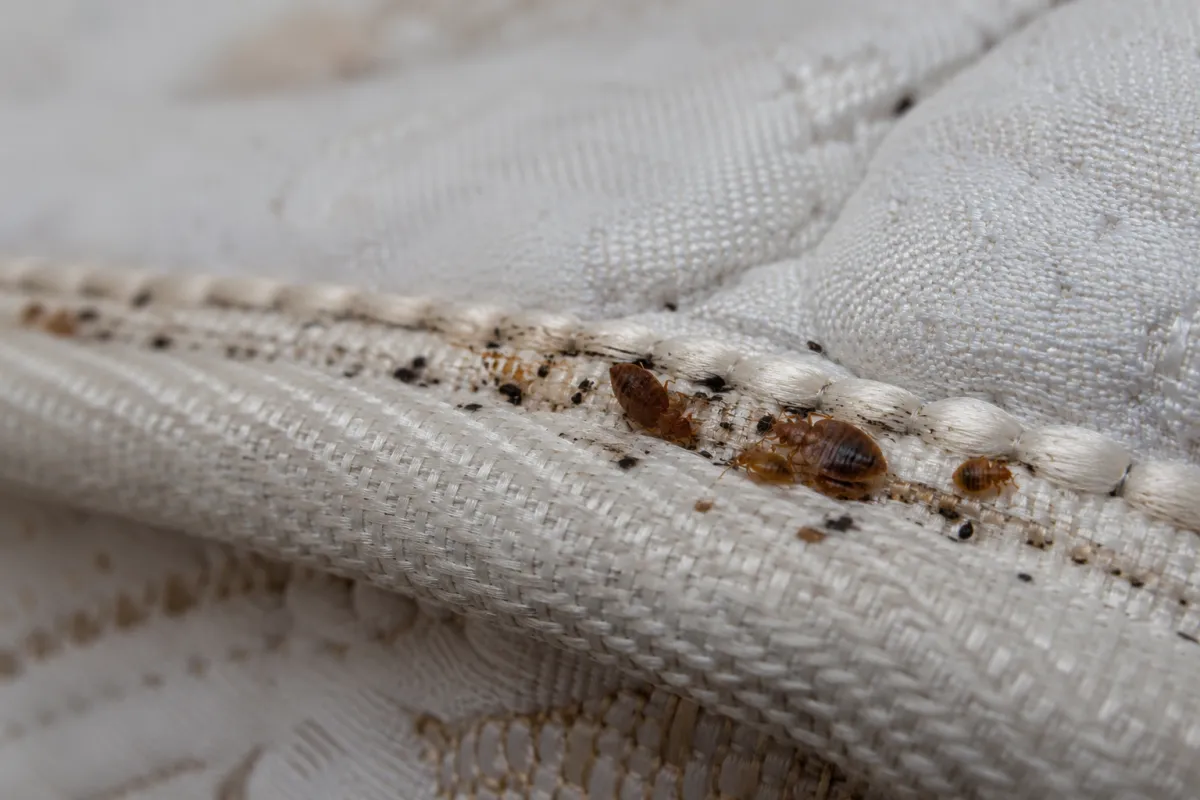 Bed bug treatmentInspection and treatment for bed bugs in homes, rented rooms and accommodation, with clear preparation advice.
 Mite controlIdentify flour, bird and clover mites and other stored product pests, then deal with the source.
 Moth controlSurvey and treatment for clothes moths and food moths in carpets, wardrobes and stored goods.
Let’s talk about the problem.
Tell us what you’ve seen, the property type and your postcode.