Bed bug treatment in East London
Bed bugs hide in mattress seams, bed frames and furniture close to where people sleep, and they spread easily in luggage, furniture and clothing. Treating them yourself rarely works, because bugs and eggs sit deep in cracks and crevices. We inspect thoroughly, tell you exactly how to prepare, and treat the places where they are living.
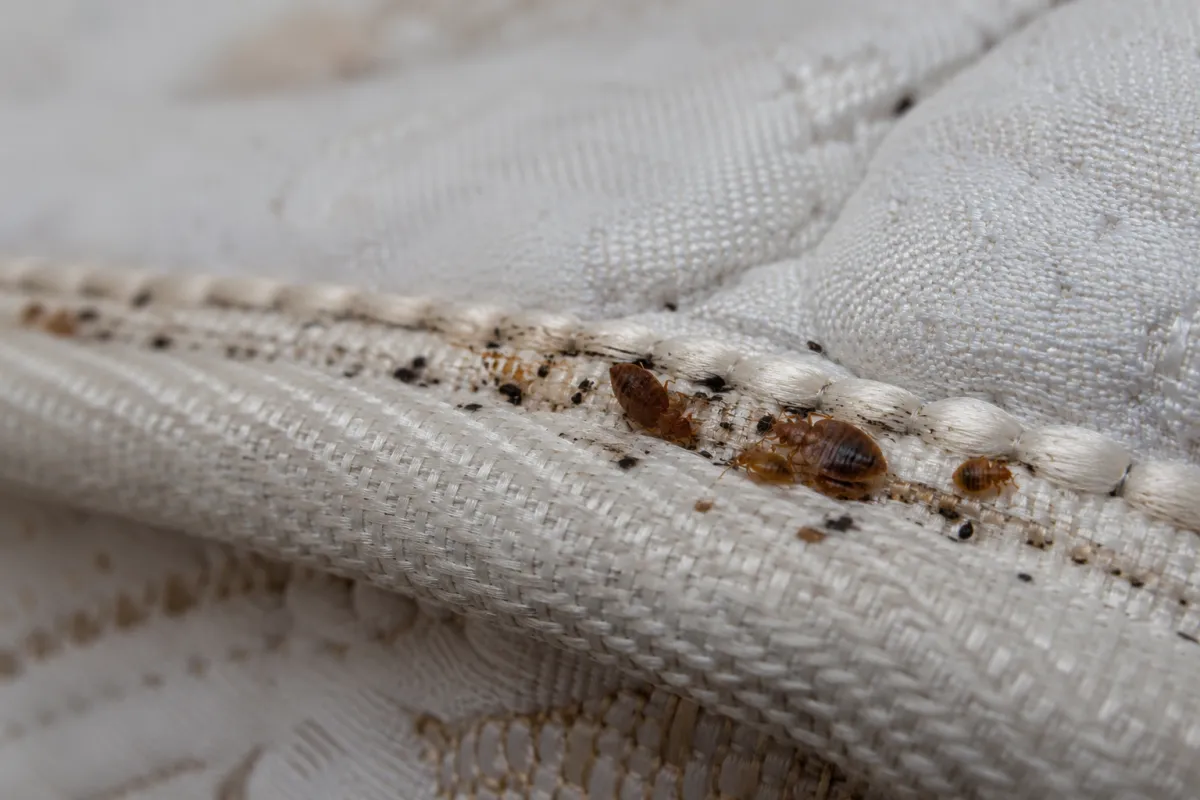
What bed bugs look like
An adult bed bug is flat, oval and wingless, and after a feed it swells up longer and darker red. Young ones are smaller and pale, almost see-through until they've eaten. People often mix them up with carpet beetles, but those are rounder, with a hard, mottled shell of brown, white and yellow, and they don't feed on blood.
- Size
- Adults about 5 mm, the size of an apple pip
- Colour
- Reddish-brown; young ones pale until fed
- Lifespan
- Usually several months, sometimes a year
- Breeding
- A few eggs a day, a few hundred in a lifetime
- Most active
- At night, mostly in the hours before dawn
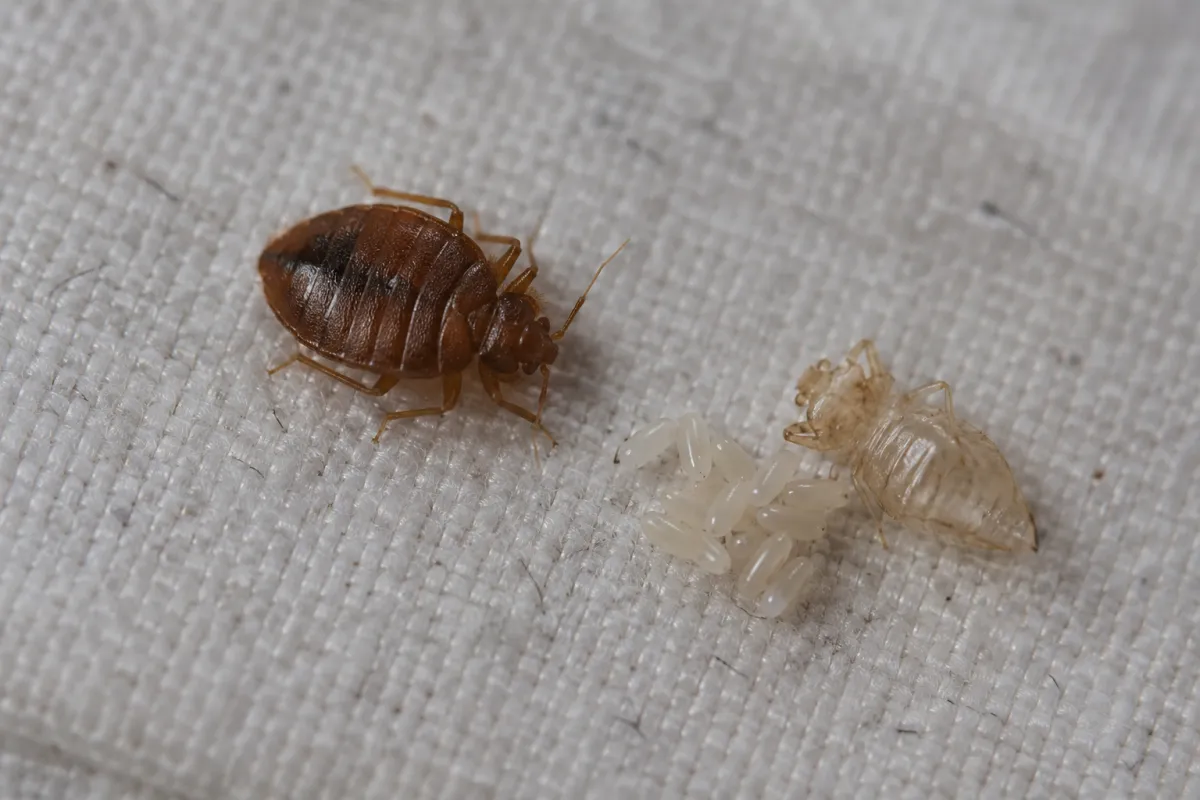
Signs of bed bugs
Bites in rows
Itchy red bites on skin exposed during sleep, often in lines or small clusters. Bites alone cannot confirm bed bugs, as reactions vary and some people show none.
Dark spots
Small black or brown spots of digested blood on mattress seams, bed frames, headboards and nearby walls.
Marks on sheets
Tiny rust-coloured smears on sheets or pillowcases where a bug has been crushed after feeding.
Shed skins and eggs
Pale, empty skins and white eggs about 1 mm long tucked into seams, joints and screw holes.
Live bugs
Flat, oval, reddish-brown insects about 5 mm long, similar in size to an apple seed, hiding in folds and crevices.
Life cycle and breeding
Once she's fed, a female lays a few eggs most days, so numbers creep up slowly and then all at once. At normal room temperature an egg can become a breeding adult in around five to eight weeks.
Egg
Pearly white, about 1 mm long and glued into seams and cracks. They usually hatch in around one to two weeks.
Nymph
The young need a blood meal before each of their five moults. They leave a pale shed skin behind every time.
Adult
Adults feed every few days when they can and live for months. They can also go several months without a meal, longer in a cool room.
Where bed bugs live and how they get in
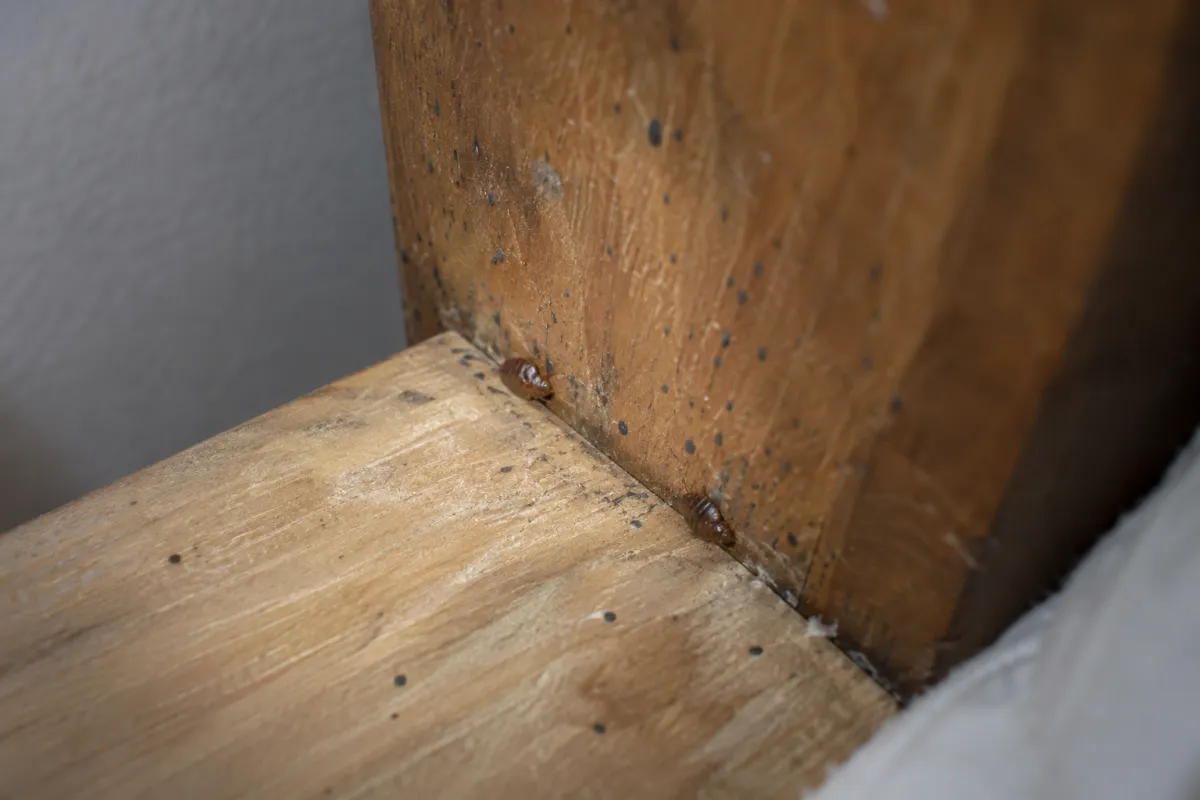
Bed bugs like to stay close to where you sleep, usually within a couple of metres of the bed. Beyond the mattress and frame, they tuck in behind skirting boards, under loose wallpaper, behind plug socket covers and in the sofa if someone naps there. A tidy new-build flat suits them as well as an old terrace, as long as someone sleeps there.
- In suitcases and bags after a stay in a hotel, hostel or short let.
- In second-hand beds, sofas, headboards and bedside tables.
- On coats, bags and clothing carried home from somewhere that has them.
- Through gaps around pipes and cables, or under skirting, from the flat next door.
Why it matters
In a home or rented flat
Bed bug bites can cause itching, skin reactions and disturbed sleep, and the stress of an infestation is often the hardest part. Bed bugs are not known to spread disease, but they multiply steadily and move easily between rooms and neighbouring flats.
For landlords and businesses
For landlords, hotels and hostels, one infested room can spread to others through shared walls, furniture and linen moved by staff. Complaints and reviews that mention bed bugs can do lasting damage to a business.
How bed bug treatment works
Thorough inspection
We check mattresses, bed frames, headboards, furniture, skirting and electrical fittings near sleeping areas to confirm bed bugs and see how far they have spread.
Preparation plan
You get clear instructions before treatment, such as washing bedding on a hot cycle, bagging clothes and clearing clutter, because preparation affects how well treatment works.
Insecticide treatment
Professional-use insecticide is applied to the seams, joints, cracks and crevices where bed bugs and their eggs are hiding.
Follow-up and prevention
Eggs can survive an initial treatment, so a follow-up visit may be needed to deal with newly hatched bugs. We also advise on checking luggage and second-hand furniture.
What you can do yourself
Stay in your own bed
Keep sleeping where you normally do. If you move to the sofa or a spare room, the bugs follow and you end up with two problem rooms. Don't move furniture or bedding out of the room either.
Vacuum the seams
Run a crevice tool along mattress seams, the bed frame and the skirting. Then seal the vacuum bag, or empty the canister into a tied bag, and put it in the outside bin.
Skip the bug bombs
Foggers and bug bombs don't reach bugs deep in cracks. They tend to scatter them into other rooms and next door, which makes the job bigger.
Keep a sample
If you catch one, stick it to clear tape or seal it in a small bag. It helps confirm what you're dealing with.
Prevention
- Check the mattress seams, headboard and bed frame when staying in hotels, hostels or short lets, and keep luggage off the floor and bed.
- Inspect second-hand beds, sofas and upholstered furniture carefully before bringing them indoors.
- Wash clothes and bedding from trips on a hot cycle, or tumble dry them on a high heat.
- Fit zipped encasements to mattresses and divan bases to remove hiding places and make checks easier.
- Keep the space under and around beds clear of clutter, where bed bugs can hide undisturbed.
Bed bugs are active all year in heated buildings, though more cases are often reported in late summer and autumn after holiday travel.
Common myths
Myth: Bed bugs can fly or jump.
The truth: They can't do either. They only crawl, though quicker than you'd expect, and they get about by riding in bags, clothes and furniture.
Myth: Leave the flat empty for a few weeks and they'll starve.
The truth: Adults can go several months without a meal, longer in a cold, empty room. Leaving a place empty rarely clears them.
Myth: Leave the light on and they won't bite.
The truth: They prefer the early hours, but a hungry bed bug will feed in daylight if you're sitting or lying still. A light won't keep them away.
Questions about bed bugs
How do I check for bed bugs?
Strip the bed and look along the mattress seams, piping and labels, the corners of the base and the joints of the bed frame. Use a torch to look for live bugs, pale shed skins and small dark spots. Check the headboard and any furniture beside the bed too.
Can I get rid of bed bugs myself?
It is difficult. Shop-bought sprays rarely reach bugs and eggs hidden deep in crevices, and they can drive bugs into other rooms. Professional treatment combined with careful preparation gives the best chance of clearing them.
Should I throw my mattress away?
Not before an inspection. Carrying an infested mattress through a home or shared building can scatter bugs along the way. If you do get rid of one, wrap it fully in plastic first.
Do bed bugs mean my home is dirty?
No. Bed bugs feed on blood, not dirt or food, and they turn up in clean homes, hotels and offices alike. They are usually carried in on luggage, clothing or second-hand furniture.
Further reading
Related services
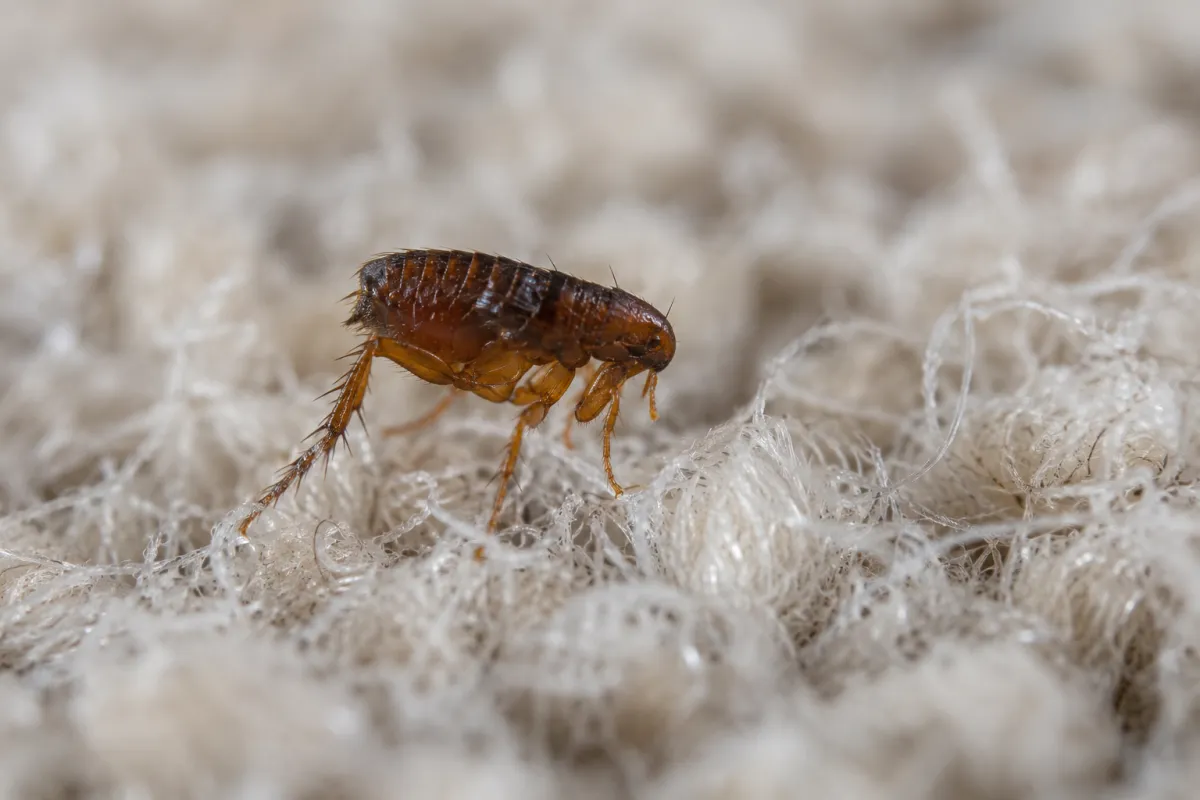 Flea treatmentTreatment for fleas in carpets, furniture and bedding, with pet care and preparation advice.
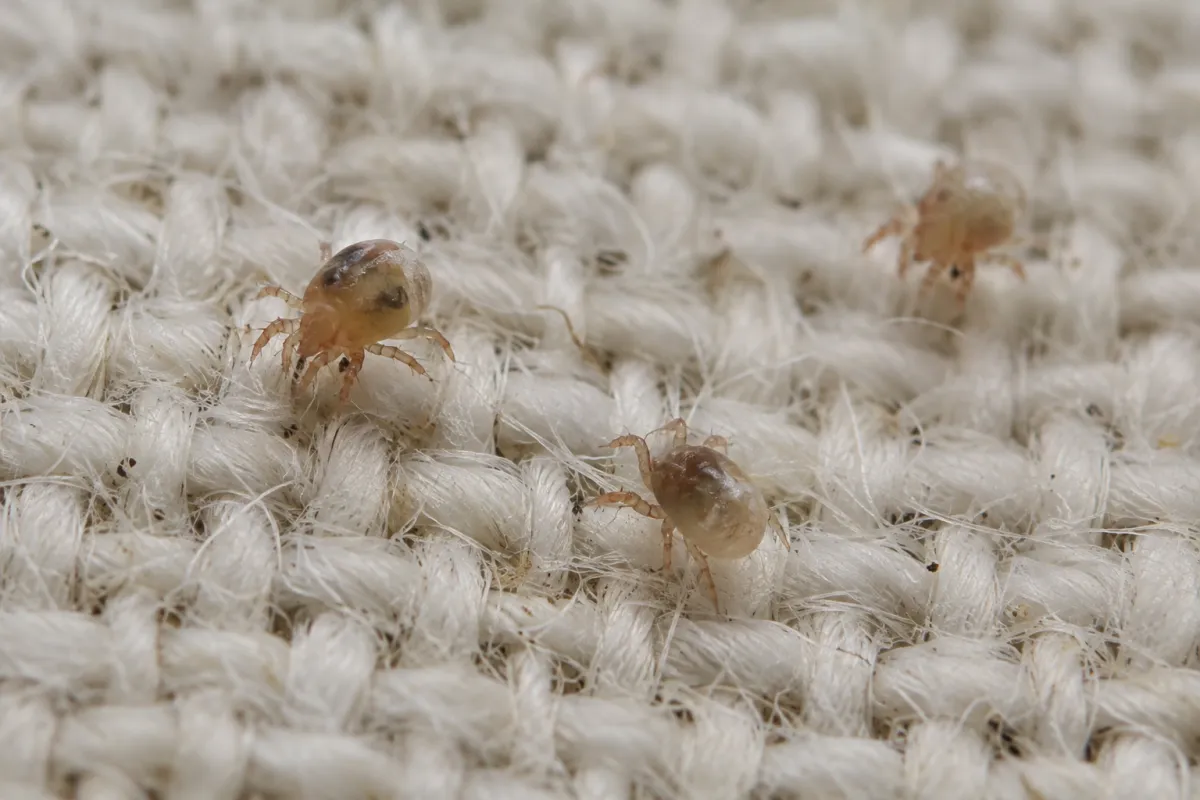 Mite controlIdentify flour, bird and clover mites and other stored product pests, then deal with the source.
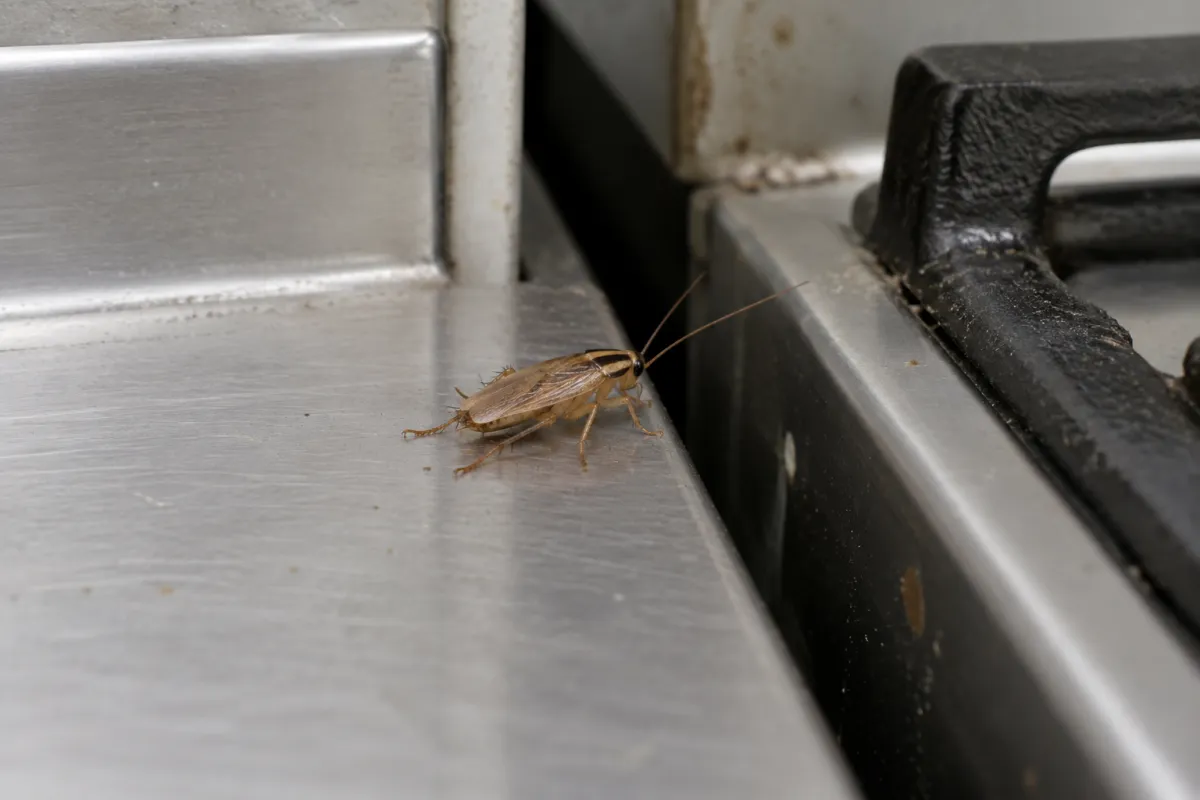 Cockroach controlIdentify and treat German and Oriental cockroaches in kitchens, flats, blocks and food premises.
Let’s talk about the problem.
Tell us what you’ve seen, the property type and your postcode.