Get to know your pest
Short guides to the pests we see most across East London. Open a guide for the detail, or see how treatment works and find local help.
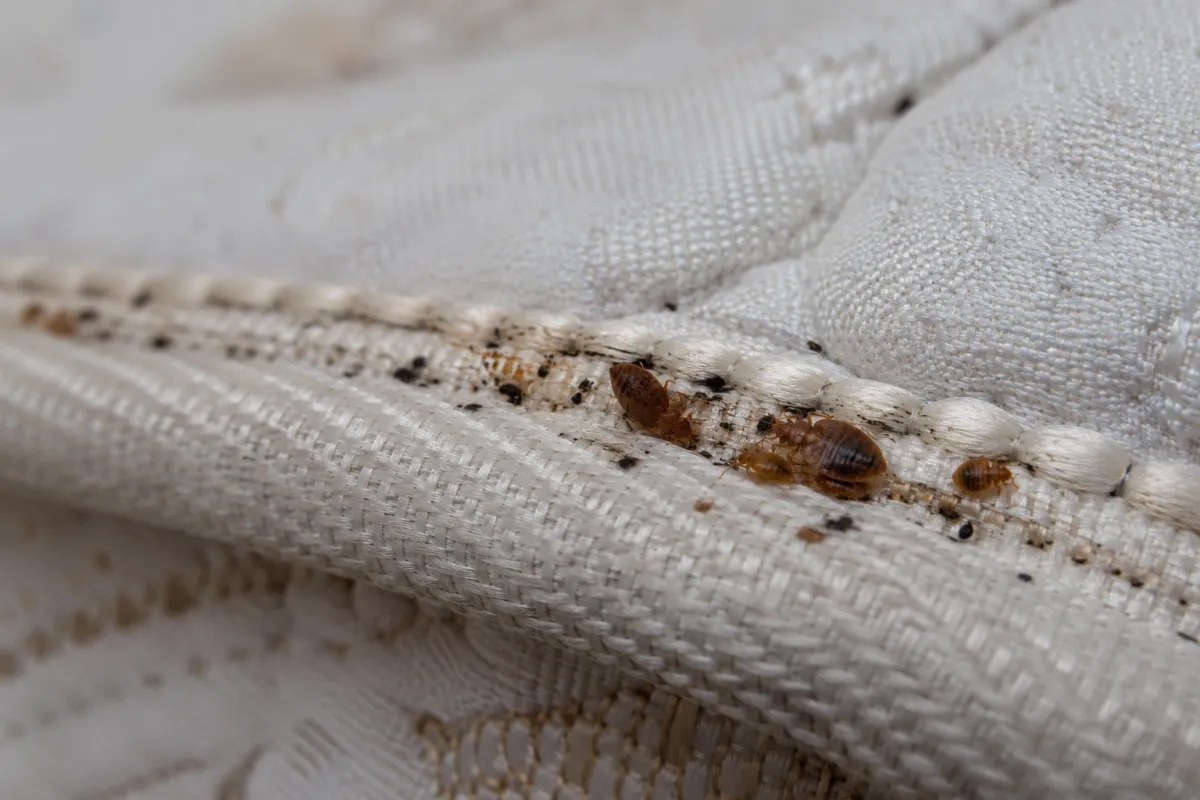
Bed bug treatment
Bed bugs are hard to control. It is best not to try to treat the problem yourself, as this often does not work. We offer professional treatment for bed bugs. We will tell you exactly what you need to do before the treatment, and you must follow this advice so that the treatment can work as well as possible. One treatment is usually enough. When we finish the treatment, we will explain what we have done and tell you what you need to do to stop the problem in the future.
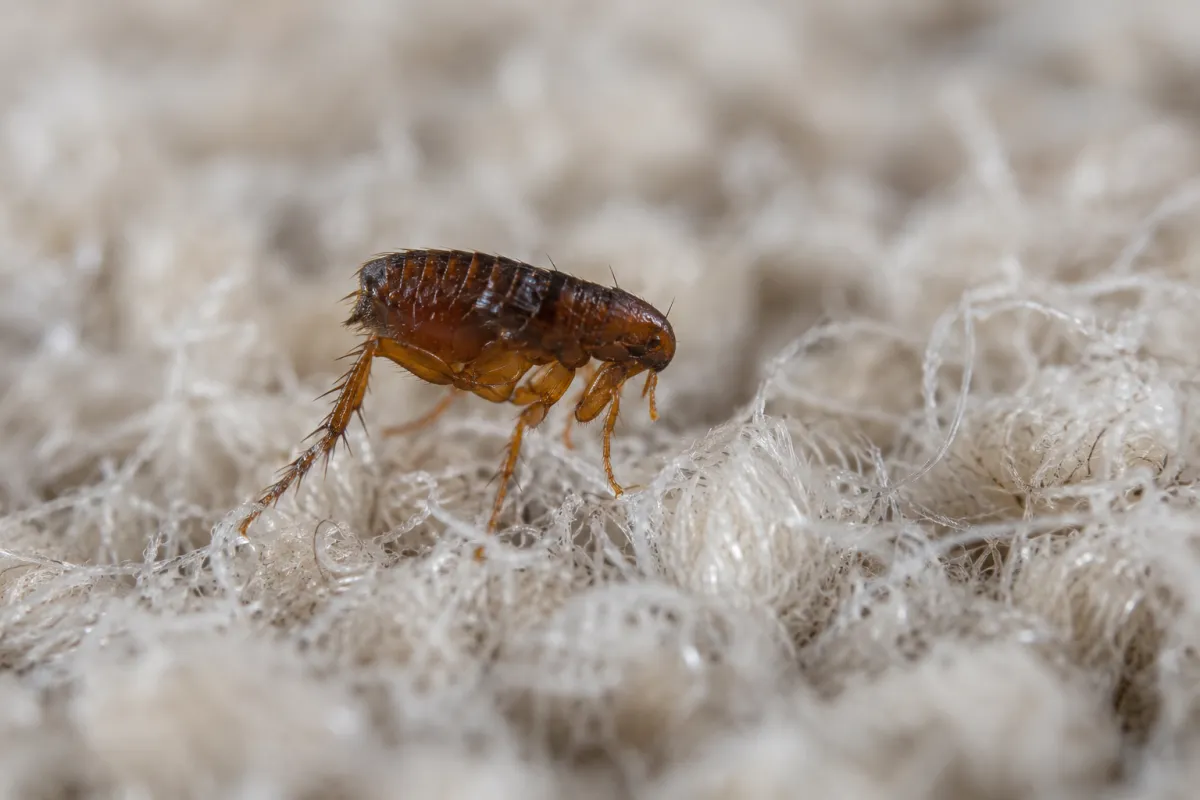
Flea treatment
Fleas live on the blood of warm-blooded animals. There are many types of flea, and each prefers its own animal ‘host’, but they will feed on other types of animal, including humans. The human flea and the dog flea are now rare in this country, and we are usually bitten by cat fleas.
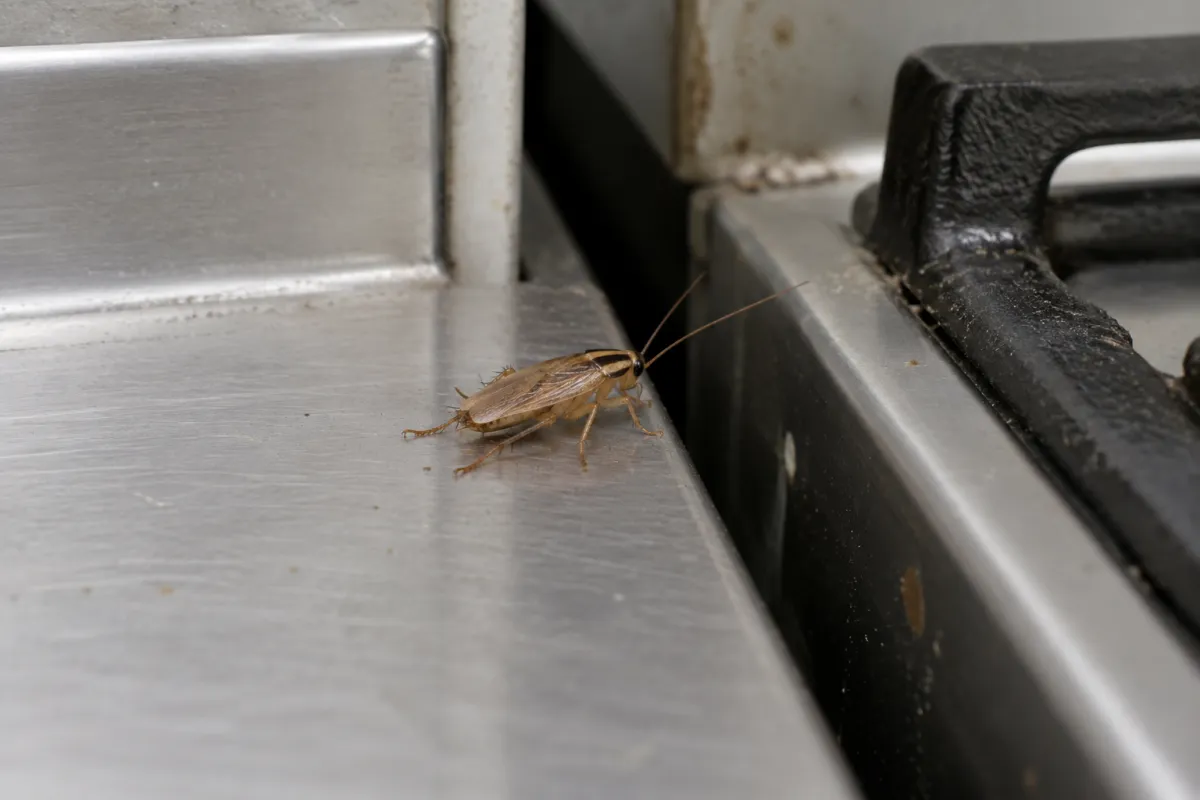
German cockroach infestation
There are two types of cockroach commonly found in Britain: the German cockroach and the Oriental cockroach. Both are pests. Cockroaches can spread disease by infecting our food and coming into contact with worktops and kitchen utensils. They eat our food but spoil much more with their droppings, cast skins and dead bodies. They breed and spread quickly.
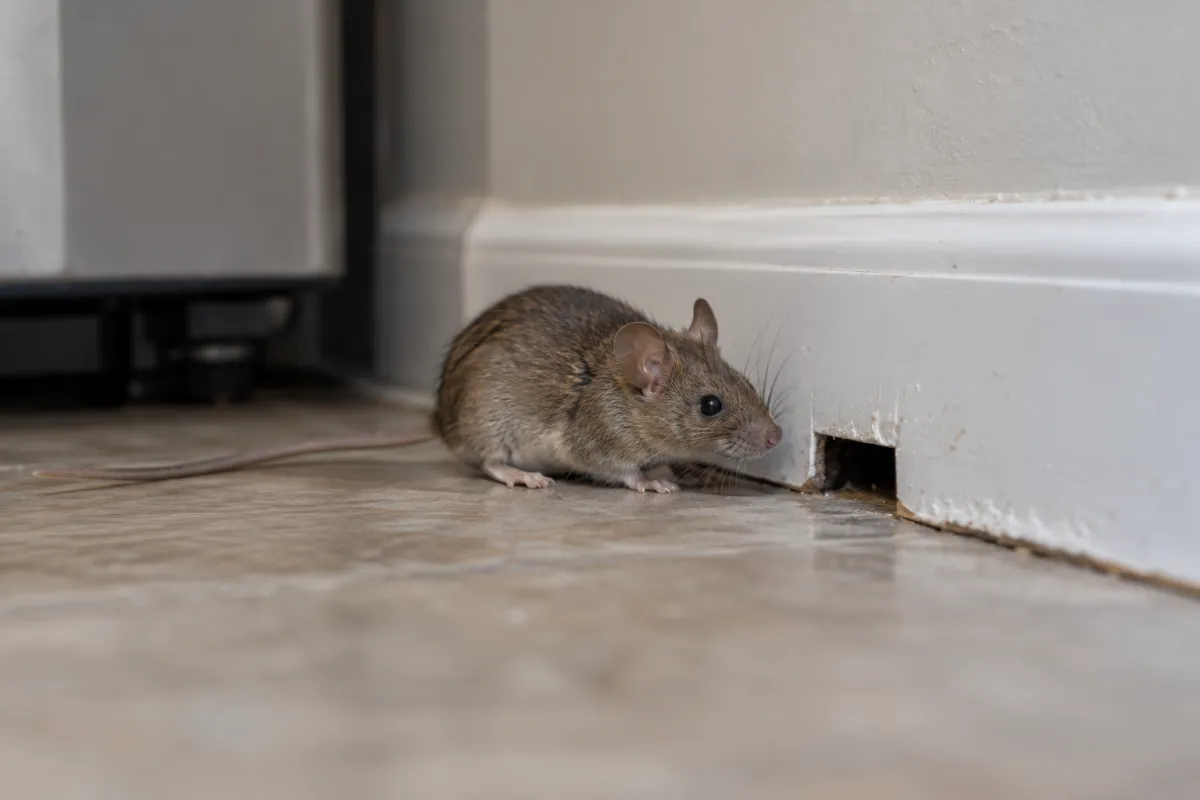
Mice control
Mice pose a significant health risk because they may carry a number of serious diseases that can be transmitted to humans. The most serious of these are Salmonella food poisoning and toxoplasmosis. Mice also infest and contaminate food with urine and droppings, and they can cause minor damage to buildings through their habit of gnawing.
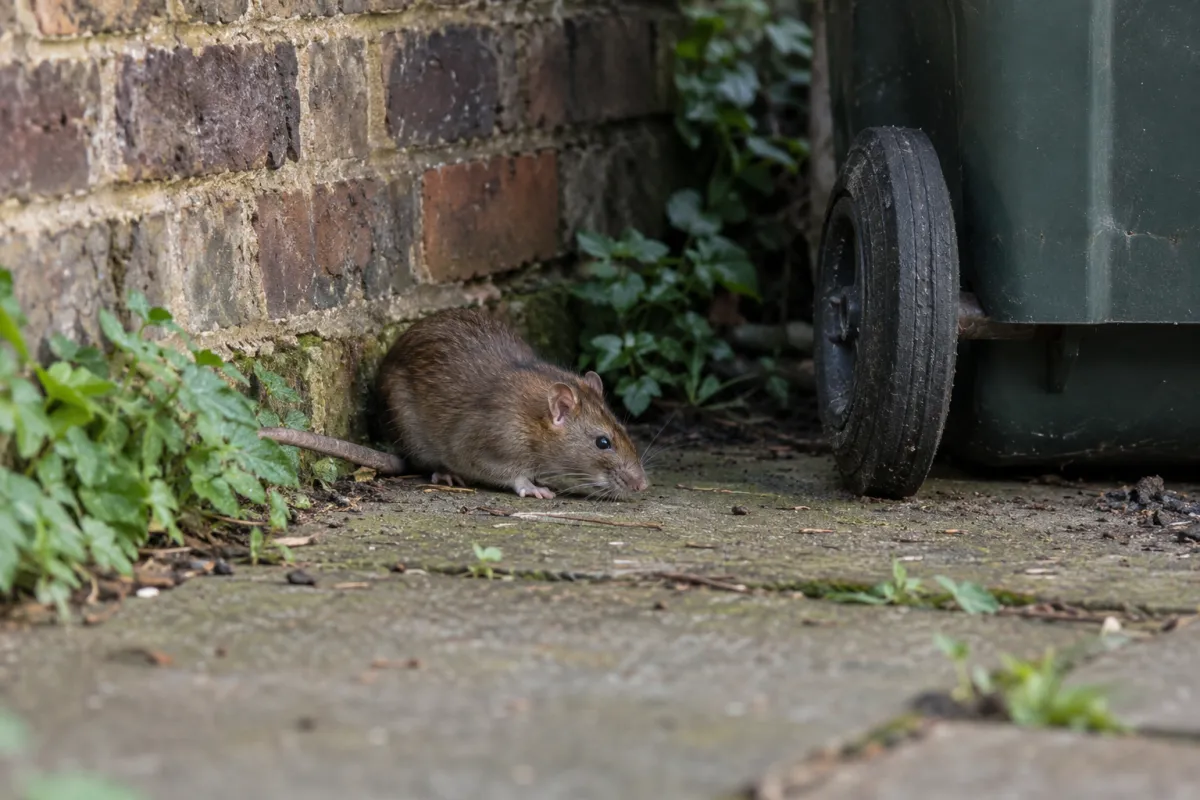
Rat control
Rats pose a significant health risk; they can carry a range of serious diseases that can be transmitted to humans. The most serious of these are Weil's disease, plague, Salmonella food poisoning and toxoplasmosis. Rats also infest and contaminate food with urine and droppings, and they can cause structural damage to buildings by gnawing through timbers, pipes, cables and other building fabric.
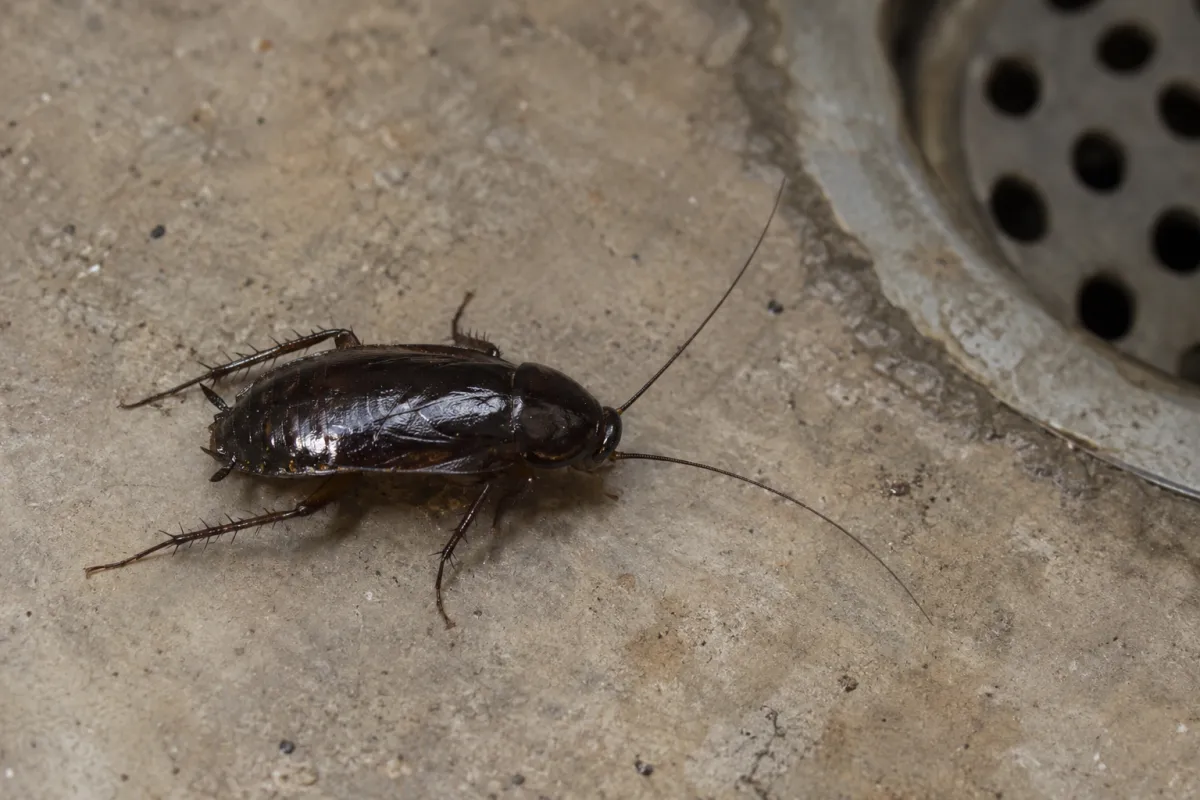
American cockroach infestation
Cockroaches pose a health risk because they can infect foodstuffs with a range of diseases, such as food poisoning, dysentery, typhoid and polio. Apart from carrying disease, they also make food inedible by transferring dirt and filth from their bodies and feet onto food and food preparation surfaces.
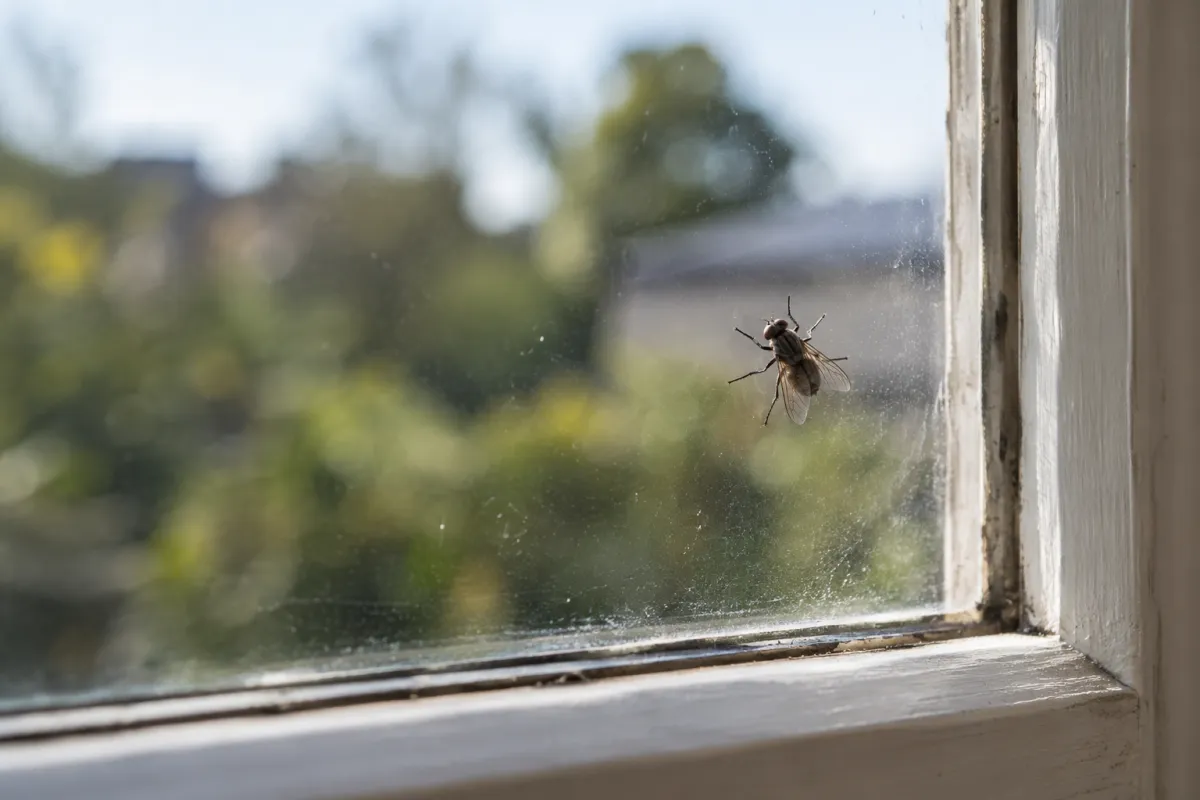
Fly control
Apart from the biting flies, all species feed by vomiting saliva onto the food surface and sucking up the resulting liquid. In doing so, the fly contaminates the food with bacteria from its gut and its feet. As a result, it may transmit food poisoning, dysentery, typhoid or cholera in countries where these occur. Flies may also carry the eggs of parasitic worms.
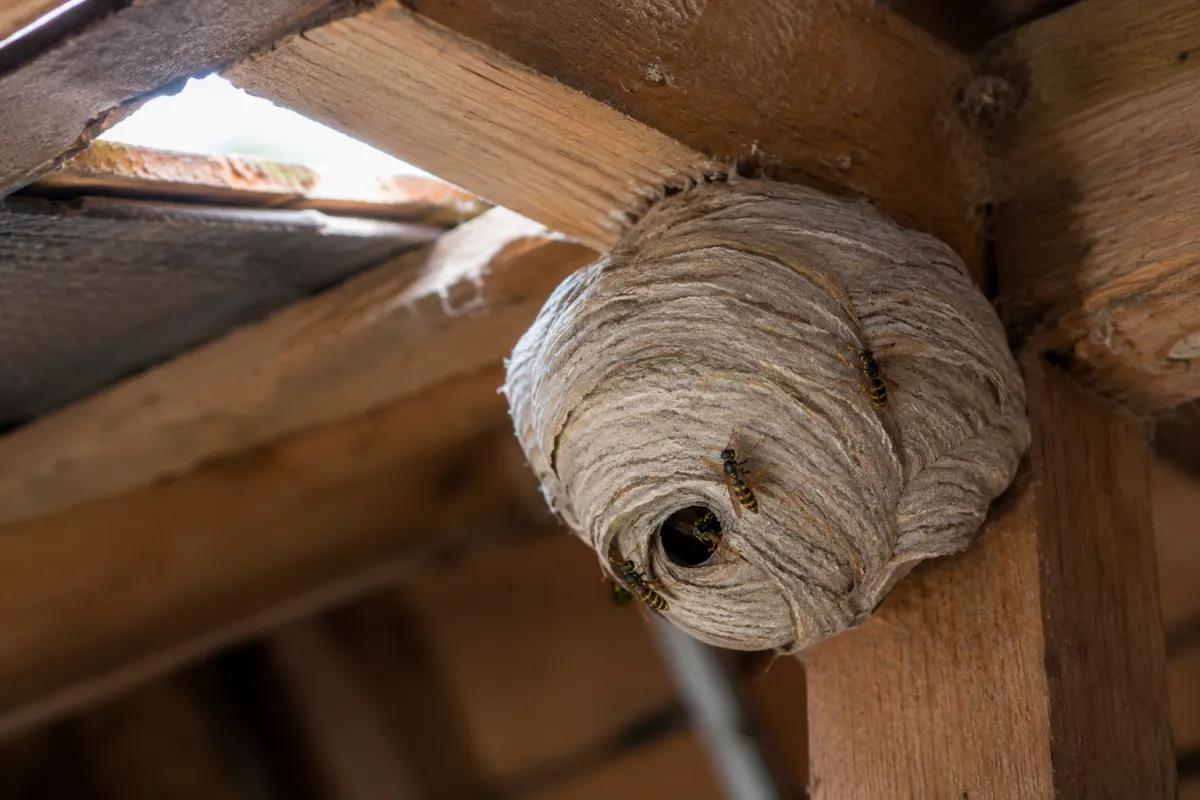
Wasp treatment
The common wasp (Vespula vulgaris) is about 15 mm long, with distinctive yellow and black banding. The queen wasp, somewhat larger than the workers, emerges from hibernation in the spring and begins to build a ball-shaped nest about 2–3 inches in diameter. The nest is made from chewed wood pulp, laid down with a very fragile, paper-like outer shell. The few initial cells in the original golf-ball-sized nest are expanded throughout the summer as the queen continues to lay eggs and the emerging adult worker wasps take over the nest building to accommodate the growing colony.
Oriental cockroach infestation
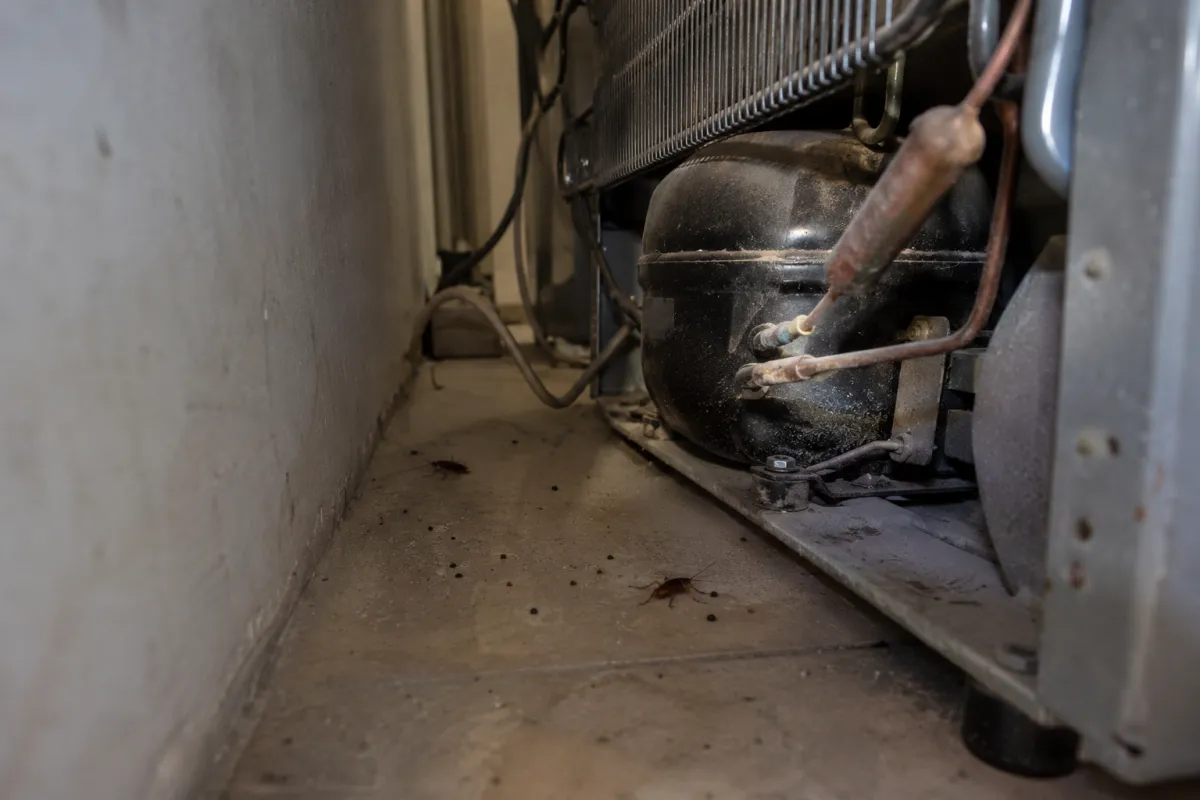
The Oriental cockroach is dark brown or black and 20 to 24 mm long. Immature cockroaches look exactly like adults, just on a smaller scale. The Oriental cockroach deposits its 13 mm egg capsule on packaging, on sacking or in suitable dark crevices, and the 16 to 18 nymphs hatch around 12 weeks later. They grow in stages, from nymph to maturity, in 6 to 12 months for the Oriental cockroach and 6 to 12 weeks for the German cockroach.
Ant treatment
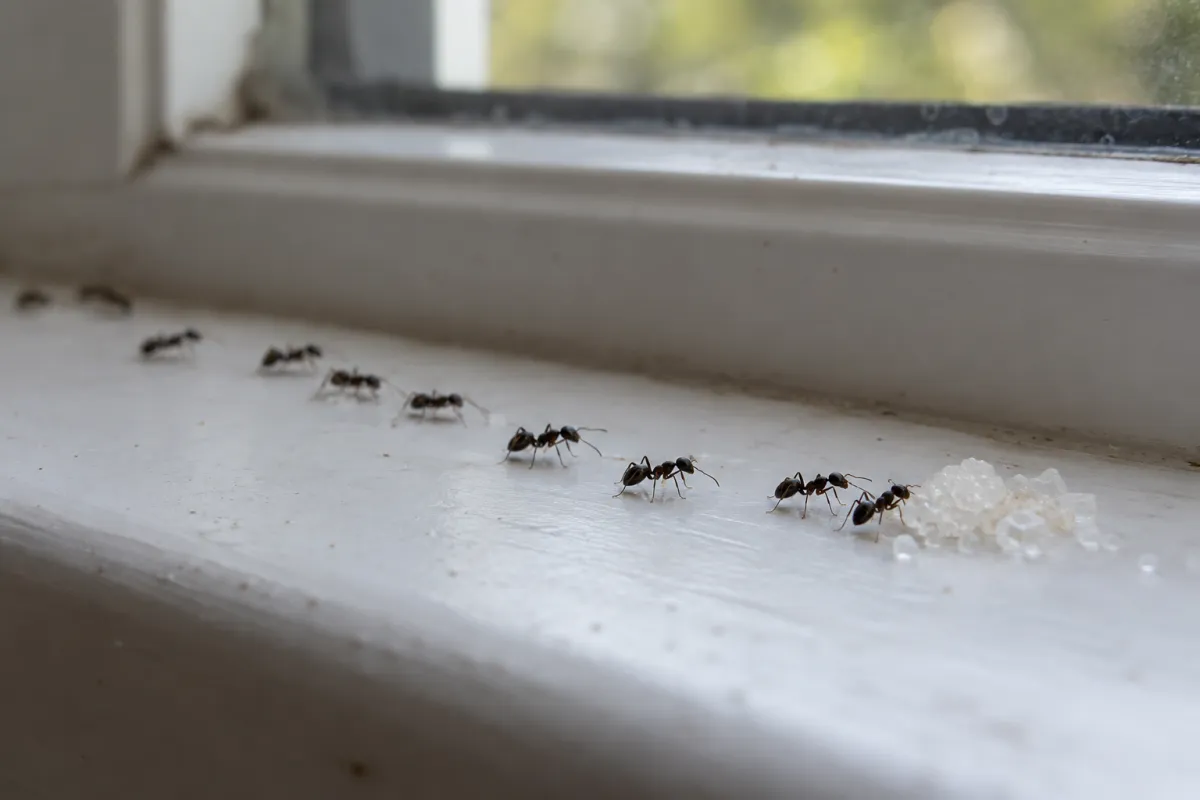
The common black garden ant (Lasius niger) is not considered a risk to public health, but from time to time it can become a nuisance. These ants are dark brown or black and 3–5 mm long. They generally live outside, but they will often invade buildings in search of food, and this is when they can become a nuisance.
Squirrel treatment
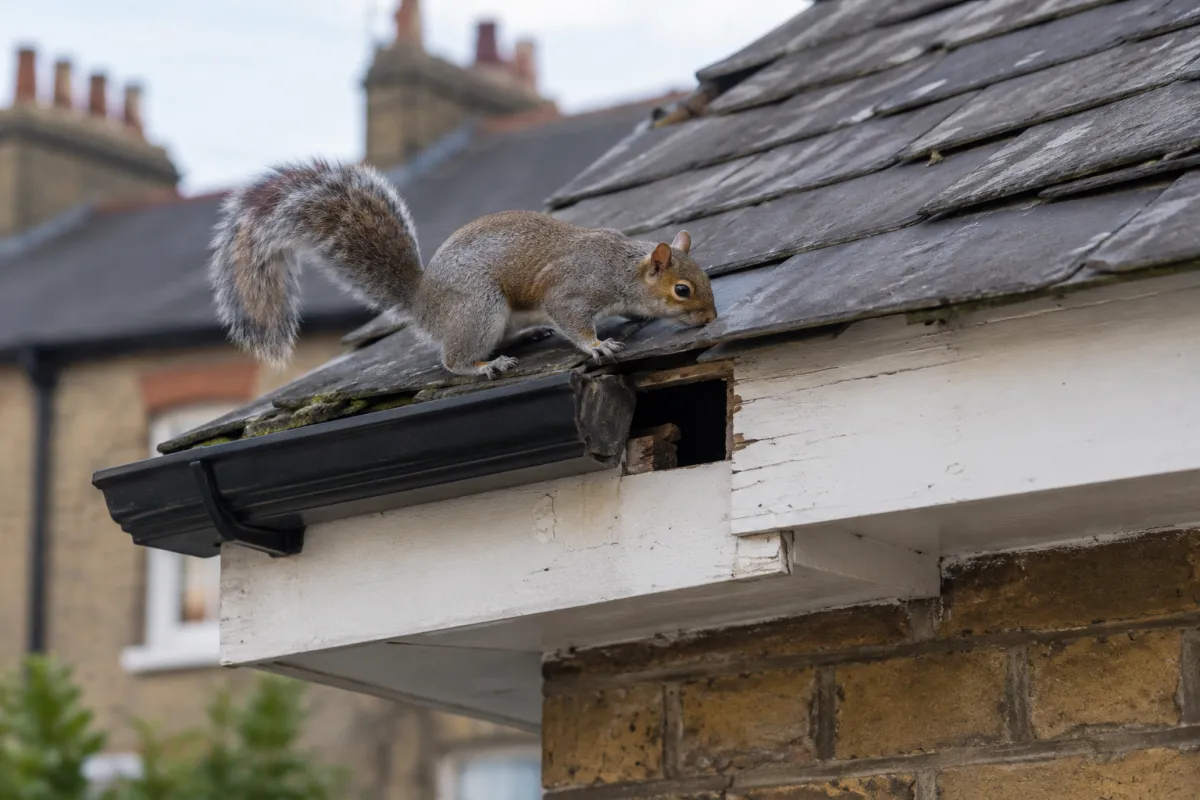
Have you heard something rustling in your attic or loft and suspect squirrels? As adorable as squirrels might be, they can be an incredibly destructive and distressing pest to have in your home or workplace.
More pests we treat
Not sure what you’ve got? Call us with a description of what you’ve seen and where.
020 7112 8473Let’s talk about the problem.
Tell us what you’ve seen, the property type and your postcode.