Rodent control in East London
Droppings, gnawing or noises in the ceiling tell you rodents are present, but not always which ones. Rats and mice behave differently, so identifying the species comes before any treatment is planned. We deal with both, in homes, rented properties and commercial premises across East London.
Telling rats from mice
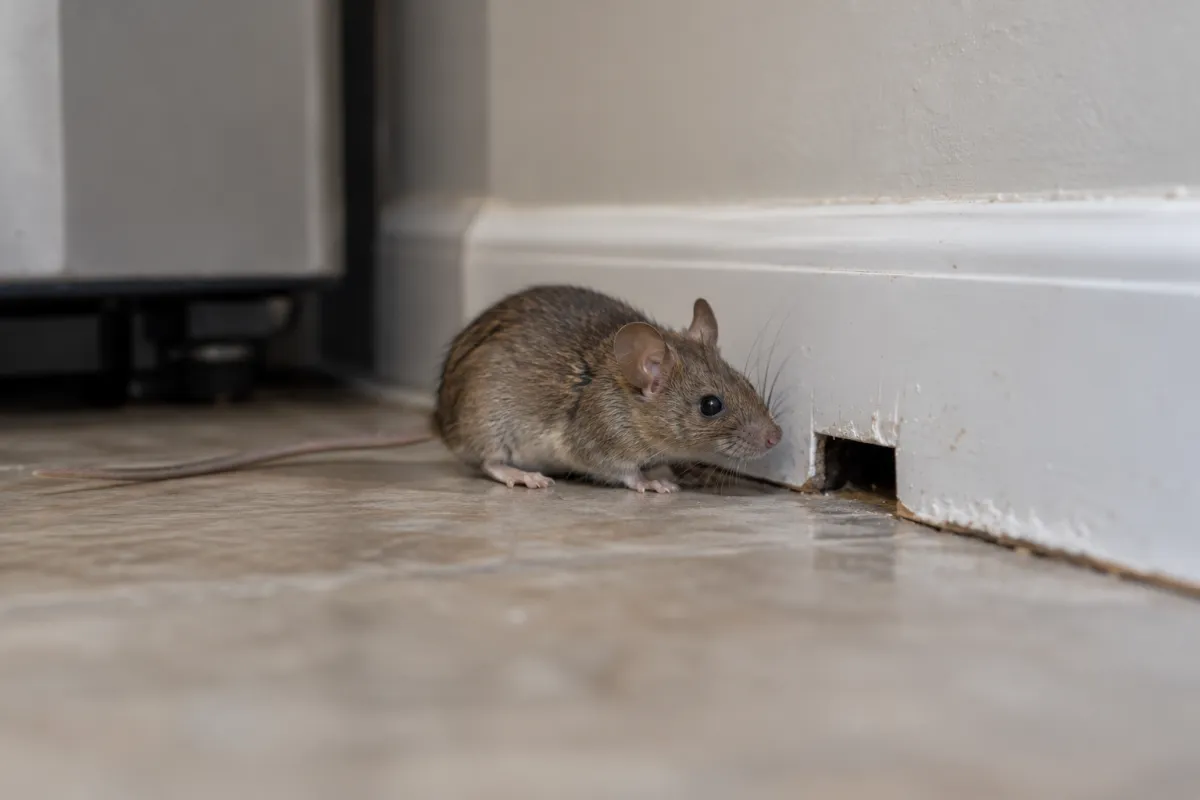
Look at the head, ears and tail. A mouse has a pointed snout, large ears for its size and a thin tail as long as its body, while a brown rat has a blunt snout, small ears close to its head and a thick tail a little shorter than its body. Young rats catch people out, but a young rat's head and feet look oversized for its body.
- Size
- Mouse body 6–9 cm; rat body around 20–27 cm
- Breeding
- Mice breed from 6–8 weeks old, rats from 2–3 months
- Lifespan
- Usually about a year for both in the wild
- Most active
- Both mostly at night, from dusk to dawn
- Nest
- Mice nest indoors near food; rats often burrow outside
Signs of rodents
Droppings of different sizes
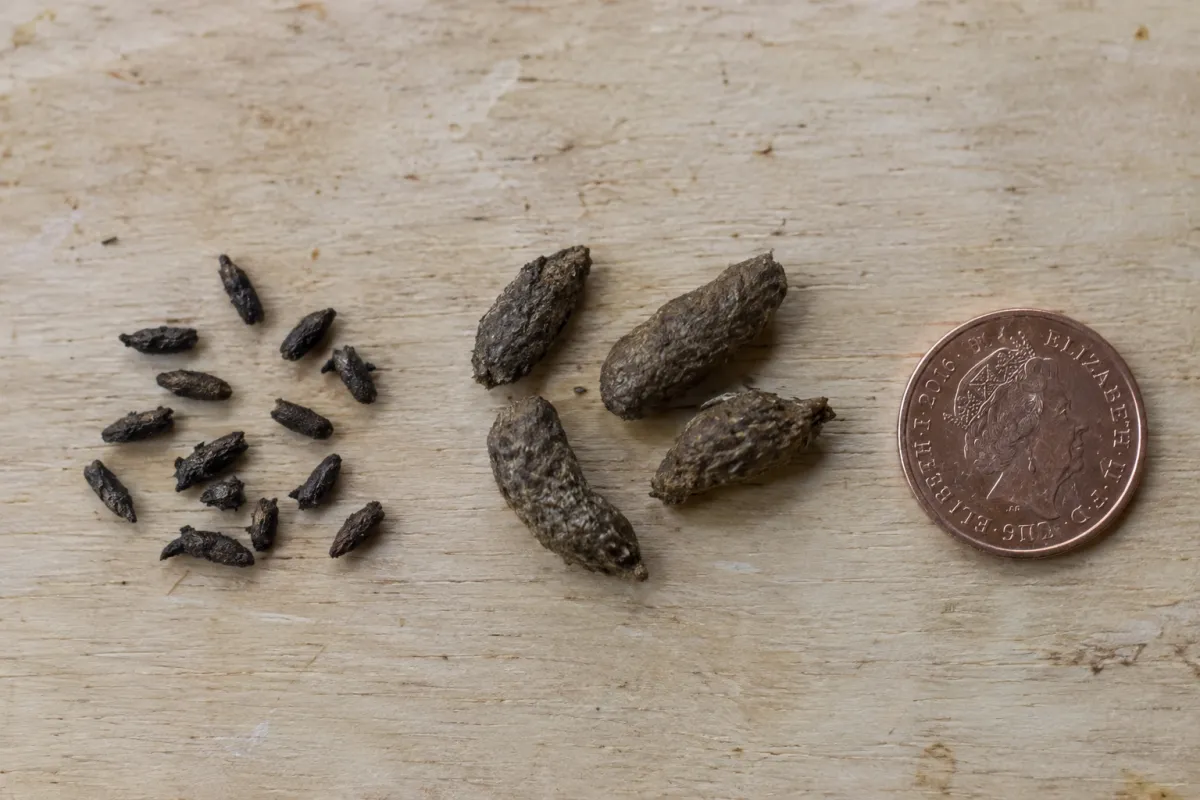
Mouse droppings are thin and about 3–6 mm long, while rat droppings are thicker and around 10–14 mm. Finding both sizes can mean both pests are present.
Fresh gnaw marks
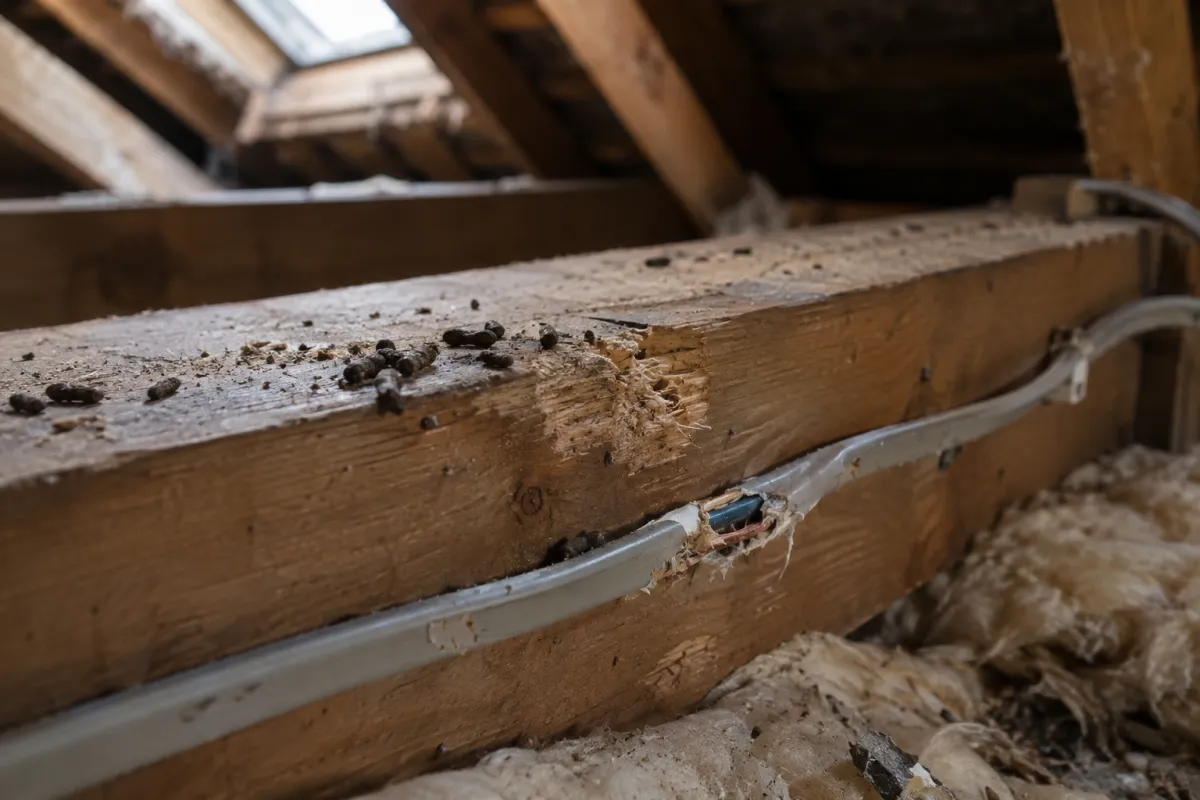
Fresh gnawing on wood, plastic or cables looks pale and clean. Larger, rougher marks suggest rats, and small, neat ones suggest mice.
Chewed cables and insulation
Stripped wiring, torn loft insulation and holes in pipe lagging often show where rodents are nesting or travelling.
Noises after dark
Scratching, scampering or gnawing sounds in ceilings, walls and under floors, usually at night.
Grease marks and odour
Dark smear marks along regular routes and a strong, stale smell in enclosed spaces where rodents have been living.
Life cycle and breeding
Rats and mice both breed all year indoors, start young and have large litters, so numbers rise quickly once they've settled. Mice are the quicker of the two.
Pregnancy
Pregnancy lasts about three weeks for both. Both can mate again within a day or so of giving birth.
Litters
A mouse usually has 5–8 young and a rat 6–10, all born blind and hairless in a hidden nest.
Leaving the nest
The young of both start exploring at about three weeks, following the adults along their routes.
Breeding age
Mice can breed at 6–8 weeks old and rats at 2–3 months. Both carry on breeding for most of their roughly one-year lives.
Where rodents live and how they get in
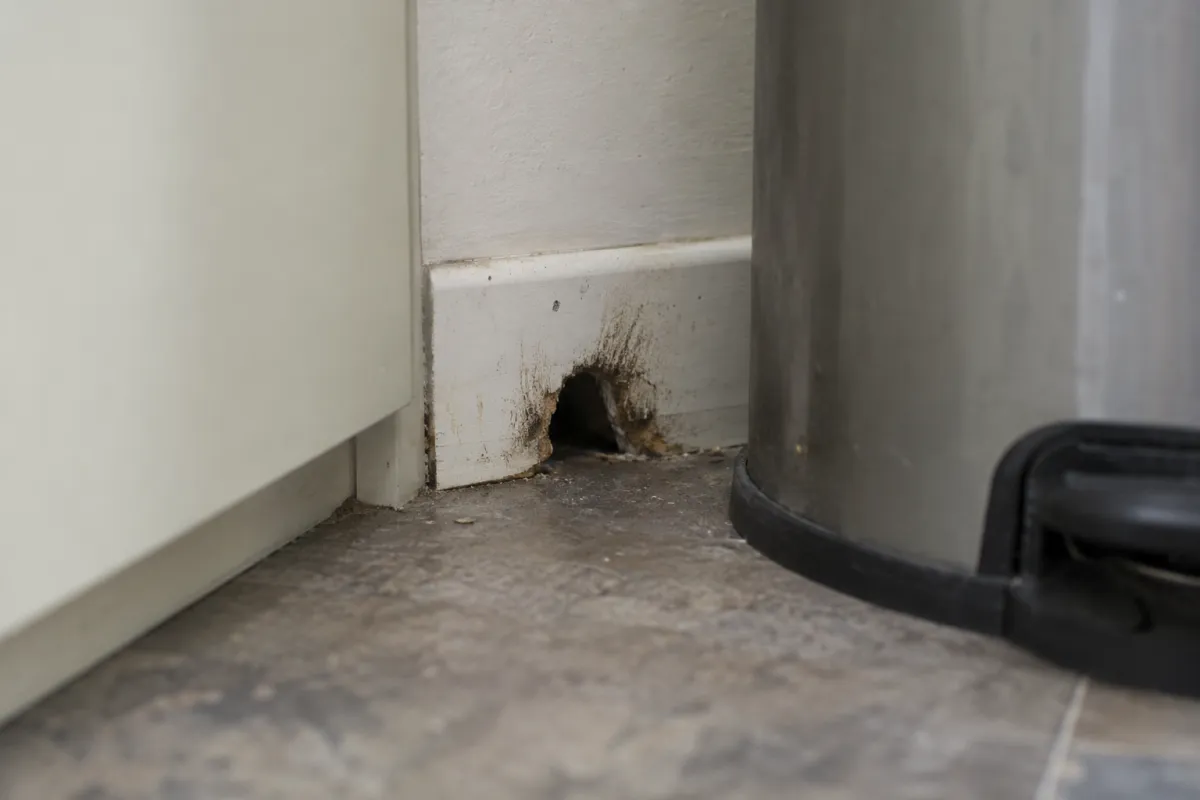
Mice tend to live entirely indoors, nesting close to food in kitchens, floor voids and wall cavities, and rarely travel far. Rats more often live outside, in burrows or drains, and come in to feed, though they will nest under floors and in lofts too. In older East London terraces, both use the hidden spaces under floorboards and behind kitchen units to get about.
- Through gaps behind the sink, washing machine and boiler where pipes come through the wall.
- Through broken air bricks and vents leading into the void under the floor.
- Under back doors and garage doors with worn thresholds.
- Up through cracked or disconnected drains, which is mostly a rat route.
- Through gaps at the eaves, reached by climbing pipes, ivy or rough brickwork.
Why it matters
In a home or rented flat
Rats and mice contaminate food and surfaces with droppings and urine, and can spread illnesses such as salmonellosis and leptospirosis. Their gnawing damages electrical cables, pipes and timber, adding to the risk of fires and leaks.
For landlords and businesses
Rodent activity in a food business, shop or office can bring complaints, spoiled stock and action from environmental health officers. Landlords and managing agents also see repeat problems across units if shared areas and entry points are not tackled together.
How rodent control works
Identifying the rodent
We confirm whether you have rats, mice or both from droppings, gnawing, runs and entry points, as each needs a different approach.
Targeted treatment
Professional-use rodenticides in secure bait stations, or traps where baiting is not suitable, are placed to suit the species and the routes it uses.
Proofing the building
Entry points are identified and prioritised, from gaps around pipes and cables to damaged air bricks, doors and drains.
Follow-up and prevention
Follow-up visits confirm activity has stopped before bait is removed, and we advise on waste, storage and housekeeping to keep rodents out.
What you can do yourself
Work out which one
Compare the droppings, gnaw marks and the size of any holes before you buy anything, because a mouse trap won't hold a rat. A clear photo of the droppings next to a coin makes it easier to tell.
Match the trap
Use mouse-size snap traps for mice and the larger rat traps for rats, set against walls along the routes they use. Glue traps can no longer be used by the public in England.
Bait boxes, never loose
If you use poison, buy only products sold for amateur use and follow the label exactly. Keep it in a tamper-resistant bait box, out of reach of children and pets.
Keep a simple log
Note where and when you hear or see signs. It shows you whether what you're doing is working, and it helps whoever treats the problem later.
Prevention
- Seal holes around pipes and cables where they pass through walls and floors.
- Store food, pet food and bird seed in sealed, hard containers.
- Keep bins closed and bin areas clean, and never leave rubbish bags on the ground.
- Check lofts, under-stairs cupboards and boiler cupboards now and then for droppings or fresh gnawing.
- Keep gardens, yards and service areas free of clutter and overgrown vegetation.
Rodent problems are reported all year, with a rise from autumn into winter as rats and mice move indoors.
Common myths
Myth: Rodents only come in when it gets cold.
The truth: Autumn is the busiest time, but rats and mice breed indoors all year. A warm building with food will keep them going through summer too.
Myth: Poison works straight away.
The truth: Most baits are slow-acting and take several days. That's deliberate, because rodents learn to avoid food that makes them ill quickly.
Myth: Peppermint oil will drive them out.
The truth: Strong smells may put a rodent off one spot for a short while, but they won't make it leave a building with food and shelter.
Questions about rodents
What does rodent control cover?
It covers rats and mice, the two rodents most often found inside buildings in London. The work involves identifying the species, treating the active areas and advising on the proofing needed to stop them returning.
Can rodents chew through electrical cables?
Yes. Rats and mice gnaw constantly to keep their front teeth worn down, and cable insulation is a common target. Damaged wiring can become a fire risk, so have an electrician check any cables you find chewed.
Can I have rats and mice at the same time?
It is possible, especially in larger buildings where each can occupy different areas. Droppings of two distinct sizes in separate parts of a building are the usual clue that both are present.
How should I clean up rodent droppings?
Wear rubber gloves, dampen the droppings with disinfectant rather than sweeping or vacuuming them dry, and wipe them up with paper towels. Bag the waste, disinfect the surface and wash your hands thoroughly afterwards.
Further reading
Related services
 Mice controlFind and treat mice in homes, flats and business premises, then close the gaps they use to get in.
 Rat controlTreat brown rats in and around buildings, and find the drain defects or gaps that let them in.
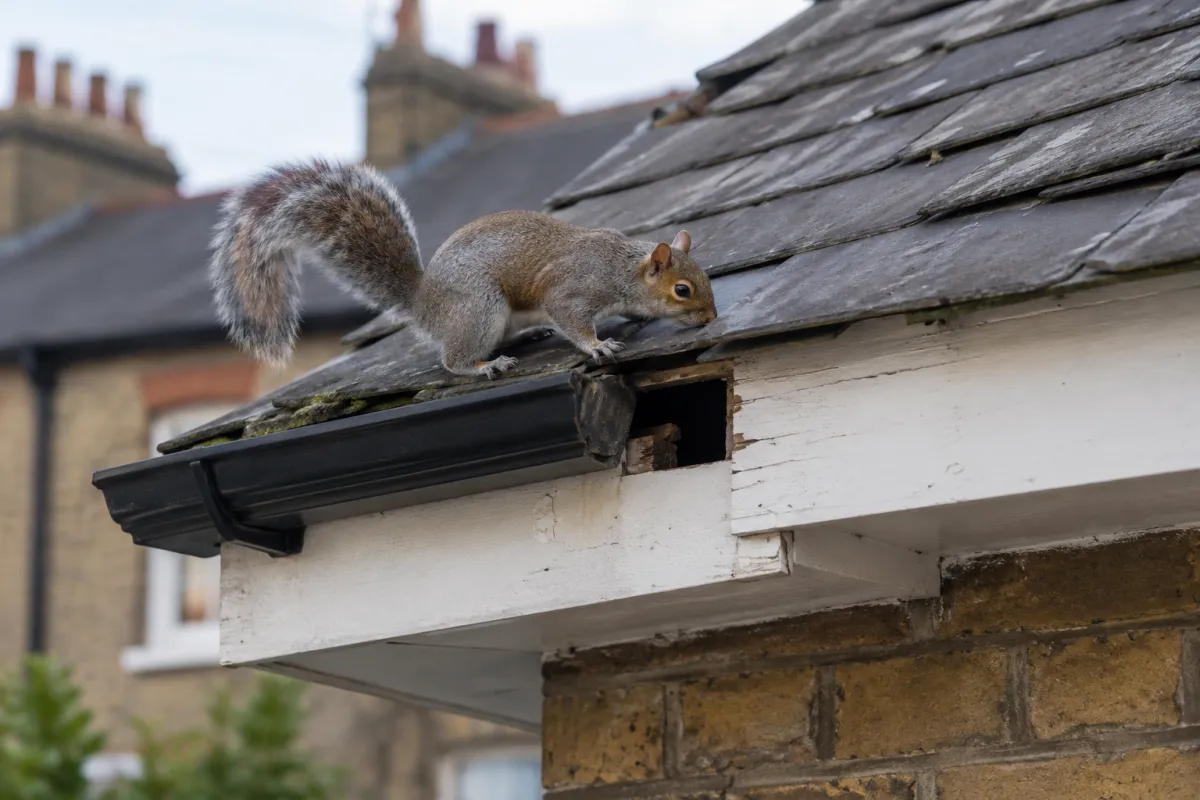 Squirrel controlSurvey and advice for grey squirrels in lofts, roofs and eaves, with a plan to stop the damage.
Let’s talk about the problem.
Tell us what you’ve seen, the property type and your postcode.