Ant treatment in East London
Most ants in London kitchens are black garden ants that nest outside and follow scent trails indoors to sweet food. Pharaoh's ants are a different problem: tiny, pale ants that live indoors in heated buildings and spread through ducts and wall cavities. We identify the species first, because each needs a different treatment.
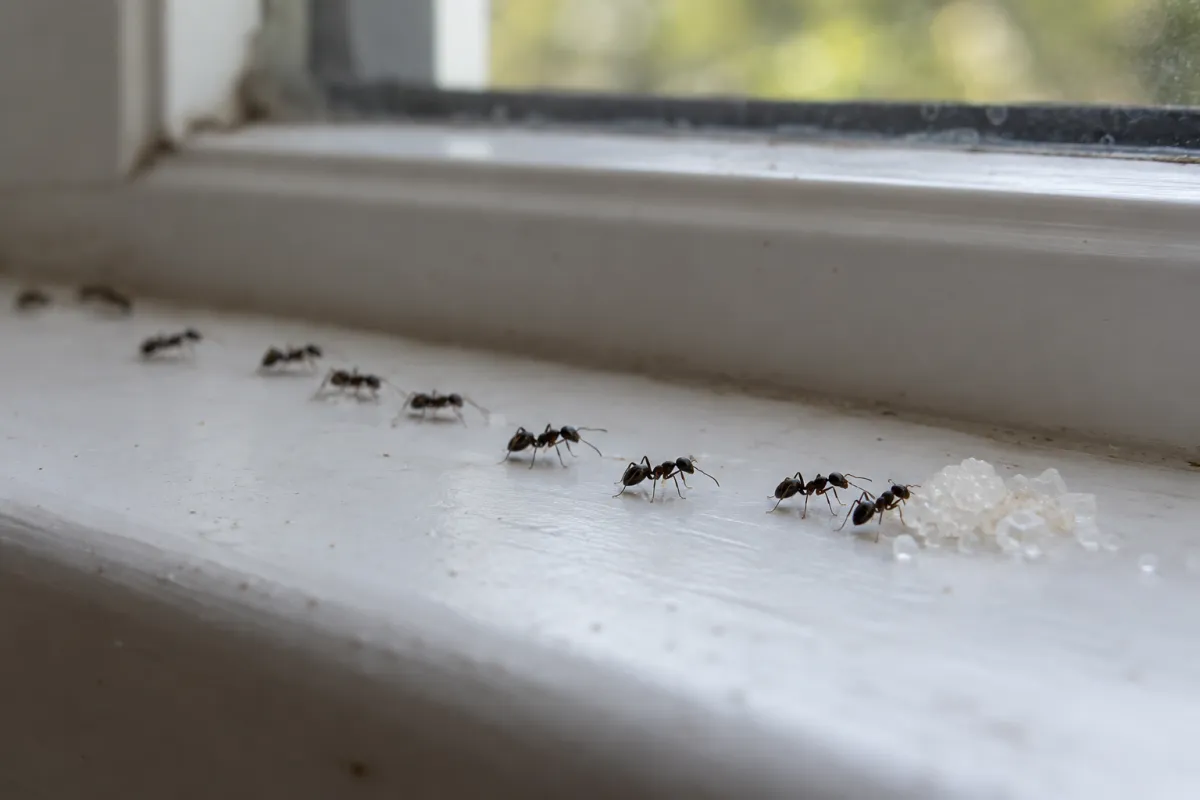
What ants look like
Ants have three clear body sections, a pinched waist and elbowed feelers. Black garden ants are shiny dark brown to black and come in from outside, while Pharaoh's ants are much smaller, pale yellowish with a darker tail end, and live deep inside warm buildings. If the ants you're seeing are tiny, pale and in an upstairs bathroom in winter, think Pharaoh's ants rather than garden ants.
- Size
- Garden ants 3–5 mm; Pharaoh's ants about 2 mm
- Colour
- Garden ants black; Pharaoh's pale yellowish-brown
- Breeding
- Garden nests: one queen, thousands of workers
- Diet
- Sweet food, plus protein and grease
- Hides in
- Under paving outdoors; Pharaoh's in warm wall voids
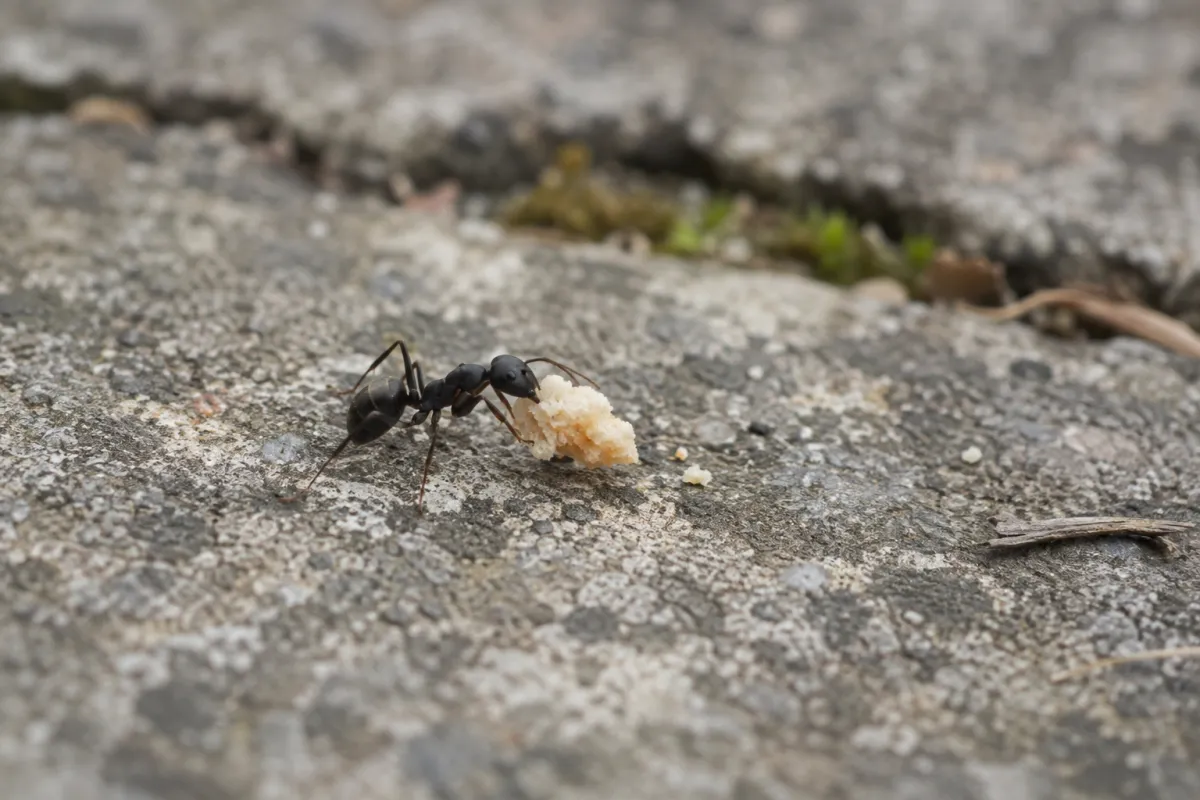
Signs of ants
Ant trails
Lines of ants running along skirting boards, worktops or windowsills towards food, pet bowls or bins.
Small soil piles
Little heaps of fine soil between paving slabs, along walls or at the edge of a lawn, marking nest entrances.
Flying ants
Winged ants emerging in large numbers on a warm, humid summer day, showing a mature nest nearby.
Tiny pale ants indoors
Yellowish-brown ants around 2 mm long in warm rooms, bathrooms or around heating pipes, which may be Pharaoh's ants.
Ants in food
Ants inside sugar, jam, honey or open packets in the cupboard.
Life cycle and breeding
A black garden ant nest starts with a single queen and grows over a few years to several thousand workers. The queen can live for many years, so the same nest can send ants into your kitchen summer after summer.
New queen
On a warm, humid summer day, winged queens and males leave the nest to mate. Each mated queen sheds her wings and digs in, often under a slab, to start a nest alone.
Eggs and grubs
She lays tiny white eggs that hatch into legless grubs. Once there are workers, they do the feeding, which is why foragers carry food home.
Pupae
Grown grubs spin pale cocoons. These are the so-called ant eggs you see workers rushing to safety when you lift a paving slab.
Workers
New workers appear usually around two months after the egg was laid, depending on warmth. The nest slows right down in winter and starts again each spring.
Where ants live and how they get in
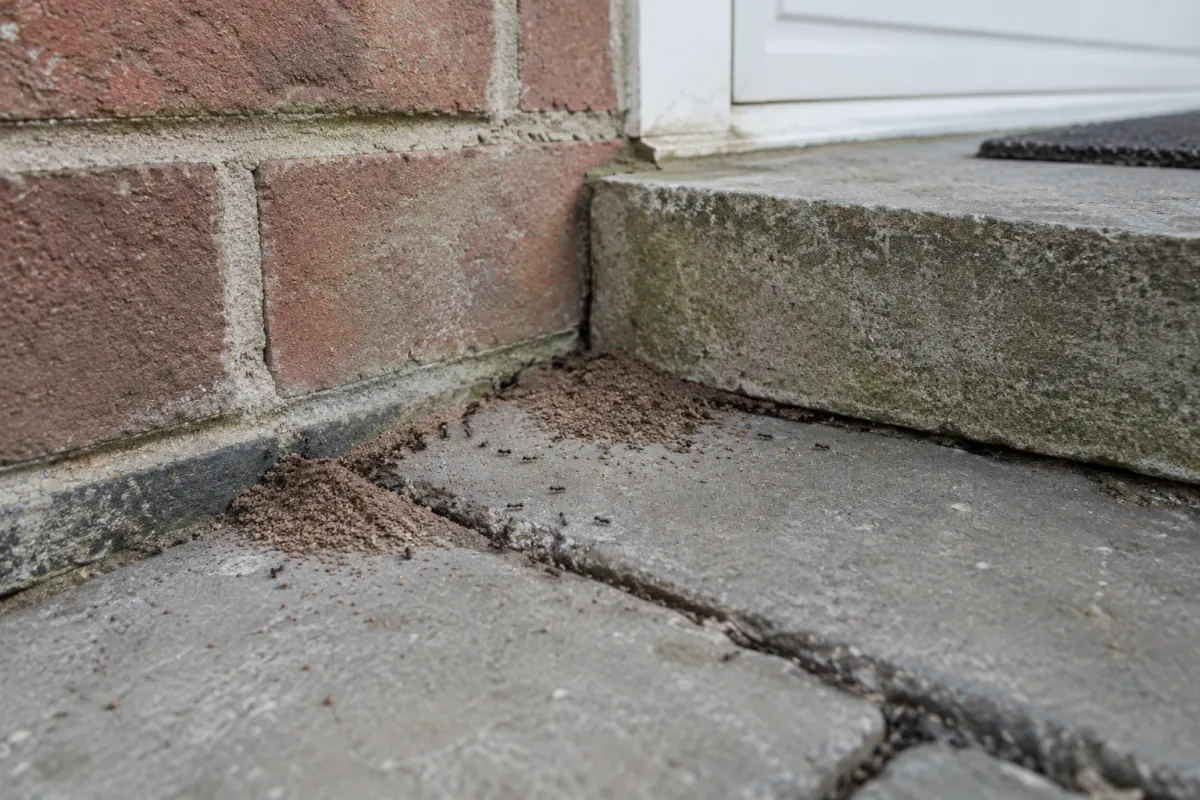
Black garden ants nest outdoors in dry, well-drained soil: under patio slabs and paths, below doorsteps, at the foot of walls and along lawn edges. Only the foraging workers come inside, following a scent trail to food and back out again. Pharaoh's ants can't survive a British winter outdoors, so they live entirely inside heated buildings, in wall voids, behind skirting and around heating pipes.
- Under back doors and through gaps around door frames and thresholds.
- Through cracks in mortar and render, and around window frames, especially by the kitchen.
- Along pipes and cables where they come through the wall.
- Up through gaps behind kitchen units and under skirting boards.
- Pharaoh's ants travel along heating pipes and ducts, and can arrive in boxes, deliveries or furniture.
Why it matters
In a home or rented flat
Garden ants are a nuisance rather than a health risk, but a trail can quickly cover worktops, food cupboards and bins. Pharaoh's ants are more serious, because they can carry bacteria onto food and are hard to remove once established.
For landlords and businesses
Ants in a café, shop or food store look unhygienic to customers and can contaminate open food and stock. Pharaoh's ants in care homes, hospitals and other large heated buildings spread through service ducts and need a planned treatment across the building.
How ant treatment works
Identifying the species
We confirm the species and trace trails back to the nest or entry point, since killing the ants you can see rarely affects the colony.
Garden ant treatment
For black garden ants, treatment is aimed at the nests and the routes the ants use to come indoors.
Baiting Pharaoh's ants
Pharaoh's ants are treated with a hormone bait that stops the colony breeding, so it dies out gradually. Sprays are avoided because they can make colonies split and spread.
Follow-up and prevention
Baits must be left in place rather than cleaned away, and a follow-up visit checks them. We also advise on sealing entry points and keeping food covered.
What you can do yourself
Follow the trail
Watch where the line of ants goes. It'll lead you to the gap they're using, and often to a nest under a slab or at the foot of a wall outside.
Bait, don't spray
Put a shop-bought ant bait right on the trail, follow the label and keep it away from children and pets. Workers carry it home and share it, reaching ants you'll never see.
Give the bait time
You may see more ants on the bait for a few days. Leave them to it rather than wiping them up, and they'll tail off as the nest is affected.
Treat the nest outside
If you can find the nest between slabs, an ant powder or nest treatment from a garden centre can go on the entrance. Use it as the label says and keep children and pets off the area.
Prevention
- Wipe up sugary spills and crumbs straight away, and keep sweet foods in sealed containers.
- Rinse recycling and keep kitchen bin lids closed.
- Seal gaps around windowsills, door frames and the points where pipes enter the house.
- Avoid leaving pet food down for long periods, especially in warm weather.
- Do not spray suspected Pharaoh's ants with household insecticide, as it can scatter the colony.
Garden ants come indoors most from spring to late summer, with flying ants usually appearing in July and August, while Pharaoh's ants are active all year in heated buildings.
Common myths
Myth: Ants only come into dirty kitchens.
The truth: A drip of jam, a sugary glass or a pet bowl is enough. Scout ants find food in the cleanest kitchens and lay a trail for the rest.
Myth: Vinegar or cinnamon lines will keep ants out.
The truth: Strong smells may break up a trail for a while, but the ants soon find a way round. The nest outside carries on as before.
Myth: Once the flying ants have gone, so has the nest.
The truth: The flight is just the nest sending out new queens. The colony carries on and will be back foraging next spring.
Questions about ants
Why do ants keep coming back to the same spot?
Worker ants leave a scent trail from food back to the nest, and other ants follow it. Cleaning the trail with detergent helps, but ants will return while the nest is active and food is available.
What are flying ants and should I worry?
Flying ants are the winged males and young queens of black garden ants, which leave the nest together on warm, humid days to mate. The swarm is short-lived and harmless, but it shows there is a nest nearby.
What are Pharaoh's ants?
They are tiny, yellowish-brown ants around 2 mm long that live indoors in warm buildings, often in wall cavities and around heating pipes. Colonies can have many queens and split when disturbed, so they need a slow-acting bait rather than a spray.
Will an ant spray from the shop work?
It may kill the ants you can see, but the queens and young inside the nest are usually untouched. Treatment that reaches the colony works better, and for Pharaoh's ants a spray can make the problem worse.
Further reading
Related services
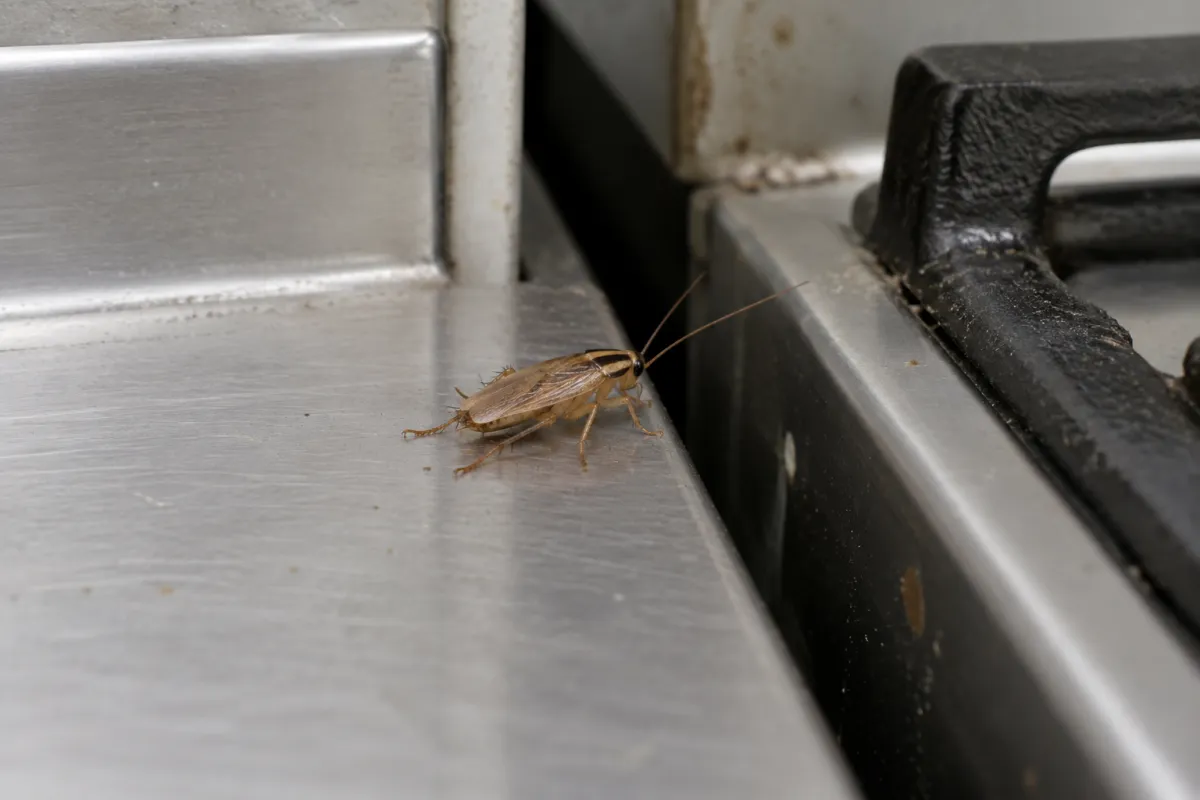 Cockroach controlIdentify and treat German and Oriental cockroaches in kitchens, flats, blocks and food premises.
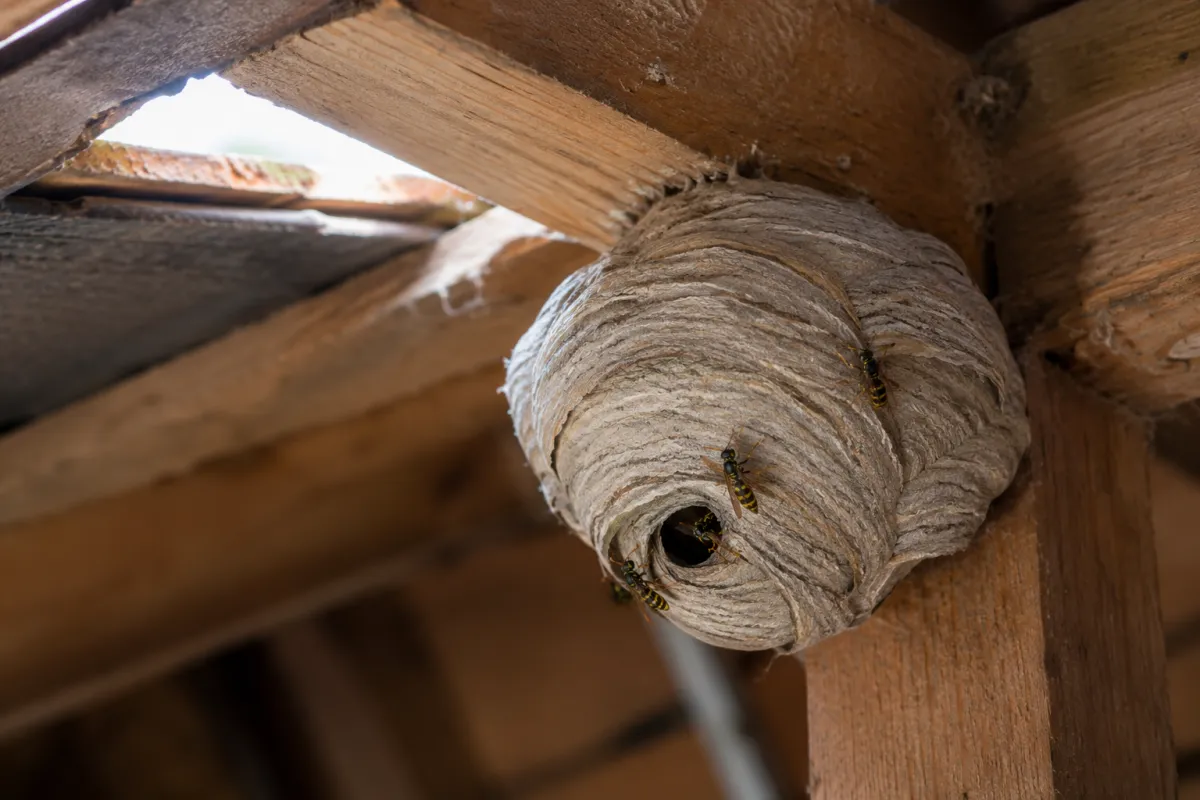 Wasp controlTreatment for active wasp nests in lofts, eaves, walls, sheds and gardens.
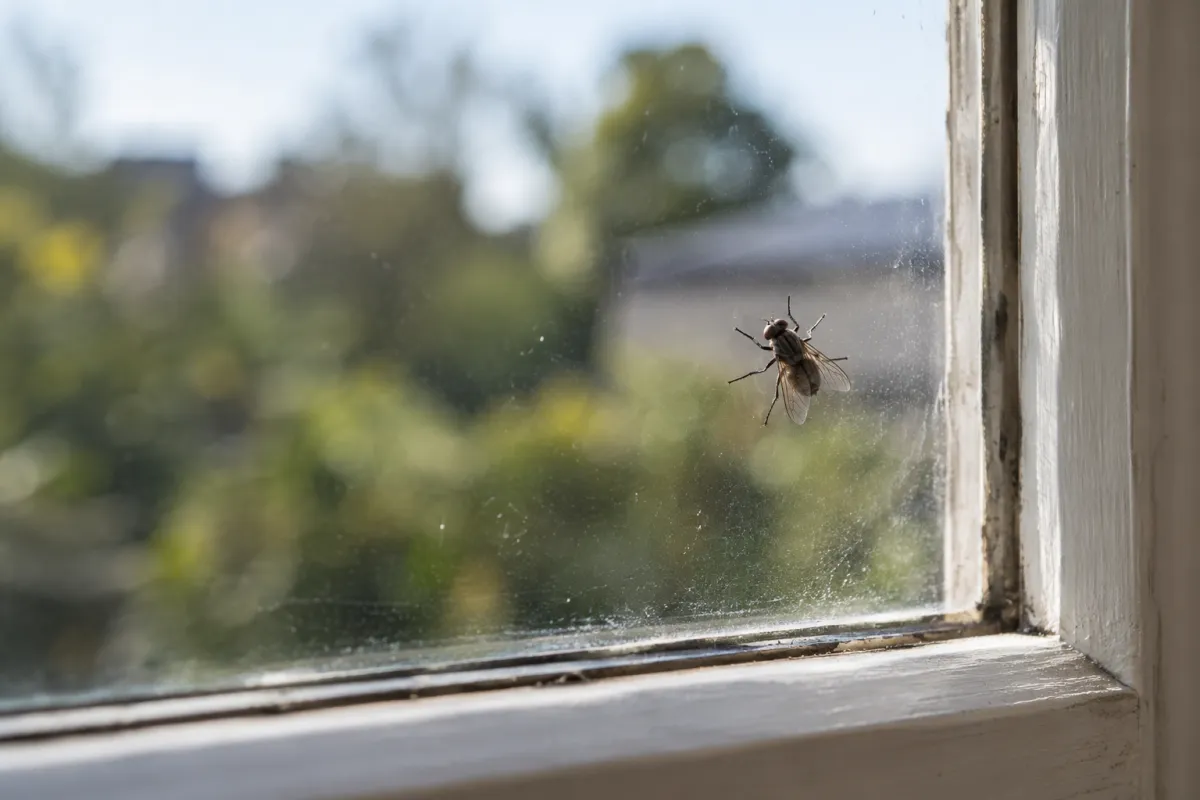 Fly controlFind where flies are breeding, from bins to lofts, and deal with house flies, bluebottles and cluster flies.
Let’s talk about the problem.
Tell us what you’ve seen, the property type and your postcode.