Mite control in East London
Several kinds of mite turn up in London homes and businesses, and they are easy to confuse. Flour mites live in damp stored food, bird mites wander indoors from old nests, and clover mites gather on sunny windowsills in spring. We survey the problem, identify what you have and recommend a suitable treatment, including for other stored product pests such as weevils and beetles.
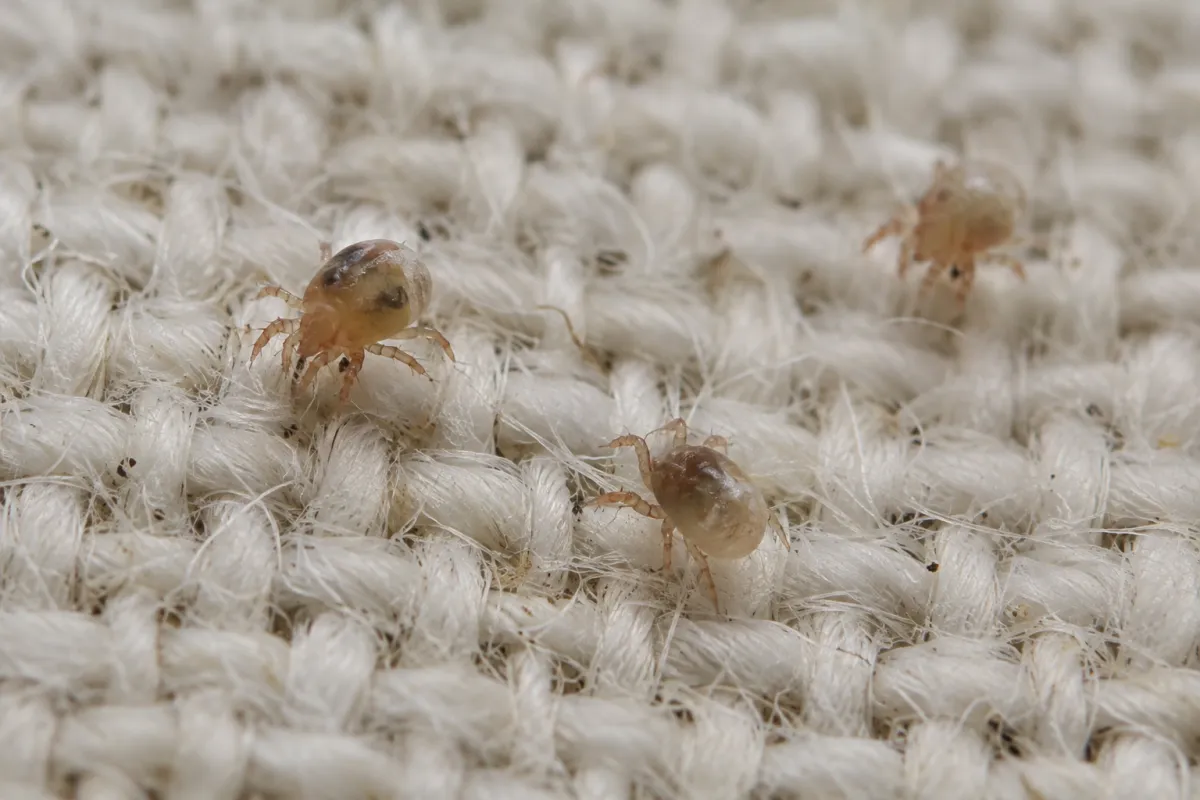
What mites look like
Flour mites are barely visible, around half a millimetre long, pale and pearly with pinkish-brown legs. Bird mites are a similar size, greyish until they've fed and then reddish, and they run quickly over walls, sills and bedding. Slightly bigger pale specks darting about a damp cupboard are often booklice, which have six legs rather than eight.
- Size
- About 0.3–0.6 mm, just visible to the eye
- Colour
- Flour mites pale; bird mites grey, red once fed
- Breeding
- Egg to adult in about two weeks if warm and damp
- Diet
- Damp grain and mould; bird mites feed on birds
- Hides in
- Damp dry goods; bird nests in eaves and roofs
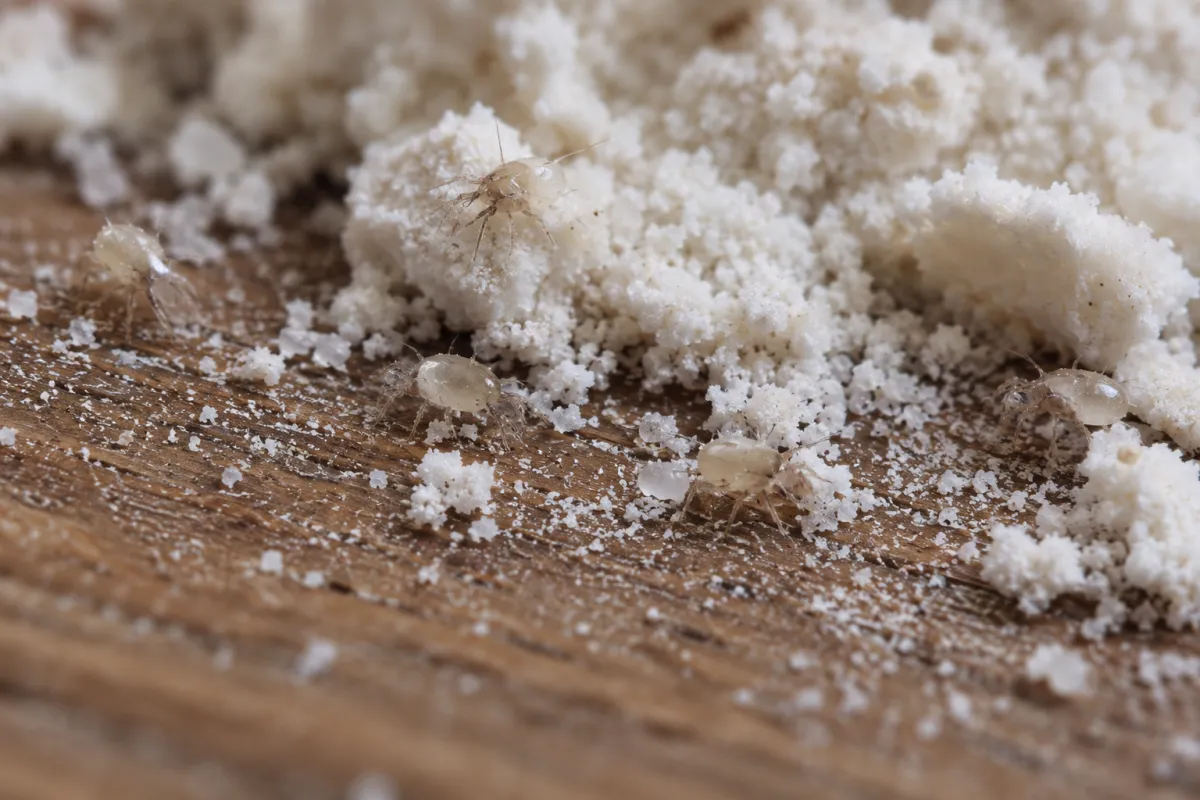
Signs of mites
Moving dust in food
Fine, pale brown dust on flour, cereal or pet food packets that seems to move when you look closely.
Sweet, minty smell
A sickly, minty odour from flour or grain, a common sign of flour mites.
Red specks on windowsills
Tiny bright red mites on sunny walls and windowsills in spring, which leave a red stain when crushed.
Bites after birds nest
Itchy bites and tiny moving specks near windows, ceilings or vents after birds have nested in the roof or eaves.
Beetles or weevils
Small beetles, weevils or larvae in dry food, often found alongside mites in damp or long-stored goods.
Life cycle and breeding
Flour mites breed very fast when it's warm and damp, going from egg to adult in around two weeks, longer when it's cooler. A bag of flour that's picked up moisture can go from a few mites to a moving layer within weeks.
Egg
Females lay dozens of tiny white eggs straight into flour, grain or cereal. They hatch within a few days.
Larva and nymphs
The larvae have six legs and gain a fourth pair as they moult into nymphs. They feed on the food and any mould growing on it.
Resting stage
If the food dries out, some nymphs turn into a tough resting form. It can wait out dry spells for a long time and ride on other insects to fresh food.
Adults
Adults keep breeding for as long as the food stays damp. Once it dries, numbers fall away quickly.
Where mites live and how they get in
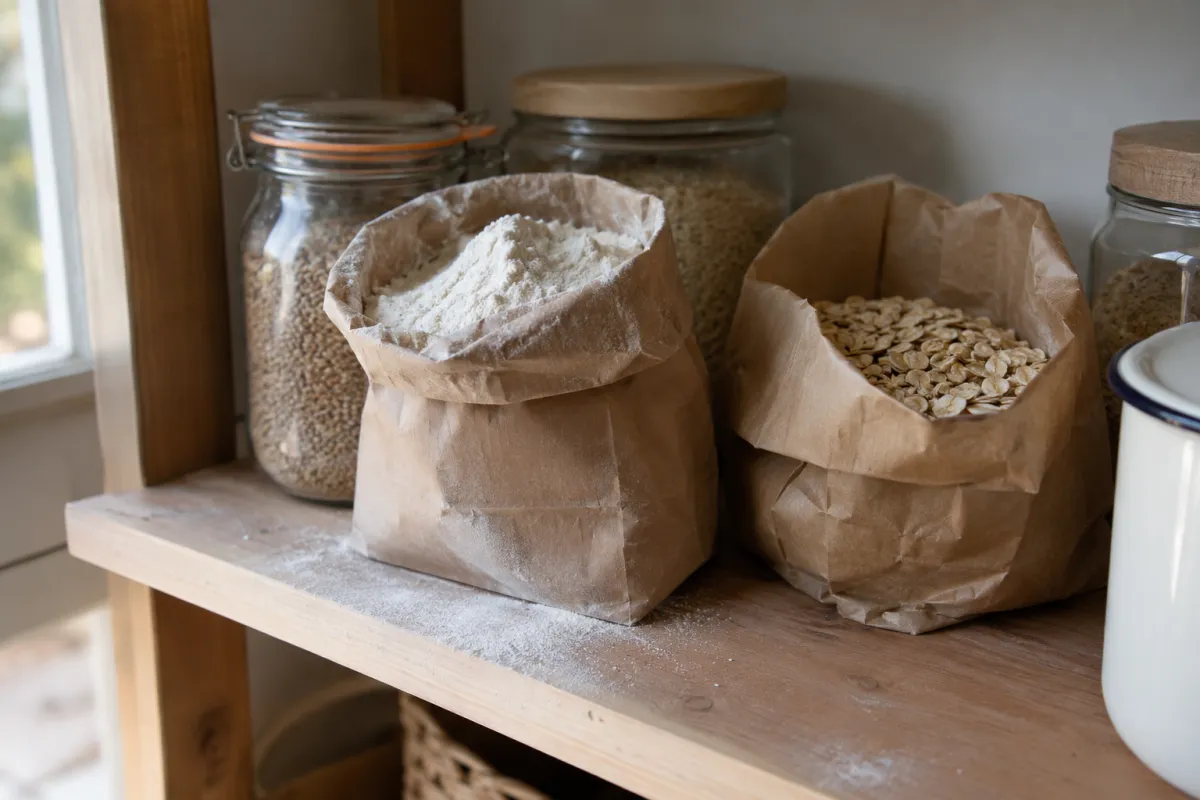
Flour mites live in dry food that's picked up a little moisture: flour, cereal, grains, spices, dried pet food and bird seed, usually at the bottom of an opened bag that's been there a while. Cupboards on cold outside walls, or next to a kettle or cooker, are where they turn up most. Bird mites live in nests under roof tiles, in eaves, gutters and chimneys, and head indoors when the young birds leave or the nest is abandoned.
- In packets of dry food that picked up mites in a warehouse or shop before you bought them.
- In bird seed or dry pet food brought in from a damp shed, garage or understairs cupboard.
- From nests in the roof, through gaps around the loft hatch, light fittings and ceiling roses.
- Through air vents, extractor fans, chimneys and window frames close to an old nest.
Why it matters
In a home or rented flat
Flour mites spoil food and can cause skin irritation or allergic reactions in people who handle infested products. Bird mites bite people once their hosts leave a nest, which can be distressing and hard to pin down.
For landlords and businesses
Food stores, bakeries and warehouses can lose stock to mites and other stored product pests, and infested goods lead to complaints and returns. Landlords may be asked to deal with damp or with bird nests in the roof, which are common sources of mites.
How mite control works
Survey and identification
We identify the mite or stored product pest, since flour mites, bird mites and clover mites need very different approaches.
Finding the source
We trace where the mites are coming from, such as damp food stores, old bird nests or plants growing against the walls.
Recommended treatment
We recommend a treatment that suits the source, which may include removing infested goods, dealing with a nest or damp, and treating affected areas.
Prevention advice
We advise on storage, humidity and proofing to stop mites building up again.
What you can do yourself
Try the flour test
Tip a little flour onto a dark plate, smooth it flat and leave it for half an hour. If the surface looks roughened or bumpy when you come back, there are mites in it.
Bag and bin the lot
Seal any infested packets in a tied bag and put them straight in the outside bin. Check everything else on that shelf, including spices, pet food and bird seed.
Vacuum where they appear
For bird mites, vacuum along windowsills, skirting and light fittings where you see them, then seal the bag for the outside bin. A damp cloth picks up any stragglers.
Leave nests alone
Don't pull out a nest yourself. Most wild birds' nests are protected by law while in use, and disturbing an old one can send more mites into the house.
Prevention
- Store flour, cereals, grain and pet food in dry, sealed containers, and use older stock first.
- Keep kitchen cupboards dry and well ventilated, as mites thrive in damp conditions.
- Check dry goods on arrival and throw out any packets showing dust, webbing or an unusual smell.
- Block access to eaves and roof spaces outside the nesting season so birds cannot nest there.
- Keep a strip of bare soil or gravel next to walls to discourage clover mites from climbing indoors.
Clover mites appear on sunny walls in spring, bird mites follow the nesting season in spring and summer, and flour mites can build up whenever stored food is damp.
Common myths
Myth: Mites in the cupboard mean my kitchen is dirty.
The truth: It's damp, not dirt. A spotless cupboard on a cold wall can get them, and they're sometimes in the packet when you buy it.
Myth: Mites are too small to see.
The truth: Flour mites and bird mites show up as tiny moving specks, especially against something dark. It's house dust mites you can't see.
Myth: Baking with it kills the mites, so the flour's fine.
The truth: Heat kills the mites but not what they leave behind, and some people react badly to it. Flour with mites in it is spoiled, so throw it away.
Questions about mites
What are the tiny red mites on my windowsill?
They are most likely clover mites, which feed on plants and gather on sunny walls and windowsills in spring. They do not bite or infest food, but crushing them leaves a red stain.
Can bird mites live on people?
No. Bird mites may bite people after birds leave a nest, but they cannot build up a population on human blood. The problem usually ends once the nest source is dealt with.
Are dust mites a pest control problem?
House dust mites are microscopic and present in most homes, feeding on shed skin in bedding and carpets. They are a cause of allergies rather than an infestation, so lower humidity, hot washing of bedding and regular vacuuming are the usual measures.
Should I throw away food with mites in it?
Yes. Put infested packets in a sealed bag and bin them, then vacuum and clean the cupboard and let it dry fully before restocking. Check nearby dry goods too, as mites spread between open packets.
Further reading
Related services
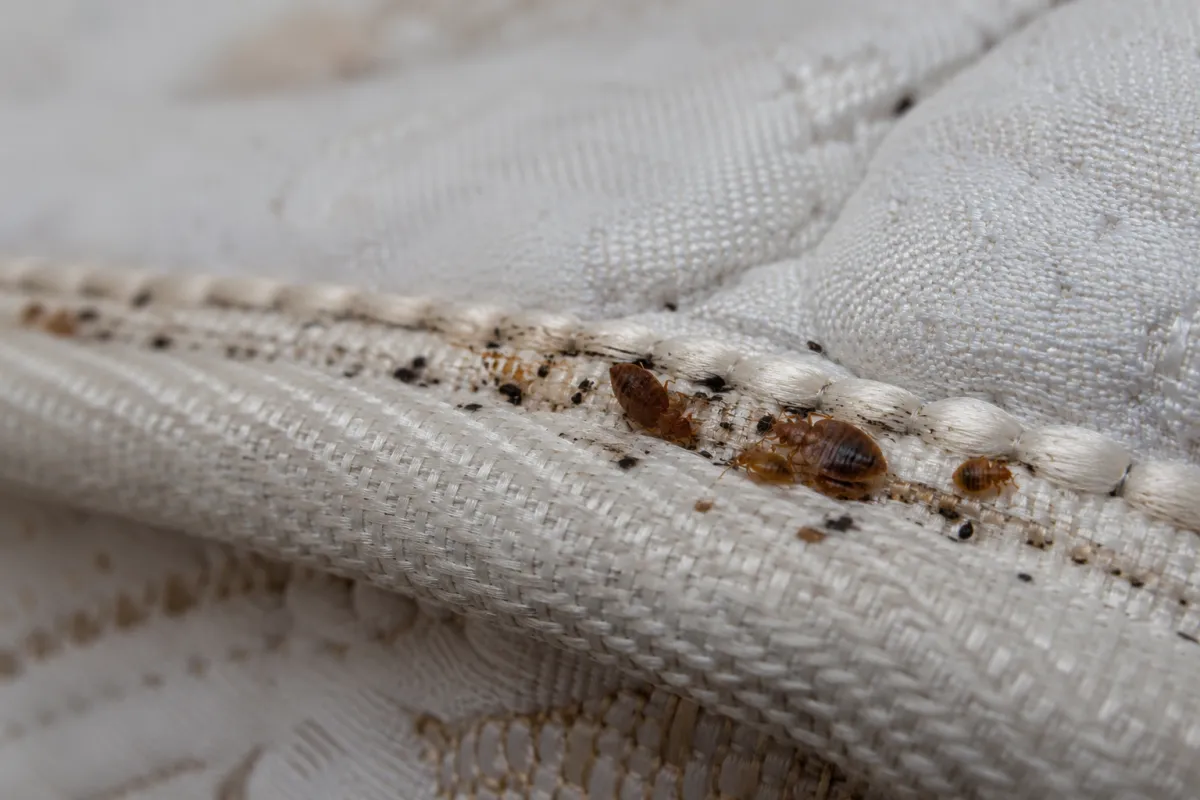 Bed bug treatmentInspection and treatment for bed bugs in homes, rented rooms and accommodation, with clear preparation advice.
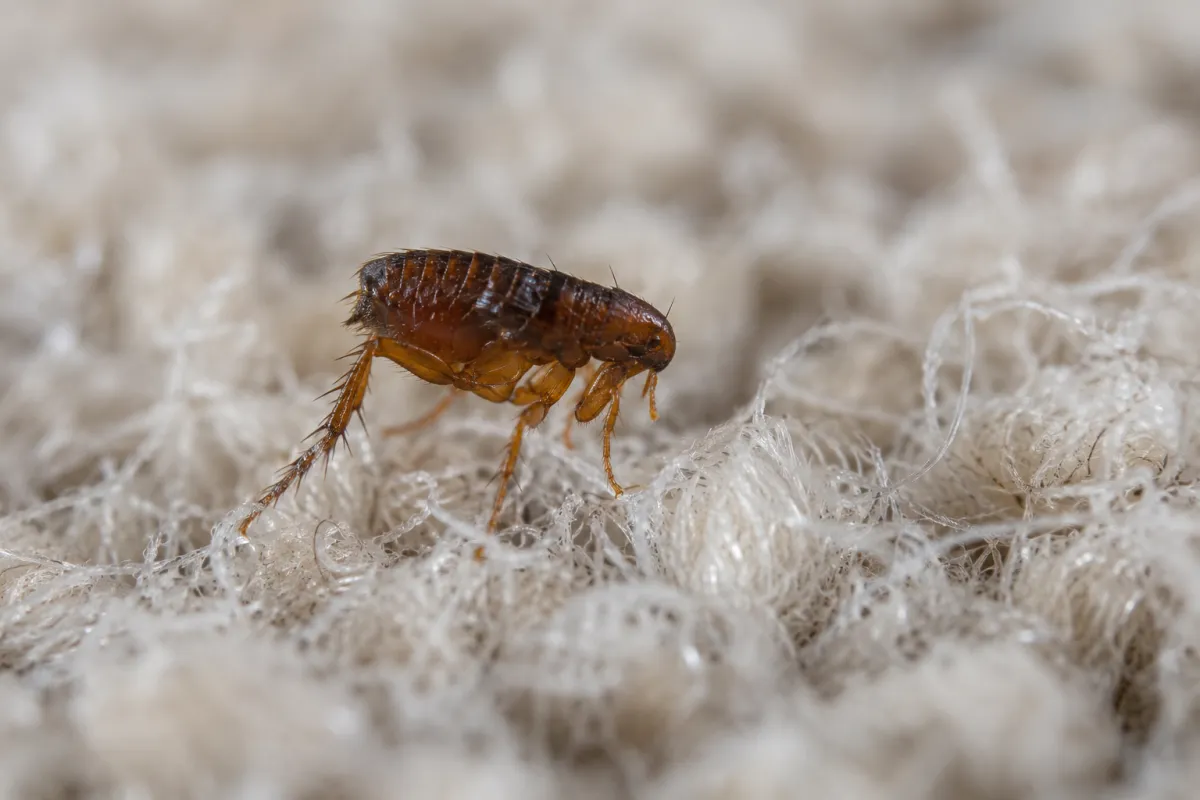 Flea treatmentTreatment for fleas in carpets, furniture and bedding, with pet care and preparation advice.
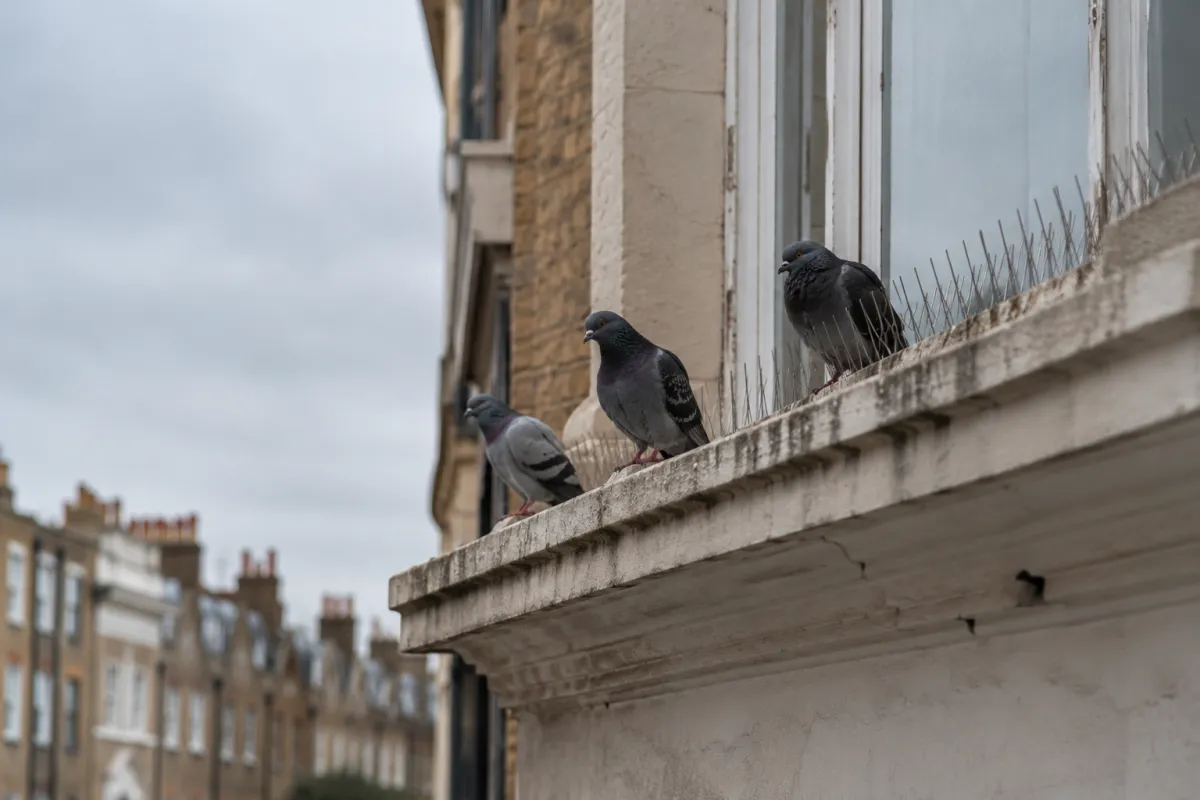 Bird controlSurvey and advice for pigeons fouling ledges, roofs, balconies and shopfronts, with a quote on request.
Let’s talk about the problem.
Tell us what you’ve seen, the property type and your postcode.