There are many species of rodent, including squirrels, chipmunks, beavers, prairie dogs, rats and mice.
Rodents in the wild
Rodents native to the United Kingdom play an important role in the health of grassland and woodland, and are a major source of food for many predators and scavengers, including birds of prey and foxes.
However, some types of rodent, especially non-native species such as the Norway (brown) rat, the roof (black) rat and the house mouse, are pests when they infest houses, threaten public health and destroy property. They can damage or destroy important habitats, native plants and animals, crops, property and food supplies.
Why control rodents?
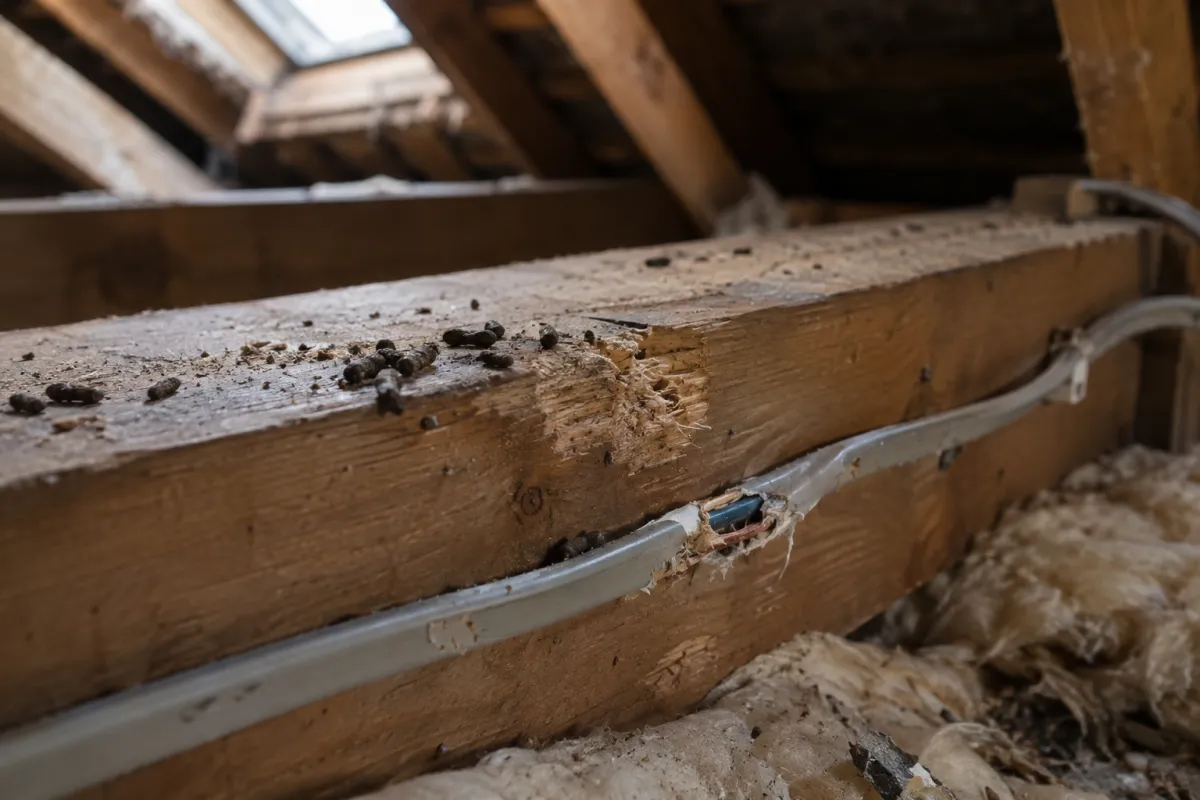
Each year, rodents cause significant damage to property, crops and food supplies across the UK. Our guide to rodent damage to wiring, pipes and insulation looks at the damage they do inside buildings.
As well as damaging property, rodents can spread diseases, which poses a serious risk to public health. Rodent-borne diseases can be passed to humans:
- directly, through bite wounds
- by eating food or drinking water contaminated by rodent droppings and other waste, or by breathing in dust contaminated by them
- indirectly, through ticks, mites and fleas that pass the infection on to humans after feeding on infected rodents
What you can do to prevent rodent infestations
The most important steps in eliminating and preventing rodent infestations are:
- keeping living spaces clean
- stopping rodents from getting in
- getting rid of places where they could nest
If you need help with rats or mice, our rodent control service explains how a treatment works.