Flea treatment in Barking and Dagenham
Treatment for fleas in carpets, furniture and bedding, with pet care and preparation advice. We cover homes, rented properties and businesses across Barking and Dagenham, including Barking, Barking Riverside, Upney and Becontree.
Where fleas turn up in Barking and Dagenham
Victorian terraces and interwar cottage estates in Barking, Becontree and Dagenham
Fitted carpets, suspended timber floors and gaps along skirting boards give flea larvae sheltered places to develop in older houses.
Semi-detached houses with gardens in Chadwell Heath and Upney
Pets that spend time under decking, in sheds or among shrubs can pick up fleas there and carry them straight into the house.
New apartment blocks in Barking town centre and Barking Riverside
Warm, carpeted flats with indoor cats give fleas ideal conditions all year, and eggs build up wherever pets sleep and rest.
Homes near parks and country parks in Dagenham, Becontree and Chadwell Heath
Shaded spots where foxes and other animals rest can hold developing fleas, so dogs walked through them may bring fleas home.
Signs to look for
Bites on ankles
Small, itchy red spots, often in groups on the ankles and lower legs, where fleas jump up from the floor.
Pets scratching
Cats or dogs scratching, biting at their fur or losing hair, particularly around the neck and the base of the tail.
Flea dirt
Black specks in pet bedding or fur that turn reddish-brown on damp white paper, because they contain digested blood.
Jumping insects
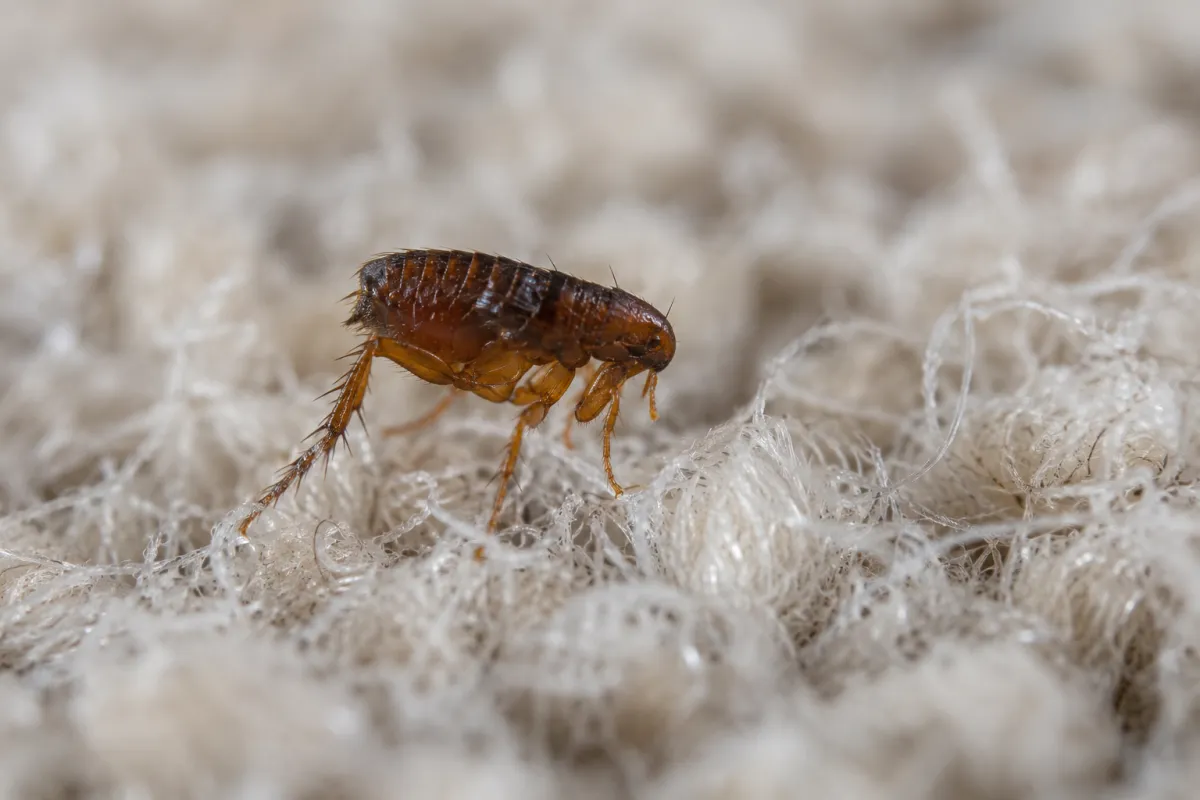
Tiny dark brown insects around 2–3 mm long that jump onto pale socks or trousers as you walk across a carpet.
How it works
Tell us what you’ve seen
Call or email with the pest, the type of property and your postcode. A technician can explain the process before anyone visits.
Find the source
The visit starts with the signs: identifying the pest, where it is nesting and how it is getting in.
Treat the problem
Treatment uses professional-use products and methods chosen for the pest and the property, with clear safety advice.
Keep it from coming back
You get advice on proofing and hygiene. Businesses can choose one-off visits or a regular service programme.
Local pages in Barking and Dagenham
Further reading
Let’s talk about the problem.
Tell us what you’ve seen, the property type and your postcode.