Mite control in Havering
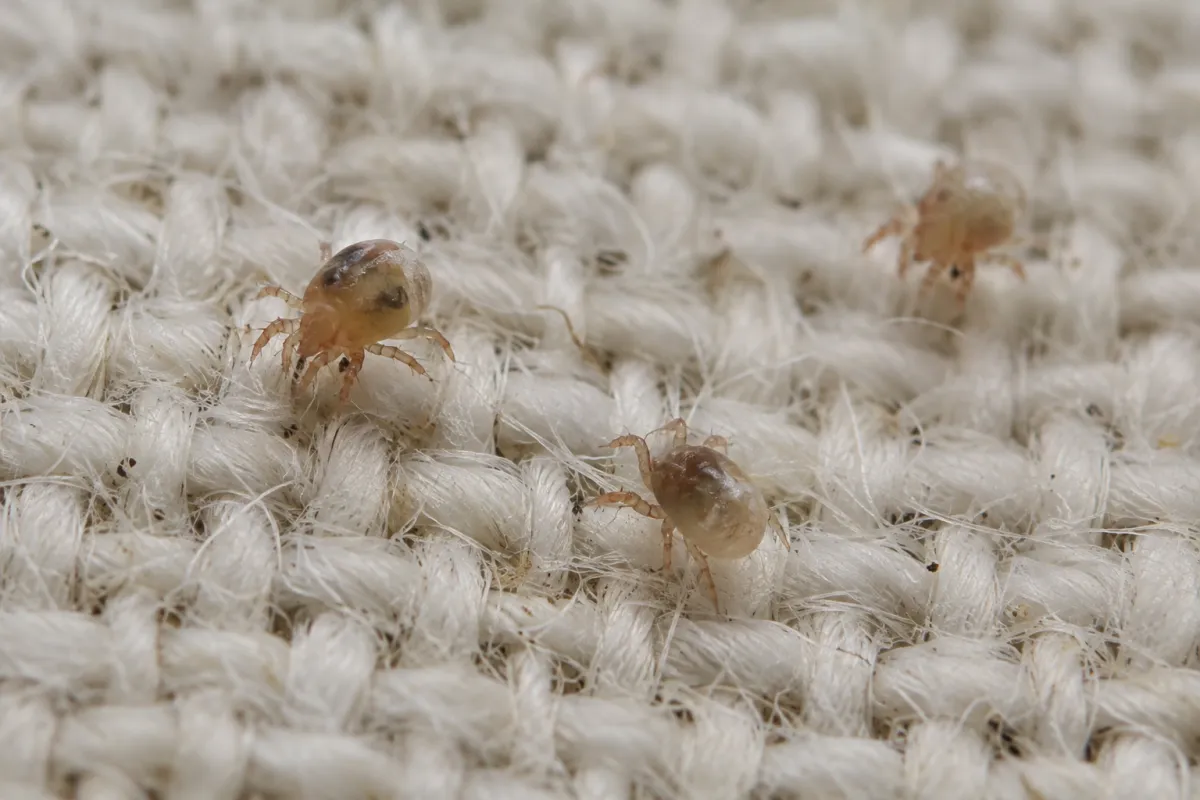
Identify flour, bird and clover mites and other stored product pests, then deal with the source. We cover homes, rented properties and businesses across Havering, including Romford, Gidea Park, Hornchurch and Elm Park.
Where mites turn up in Havering
Detached and semi-detached houses with gardens in Upminster, Hornchurch and Gidea Park
Lawns and plants growing right up against the house let clover mites climb onto sunny walls and windowsills each spring.
Interwar and post-war terraced houses in Harold Hill, Collier Row and Elm Park
Pigeons and starlings nesting under roof tiles and in the eaves can leave bird mites behind, which then wander into the bedrooms below.
Market stalls, shopping centres and high streets in Romford and Hornchurch
Warehouses and stockrooms holding dry goods, pet food or bird seed can harbour mites and stored product beetles in slow-moving stock.
Restaurants, bars and takeaways in Romford, Hornchurch and Upminster
Flour, grain, spices and animal feed kept in warm, humid storerooms can support flour mites and other stored product pests in food businesses.
Signs to look for
Moving dust in food
Fine, pale brown dust on flour, cereal or pet food packets that seems to move when you look closely.
Sweet, minty smell
A sickly, minty odour from flour or grain, a common sign of flour mites.
Red specks on windowsills
Tiny bright red mites on sunny walls and windowsills in spring, which leave a red stain when crushed.
Bites after birds nest
Itchy bites and tiny moving specks near windows, ceilings or vents after birds have nested in the roof or eaves.
How it works
Tell us what you’ve seen
Call or email with the pest, the type of property and your postcode. A technician can explain the process before anyone visits.
Find the source
The visit starts with the signs: identifying the pest, where it is nesting and how it is getting in.
Treat the problem
Treatment uses professional-use products and methods chosen for the pest and the property, with clear safety advice.
Keep it from coming back
You get advice on proofing and hygiene. Businesses can choose one-off visits or a regular service programme.
Local pages in Havering
Further reading
Let’s talk about the problem.
Tell us what you’ve seen, the property type and your postcode.