Rats in the garden
How to tell whether rats are living in your garden or just passing through, what's feeding them, and how to deal with them safely.
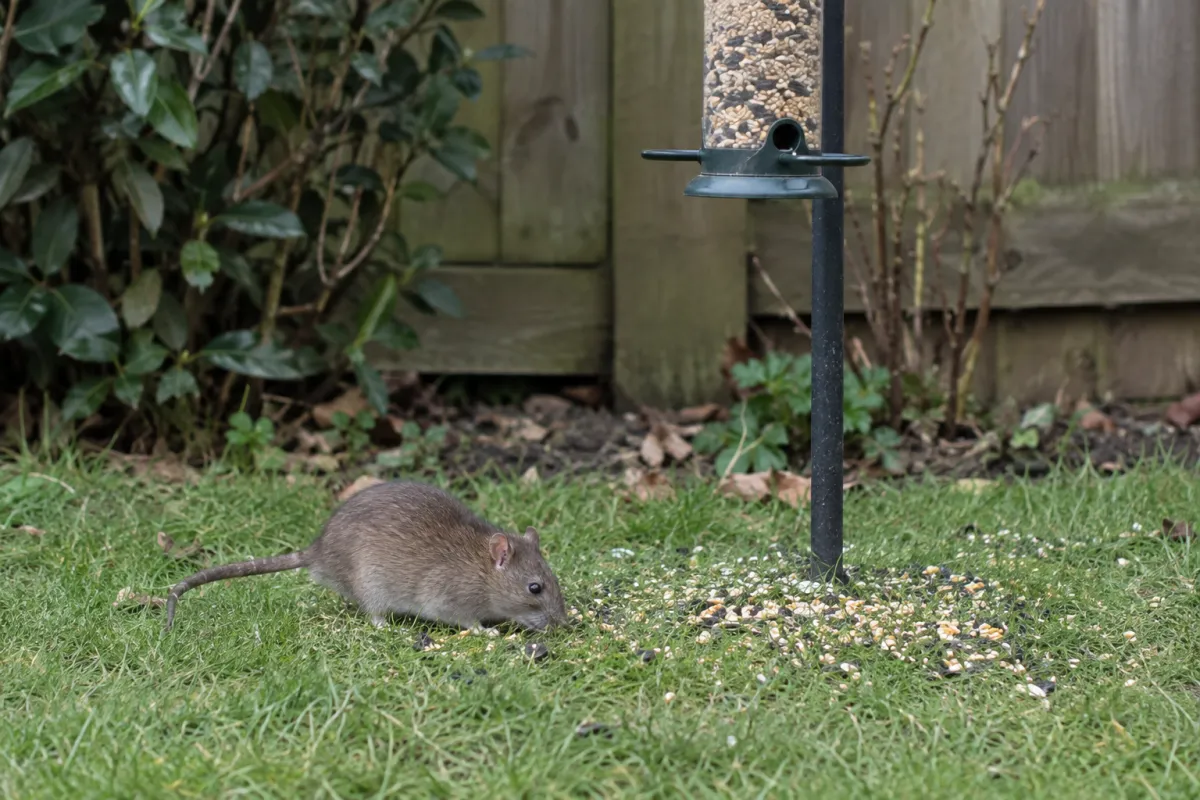
Seeing a rat in the garden doesn't always mean you have a problem. Brown rats are common across East London and pass through gardens at night on their way to food. It becomes a problem when they settle: digging burrows, using the same runs every night and feeding on something you're providing without realising. The aim is to work out whether they're living in your garden or just visiting, then take away whatever is keeping them there.
Reading the signs in a garden
- Burrows. Rats dig into soft soil where there's cover overhead: under sheds, decking, paving slabs, compost bins, hedges and along the base of fences and walls. An active hole has smooth, polished edges, fresh soil fanned out in front, and no cobwebs or leaves in the entrance. A burrow usually has more than one hole, including a bolt hole hidden in cover.
- Runs. Rats keep to the edges. Look for narrow, flattened paths through the grass along fence lines, and dark rub marks where they squeeze under a gap or over a wall.
- Droppings. Usually in small groups near where they feed, such as under bird feeders, beside the compost bin or by a chicken run.
- Gnawing. Chewed corners on compost bins, shed doors and plastic storage boxes, and holes in the bottom of bin bags or the food caddy.
To check whether a burrow is in use, loosely plug the entrance with soil or a ball of newspaper. If it's been opened up again within a day or two, rats are using it.
What's drawing them in
In most gardens the cause is food, and it's usually something you can change.
- Bird food. Seed spilled under feeders is the most common draw. Use feeders with seed trays, put out only what birds will clear in a day, and hang feeders over paving you can sweep rather than over lawn or soil. If rats are already feeding there, stop feeding the birds for a few weeks.
- Compost. Rats nest in warm, undisturbed compost and feed on scraps. Keep cooked food, meat, fish, dairy and bread out of it, turn it regularly, keep it damp, as rats prefer a dry heap, and stand the bin on fine wire mesh.
- Pets and chickens. Feed left in hutches, runs and bowls overnight feeds rats too. Keep feed in metal bins, use feeders that close, and clear up spilled feed before dark.
- Waste. Split bin bags, overflowing food caddies and dog mess all feed rats. Keep bins and caddies shut and clean.
- Fruit and water. Windfalls, ponds and open water butts give rats food and drink. Pick up fallen fruit and fit lids to water butts.
Shelter matters too. Clear piles of timber, bricks and rubbish, cut back overgrown corners, and close the gap under decking or a raised shed with galvanised mesh, buried a little way into the ground so rats can't dig under it.
Dealing with rats that have settled
Removing the food comes first. Once rats have nothing easy to eat, traps and bait work far better.
- Traps must go inside a tunnel or box so birds, hedgehogs and pets can't reach them. Place them along the runs and next to burrows.
- Poison. Use only amateur products, inside a tamper-resistant bait box that's fixed down so it can't be moved, placed beside burrows or runs rather than in open ground. Never drop loose bait into a burrow. Poisoned rats can be eaten by foxes, owls and pets, so check the boxes often and remove all bait once activity stops.
- Filling burrows. Once the holes have stayed closed for a couple of weeks, collapse the burrows, fill them with soil and firm it down.
Don't flood burrows with a hose or pour chemicals into them. Rats have several exits and simply move, and these methods put you, your pets and wildlife at risk.
When rats are close to the house
Burrows dug against the house wall, beside a drain cover or along the line of a drain deserve a closer look. Rats often burrow down to a cracked or broken drain, and that drain can lead them under the floor and into the house. Our page on rats in drains explains what to look for. Check any air bricks near a burrow too, as a broken one gives rats a way into the void under a timber floor.
Rats range across several gardens, so if a neighbour is feeding birds heavily, keeping chickens or has an open compost heap, a friendly conversation often does more than anything you can do alone.
When to get help
It's worth calling a professional if you see rats in daylight, there are burrows against the house, several neighbours have the same problem, or you have children or pets and would rather not use poison yourself. The rat control page explains what treatment involves, and our guide to rats has more on their habits.
If rats have moved into your garden and you'd like help, call Mighty Pest Control on 020 7112 8473.