Keeping mice and rats out this winter
As the weather cools, mice and rats look for shelter indoors. A practical checklist for finding and sealing entry points before they settle in.
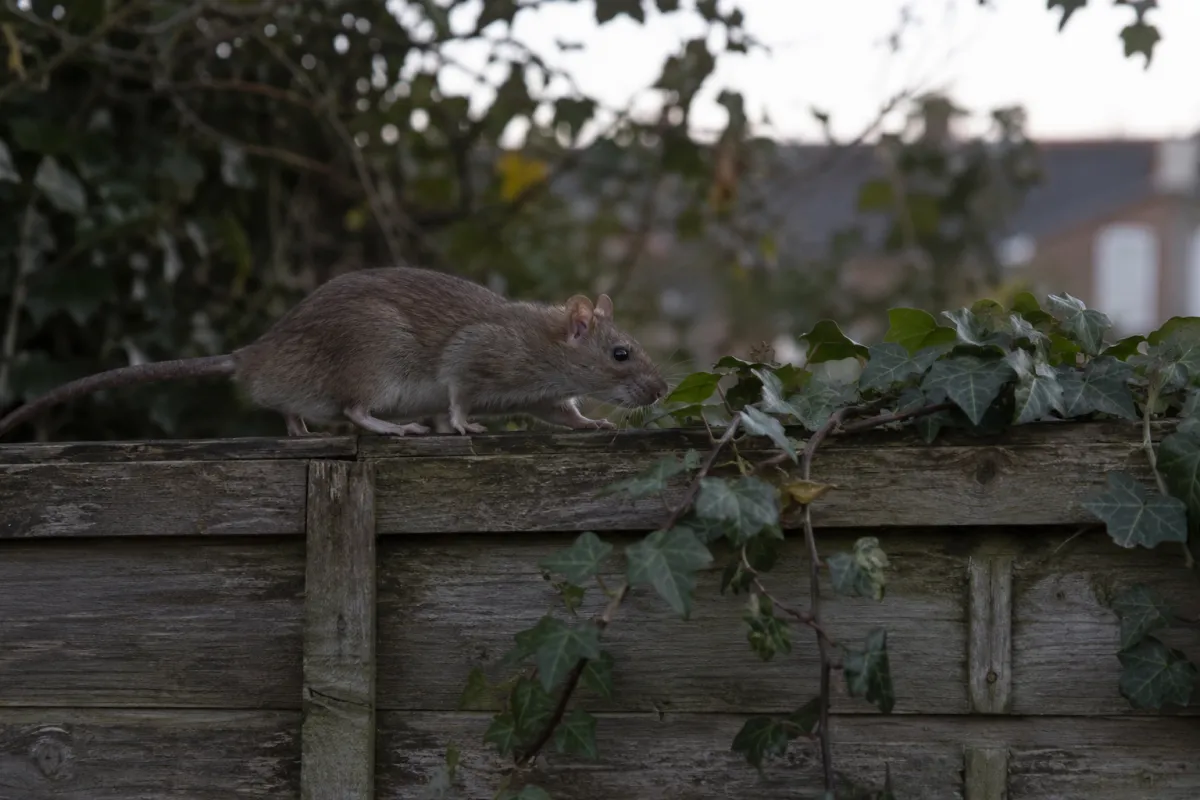
Mice and rats are around all year, but many households first notice them in autumn and winter. As temperatures drop and food outside becomes harder to find, rodents look for warm, sheltered places close to something to eat, and a house with a few gaps offers all of that. The best time to proof a home is before they move in, and most of the work is straightforward.
How mice and rats get in
Rodents can squeeze through much smaller gaps than most people expect. A mouse can get through a gap of around 6 mm, about the width of a pencil, and a young rat through one of around 15 mm.
In East London's Victorian and Edwardian terraces, and in the flats many of them have been converted into, the usual entry points are:
- gaps under external doors, especially back and side doors
- holes where pipes and cables come through walls, such as behind the boiler, washing machine and sink, and around gas and electricity meters
- broken or missing air bricks and damaged vent covers
- crumbling mortar and gaps in old brickwork, particularly at ground level
- gaps at the eaves and roofline, which rodents can reach by climbing ivy, drainpipes or rough brickwork
- damaged drains, a common route for rats in particular
- shared voids under floors and in lofts, which connect neighbouring homes
A winter-proofing checklist
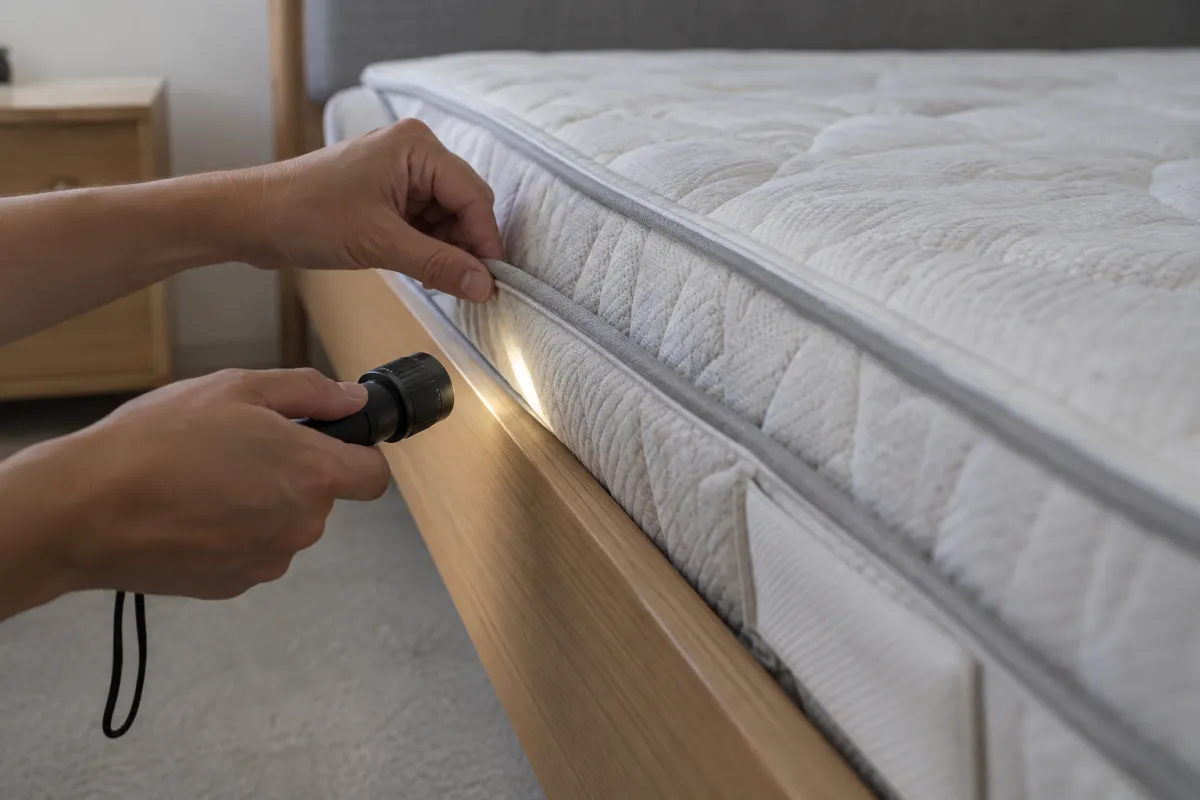
Work round the outside of the house first, then check inside, starting with the kitchen.
Doors
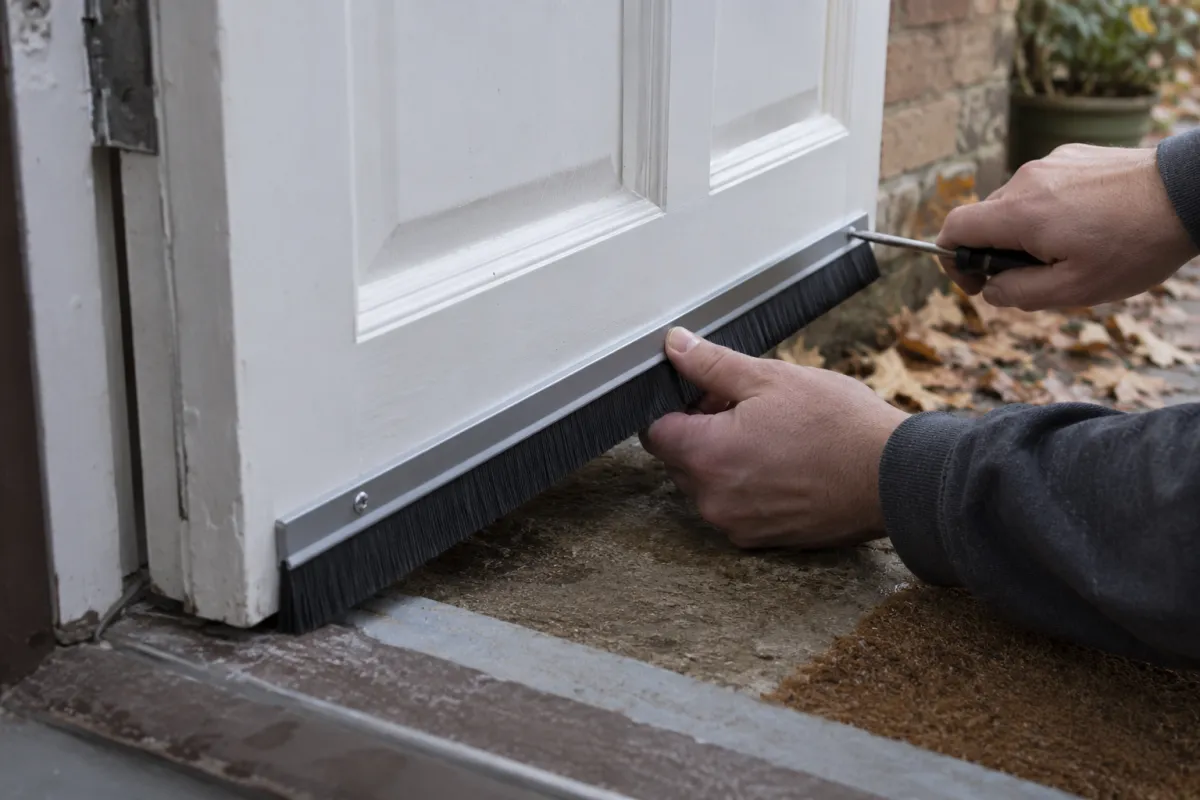
- Fit a brush strip or door sweep to the bottom of external doors so there's no daylight showing underneath. They are inexpensive and usually only need a screwdriver to fit.
- Check that garage and shed doors close fully and aren't damaged at the base.
Pipes, cables and walls
- Pack small holes around pipes and cables tightly with wire wool, then seal over it with filler, mortar or a suitable sealant. Rodents find wire wool hard to chew through, and the filler holds it in place.
- Don't rely on expanding foam or silicone on their own. Mice and rats can chew straight through them.
- Repoint crumbling mortar at the base of walls.
Air bricks and vents
- Replace broken air bricks and fit fine metal mesh or rodent-proof covers to vents. Never block air bricks completely: they ventilate the space under suspended floors and help prevent damp.
Roofline and garden
- Cut back ivy, climbing plants and branches that give rodents a route up to the eaves. The same gaps at the roofline can also let grey squirrels into lofts.
- Keep a clear strip along the base of the walls, without stacked wood, rubbish or overgrown plants for cover.
- Store bird food in metal containers, use feeders with trays and clear up spilled seed, which is a common draw for rats.
- Use compost bins with lids and, where possible, a fine mesh base. Keep cooked food, meat and dairy out of them.
- Keep bin lids closed and bin areas tidy.
Inside the home
- Pull out the cooker, fridge and washing machine and check the walls and floor behind them.
- Remove the kitchen plinths and look for holes behind the units.
- Store cereals, rice, flour and pet food in sealed containers.
- Don't leave pet food down overnight.
Drains and rats
If rats keep appearing indoors and you can't find a gap, look at the drains. Rats live in sewers and can get into homes through cracked or broken pipes, old connections left open after building work, or poorly sealed inspection chambers.
A drainage specialist can carry out a CCTV survey to find defects. Once any damage is repaired, a non-return valve, sometimes called a rat blocker, can be fitted to stop rats travelling up from the sewer.
Deal with existing activity first
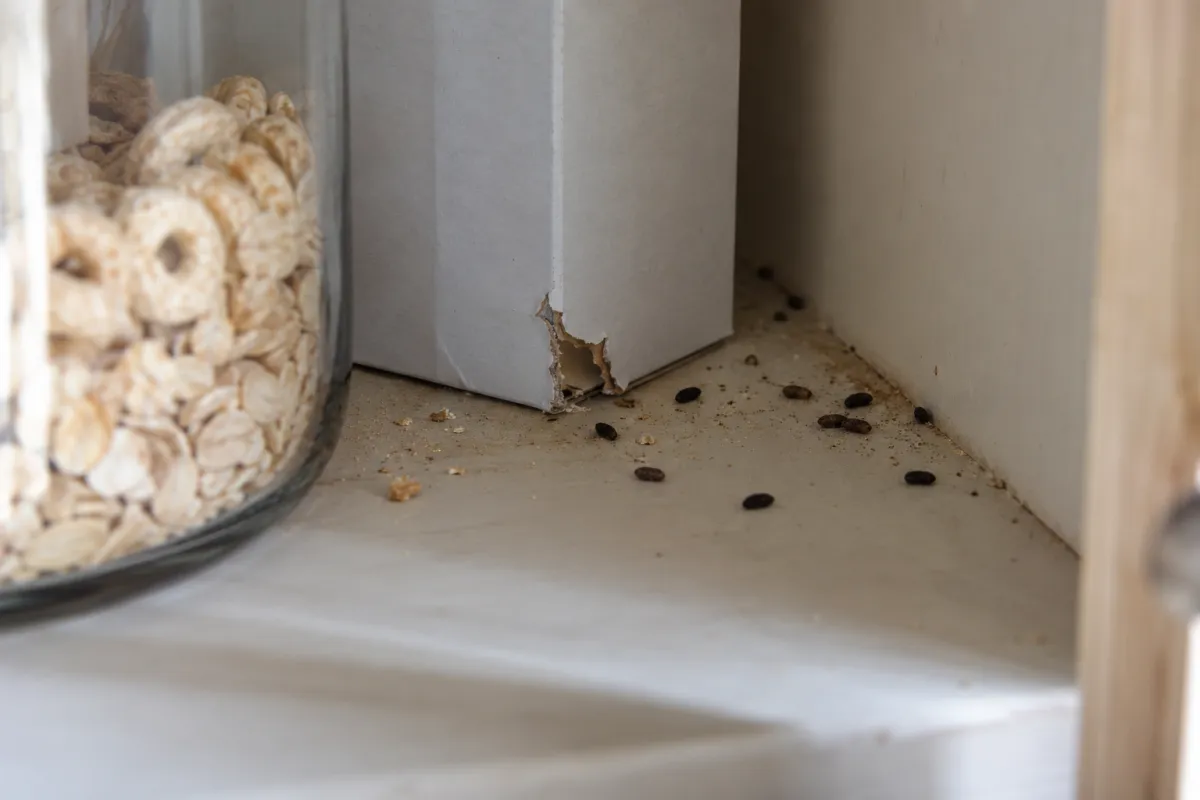
Proofing works best when rodents aren't already inside. If you're finding droppings, gnawed packaging or hearing scratching at night, deal with the animals already there before sealing everything up. Blocking entry points while rodents are still living inside can leave them trapped in wall cavities and under floors, and they may simply gnaw a new way out.
It's worth calling a professional if you've found signs indoors, can't work out how they're getting in, or suspect a drain problem. A good visit should cover both treatment and proofing advice. There's more detail on our mice control and rat control pages.
If you'd like someone to check your home for entry points before the colder weather sets in, call Mighty Pest Control on 020 7112 8473.