Fly control in East London
Flies are a sign of something nearby that they are breeding in, whether that is a bin, a drain, rotting food or a dead animal. The species tells you where to look: house flies and bluebottles breed in waste, while cluster flies shelter in lofts over winter. We identify the fly, find the source and advise on treatment and prevention for homes and business premises.
What flies look like
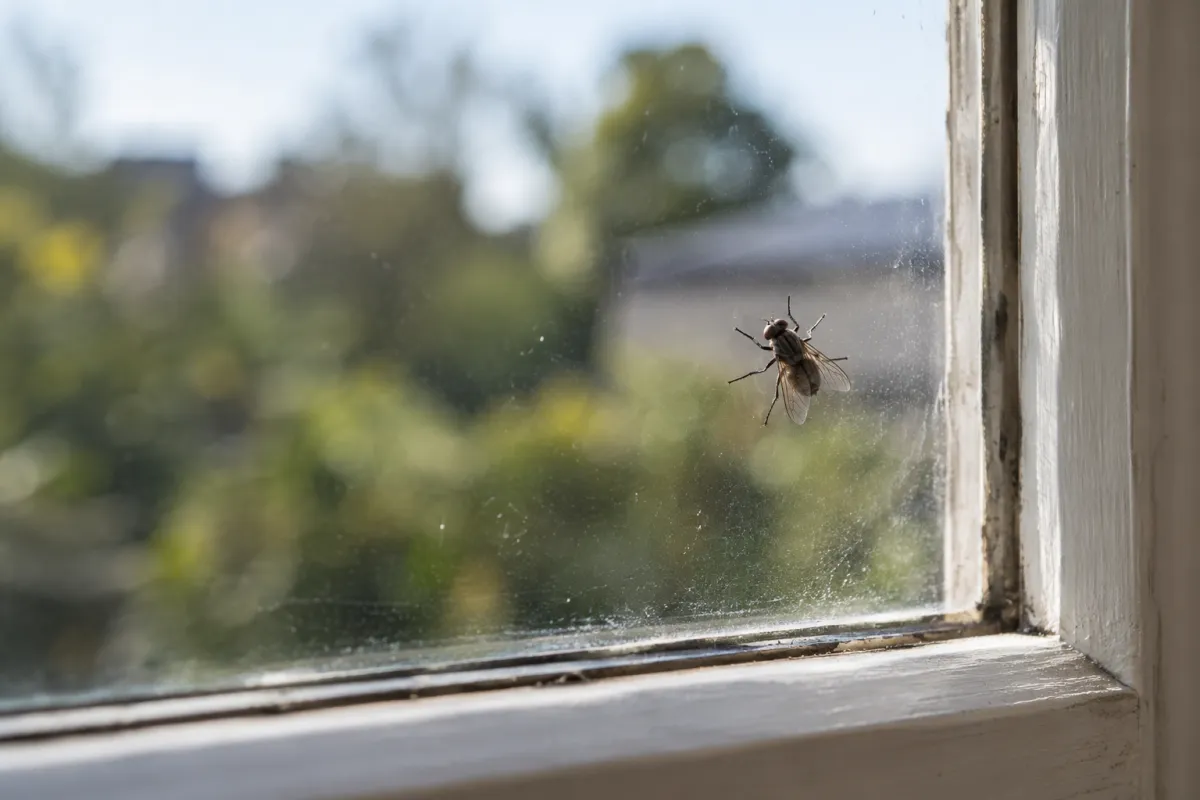
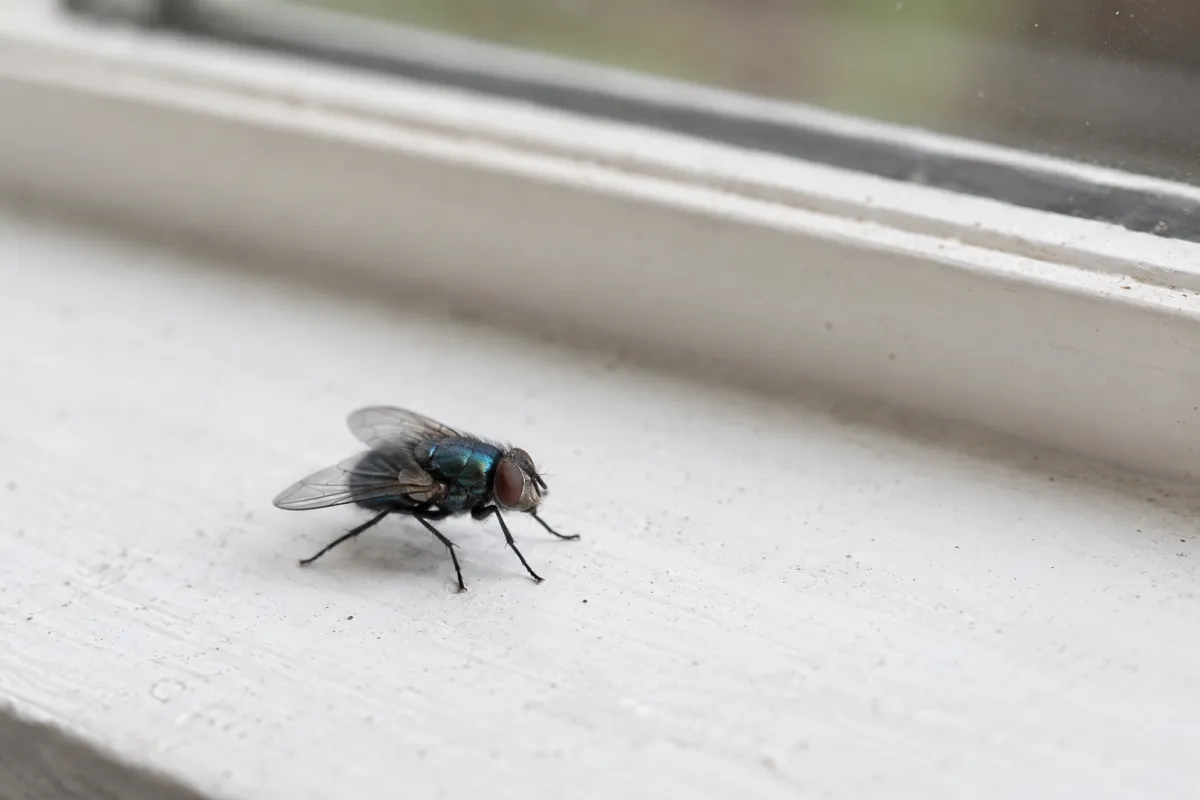
The house fly is about 6–7 mm long and grey, with four dark stripes down its back and reddish eyes. The bluebottle is bigger and louder, with a shiny metallic blue body, and the greenbottle is similar but bright metallic green. Cluster flies are a little bigger than house flies, dull and slow, with golden hairs on the body and wings that overlap when they rest.
- Size
- House fly about 6–7 mm; bluebottle around 1 cm or more
- Colour
- House fly dull grey; bluebottle shiny metallic blue
- Breeding
- Egg to adult in as little as a week in summer
- Lifespan
- Adults usually live around two to four weeks
- Diet
- Rotting food, waste, faeces and anything sugary
Signs of flies
Flies in one room
Flies appearing again and again in the same room can mean they are breeding close by, in a bin, drain or hidden food waste.
Maggots near waste
Pale larvae in or around bins, food waste or pet waste, especially in warm weather.
Sudden bluebottles
Large numbers of bluebottles appearing indoors all at once can point to a dead mouse, rat or bird under the floor or in a wall.
Clusters at loft windows
Sluggish flies gathering in upper rooms and at loft windows in autumn, or reappearing on warm days in late winter and spring.
Fly spots
Small dark specks on walls, light fittings and windows where flies rest.
Life cycle and breeding
Flies breed fastest in warm weather. In high summer, house flies can go from egg to adult in around a week, so one smelly bin can soon be producing a steady supply.
Eggs
A female lays batches of around 100 tiny white eggs on rotting food, waste or a dead animal, and several hundred in her lifetime.
Maggots
The eggs hatch within a day into maggots, which feed for several days and grow quickly.
Pupae
Fully grown maggots crawl away to a drier spot, often under the bin or into a crack in the paving, and turn into hard brown cases.
Adults
New flies push out a few days later. In warm weather they can start laying eggs of their own within a few days.
Where flies live and how they get in
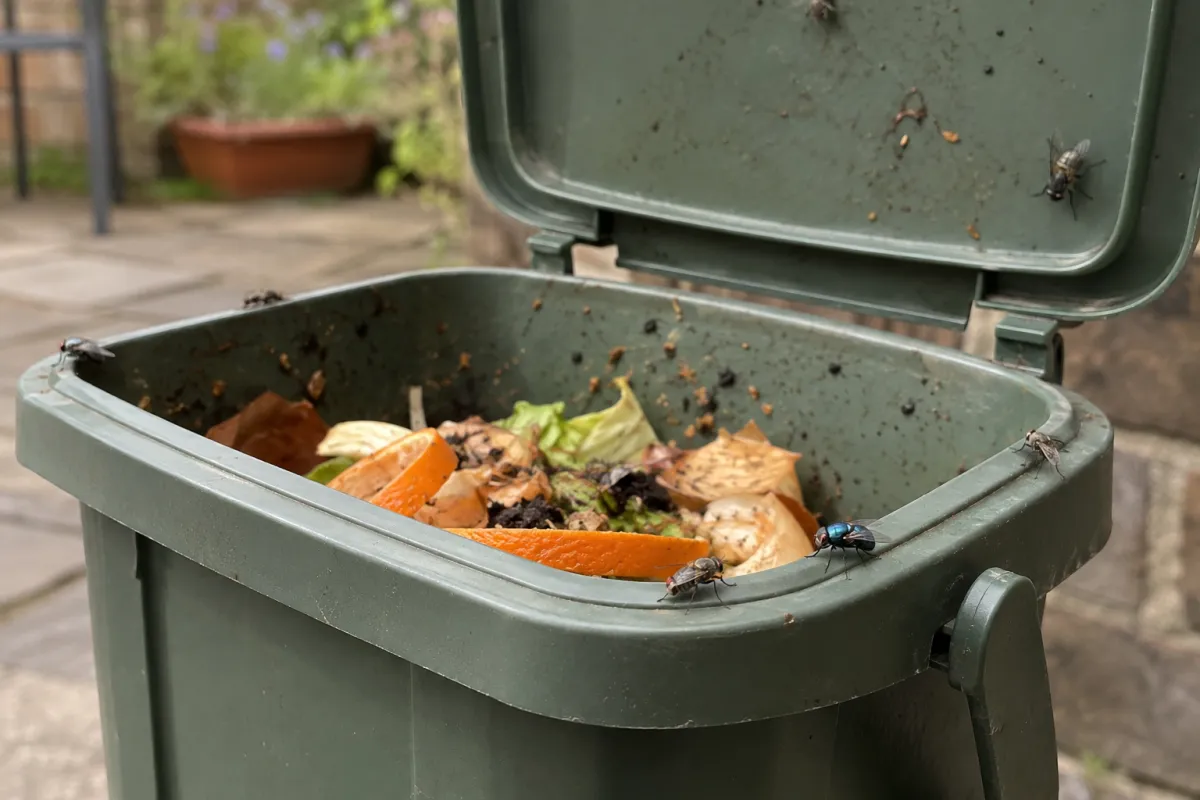
House flies and bluebottles live wherever something is rotting: wheelie bins, food caddies, compost, dog mess and the bin stores behind shops and takeaways. Indoors they spend most of their time resting on ceilings, light fittings and window frames rather than flying about. Cluster flies are different, as their young live in the soil feeding on earthworms, and the adults only come indoors to see out the winter.
- They come in through open windows and doors, following cooking and bin smells.
- They get in through gaps around extractor fans, air vents and badly fitting window frames.
- Cluster flies crawl into lofts and upper rooms in autumn through gaps at the eaves and under tiles.
- They hatch indoors from eggs laid in a bin, forgotten food or a dead mouse under the floor.
- Fruit flies often arrive as eggs on fruit and veg brought home from the shops.
Why it matters
In a home or rented flat
Flies move between waste and food, carrying bacteria on their feet and bodies that can cause food poisoning. Large numbers indoors are also unpleasant and can point to a hidden problem such as a dead animal or a blocked drain.
For landlords and businesses
Flies in a kitchen, food store or café can contaminate food and are a common cause of complaints and enforcement by environmental health officers. Bin stores and loading areas behind shops and offices can breed flies in numbers if waste is not managed.
How fly control works
Identifying the fly
We identify the species, because house flies, bluebottles, cluster flies and small drain or fruit flies all breed in different places.
Finding the source
We trace the breeding site, such as bins, drains, food waste, a carcass or a roof space, since removing it is the key to control.
Targeted treatment
Where treatment is needed, it is aimed at the breeding and resting areas found, such as the roof spaces where cluster flies gather.
Prevention advice
We advise on waste handling, drain cleaning, cleaning routines and proofing to stop flies breeding or getting inside again.
What you can do yourself
Find the source first
Look for maggots or a smell under the bin, inside the caddy lid, behind the fridge and in the recycling. Spraying the flies you can see won't help while something nearby is hatching more.
Deal with maggots
Scoop maggots into a sealed bag for the outside bin, then scrub the bin or caddy with hot soapy water and let it dry before using it again.
Catch the adults
Hang sticky fly papers near windows, away from where you prepare food, and replace them as they fill. If you use a fly spray, follow the label and keep it off food and worktops.
Hoover up cluster flies
Cluster flies at a loft or bedroom window are slow and don't breed indoors, so a vacuum cleaner is usually all you need until spring.
Prevention
- Keep bin lids closed, double-bag food waste in warm weather and clean bins regularly.
- Clear food waste and pet waste promptly, and never leave food uncovered.
- Fit fly screens to kitchen windows and doors that are left open in summer.
- Keep drains and sink traps clean to stop small flies breeding in the build-up.
- Seal gaps around windows, eaves and roof spaces to reduce cluster flies getting in during autumn.
Most flies peak from June to September, while cluster flies gather in lofts in autumn and reappear on warm days in late winter and spring.
Common myths
Myth: Only dirty homes get flies.
The truth: A spotless kitchen can still get flies from a bin outside the back door or a dead mouse under the floor. The source is often somewhere you'd never think to clean.
Myth: A bag of water by the door keeps flies away.
The truth: There's no good evidence it works. Fly screens and dealing with whatever they're breeding in are what make the difference.
Myth: Flies only live for a day.
The truth: Most house flies live for a few weeks, and a female can lay hundreds of eggs in that time.
Questions about flies
Why do I suddenly have lots of bluebottles?
A sudden rise in bluebottles indoors often means something has died nearby, such as a mouse, rat or bird under the floor, in a wall or in the loft. The flies usually stop once the carcass has dried out or been removed, but it is worth finding the cause.
What are the slow flies in my loft in autumn?
They are likely cluster flies, which gather in lofts and upper rooms to spend the winter. They do not breed indoors, but they can build up in large numbers and often come out on warm days in late winter and spring.
Where are the tiny flies in my kitchen coming from?
Tiny flies are usually fruit flies breeding in overripe fruit, food waste or recycling, or drain flies breeding in the slime inside sinks and drains. Removing the breeding material works better than treating the adults alone.
Do flies spread disease?
Yes. House flies and bluebottles feed on waste and faeces, then land on food and surfaces, carrying bacteria that can cause food poisoning. Covering food and keeping waste sealed is the simplest protection.
Further reading
Related services
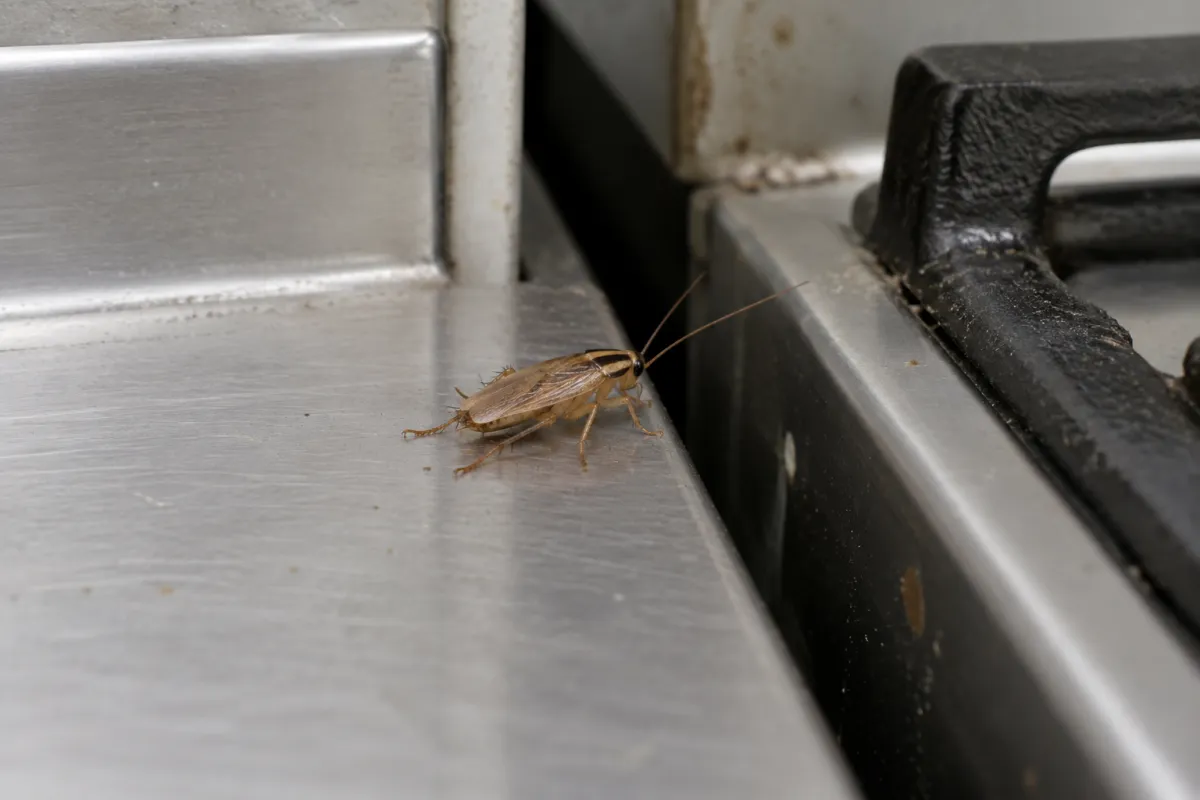 Cockroach controlIdentify and treat German and Oriental cockroaches in kitchens, flats, blocks and food premises.
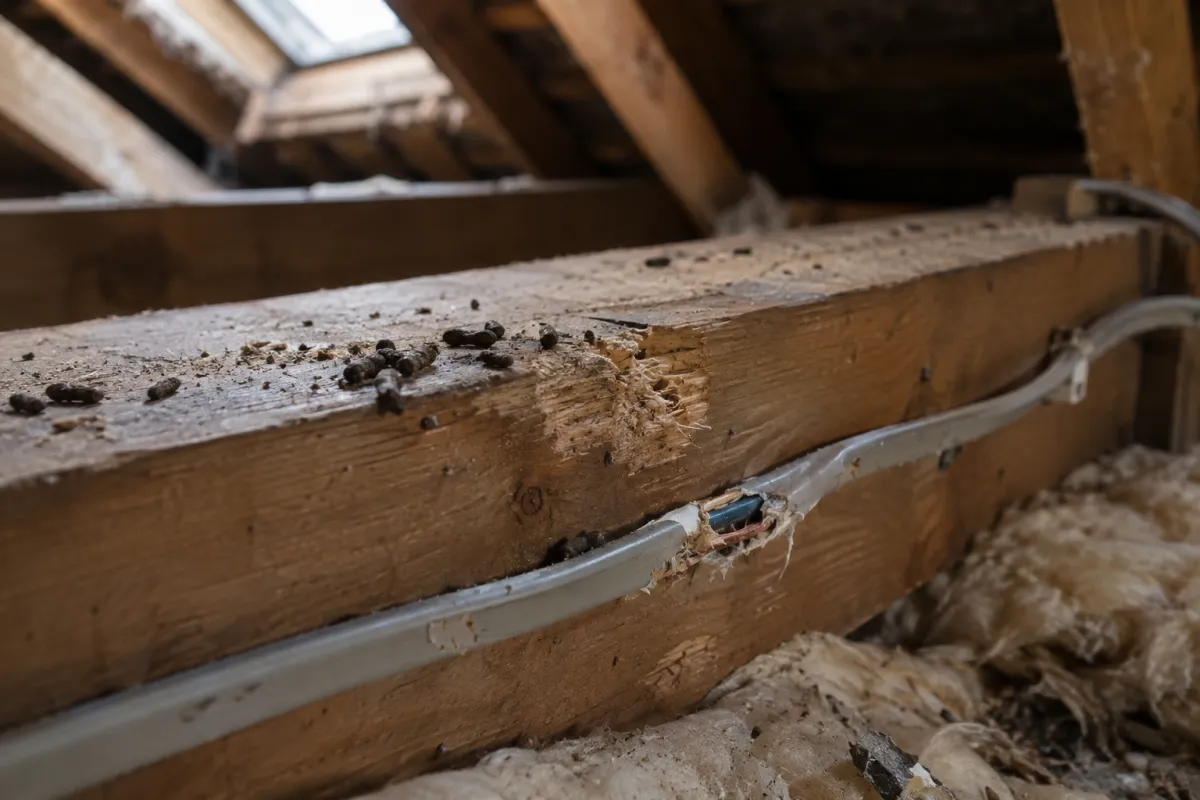 Rodent controlNot sure if it is rats or mice? We identify the rodent first, then treat and proof the building.
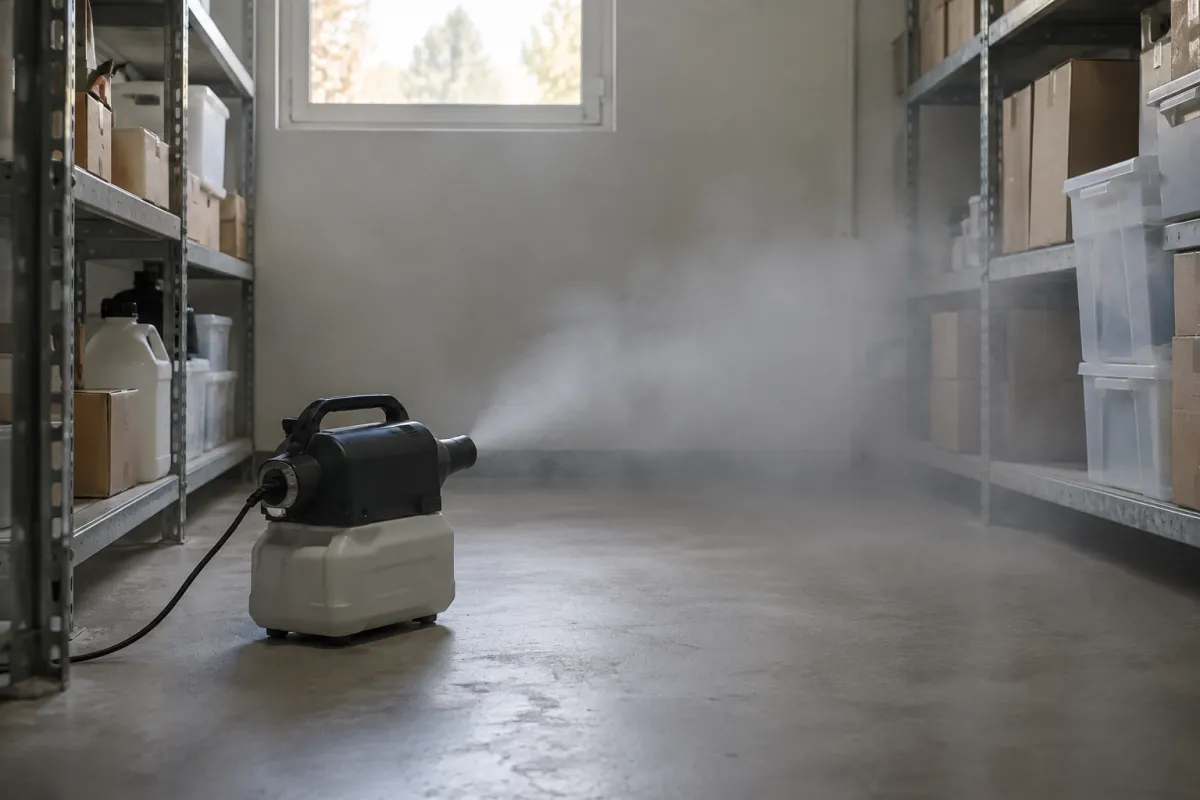 Fumigation servicesSpace treatment for widespread insects in rooms, lofts and storerooms that can be cleared and closed.
Let’s talk about the problem.
Tell us what you’ve seen, the property type and your postcode.