Fly control in Havering
Find where flies are breeding, from bins to lofts, and deal with house flies, bluebottles and cluster flies. We cover homes, rented properties and businesses across Havering, including Romford, Gidea Park, Hornchurch and Elm Park.
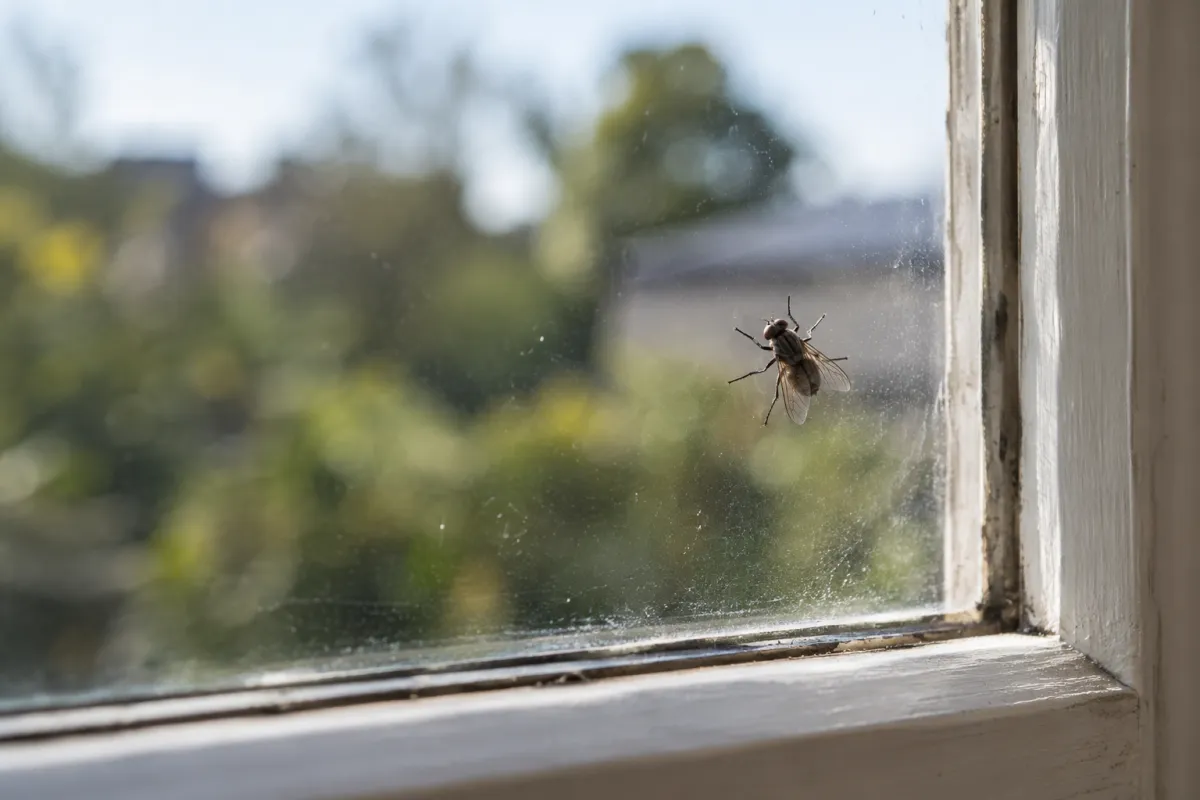
Where flies turn up in Havering
Detached and semi-detached houses with gardens in Upminster, Hornchurch and Gidea Park
Compost bins, pet waste, fallen fruit and uncovered food waste near the back door give flies breeding sites right beside the house.
Interwar and post-war terraced houses in Harold Hill, Collier Row and Elm Park
Back yards with bins, and suspended floors where a dead rodent can go unnoticed, often lead to bluebottle problems in older terraced homes.
Market stalls, shopping centres and high streets in Romford and Hornchurch
Bin stores, loading bays and doors left open in warm weather let flies into shops, offices and warehouses from the service areas behind them.
Restaurants, bars and takeaways in Romford, Hornchurch and Upminster
Food waste, deliveries and open doors draw flies into kitchens, takeaways and market stalls, where they contaminate food and surfaces.
Homes near country parks and farmland in Harold Hill, Collier Row and Upminster
Open grassland is where cluster fly larvae develop inside earthworms, so homes beside it often see adults gather in their lofts in autumn.
Signs to look for
Flies in one room
Flies appearing again and again in the same room can mean they are breeding close by, in a bin, drain or hidden food waste.
Maggots near waste
Pale larvae in or around bins, food waste or pet waste, especially in warm weather.
Sudden bluebottles
Large numbers of bluebottles appearing indoors all at once can point to a dead mouse, rat or bird under the floor or in a wall.
Clusters at loft windows
Sluggish flies gathering in upper rooms and at loft windows in autumn, or reappearing on warm days in late winter and spring.
How it works
Tell us what you’ve seen
Call or email with the pest, the type of property and your postcode. A technician can explain the process before anyone visits.
Find the source
The visit starts with the signs: identifying the pest, where it is nesting and how it is getting in.
Treat the problem
Treatment uses professional-use products and methods chosen for the pest and the property, with clear safety advice.
Keep it from coming back
You get advice on proofing and hygiene. Businesses can choose one-off visits or a regular service programme.
Local pages in Havering
Further reading
Let’s talk about the problem.
Tell us what you’ve seen, the property type and your postcode.