Rat control in Waltham Forest
Treat brown rats in and around buildings, and find the drain defects or gaps that let them in. We cover homes, rented properties and businesses across Waltham Forest, including Leyton, Lea Bridge, Leytonstone and Cann Hall.
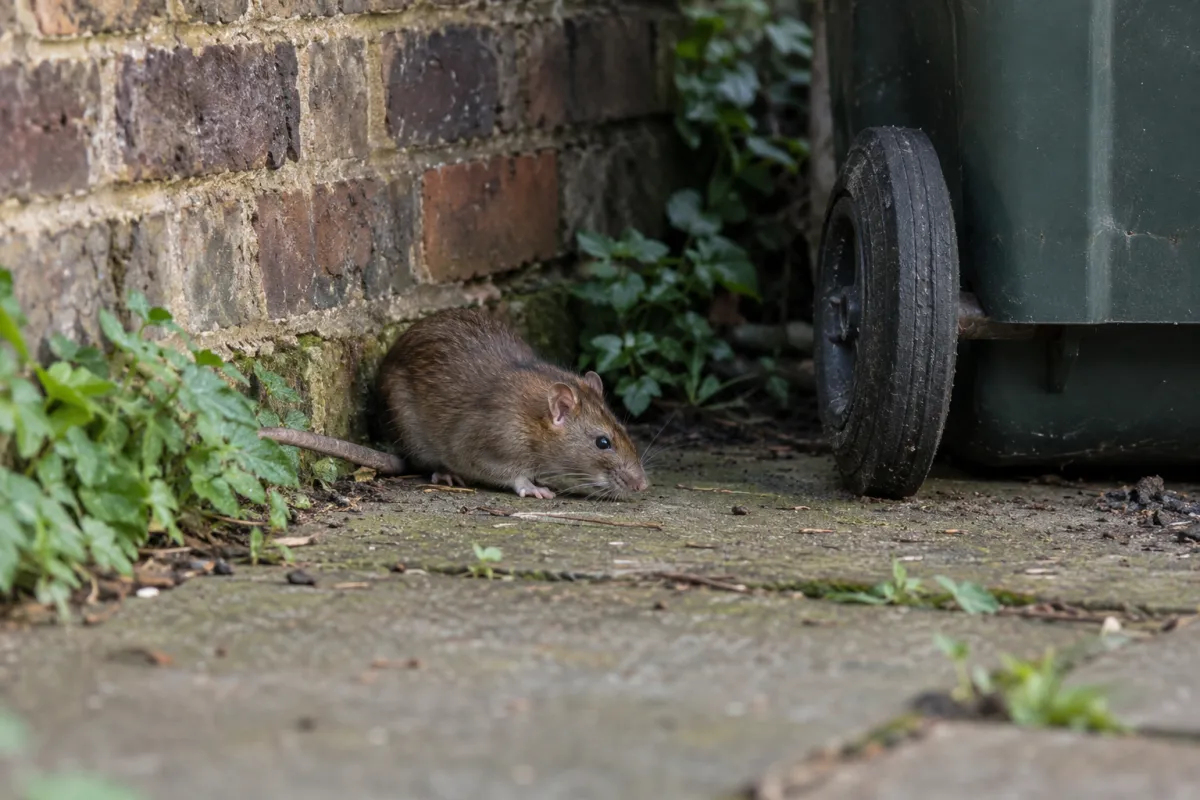
Where rats turn up in Waltham Forest
Victorian and Edwardian terraced streets in Walthamstow, Leyton and Leytonstone
Old clay drains, broken air bricks and suspended timber floors give rats routes from the sewer and back yard into older terraced homes.
Market stalls, cafés and food shops in Walthamstow High Street, Leyton and Leytonstone
Food waste, deliveries and back-of-house bin areas draw rats to restaurants, takeaways and markets, where a single sighting can threaten a hygiene rating.
Homes near the Lea Valley marshes in Lea Bridge, Leyton and Walthamstow
Riverbanks, canal edges and sewers are natural rat habitat, and brown rats swim well enough to follow drains into nearby buildings.
Streets bordering Epping Forest in Chingford, Highams Park and Leytonstone
Dense vegetation, banks that are easy to burrow into and food left by visitors support rats at the edges of parks and open spaces.
Semi-detached houses with gardens in Chingford and Highams Park
Compost heaps, bird feeders, sheds and the space under decking give rats food and nesting sites right beside the house.
Signs to look for
Large droppings
Dark, spindle-shaped droppings around 10–14 mm long, often in groups along walls, near bins or in lofts.
Burrows and runs
Holes in soil banks, under decking, sheds or paving, with worn paths through grass and greasy smears along walls where rats travel.
Gnawing damage
Chewed doors, skirting, pipes, cables or bin lids, often with rough edges and coarse tooth marks.
Noises and footprints
Heavy scratching or gnawing in walls, floors and ceilings at night, and footprints or tail marks in dust or mud.
How it works
Tell us what you’ve seen
Call or email with the pest, the type of property and your postcode. A technician can explain the process before anyone visits.
Find the source
The visit starts with the signs: identifying the pest, where it is nesting and how it is getting in.
Treat the problem
Treatment uses professional-use products and methods chosen for the pest and the property, with clear safety advice.
Keep it from coming back
You get advice on proofing and hygiene. Businesses can choose one-off visits or a regular service programme.
Local pages in Waltham Forest
Further reading
Let’s talk about the problem.
Tell us what you’ve seen, the property type and your postcode.