Cockroaches in food businesses: signs, risks and prevention
Cockroaches spread fast in warm commercial kitchens. How to spot the two common UK species, what they mean for food hygiene, and how to keep them out.
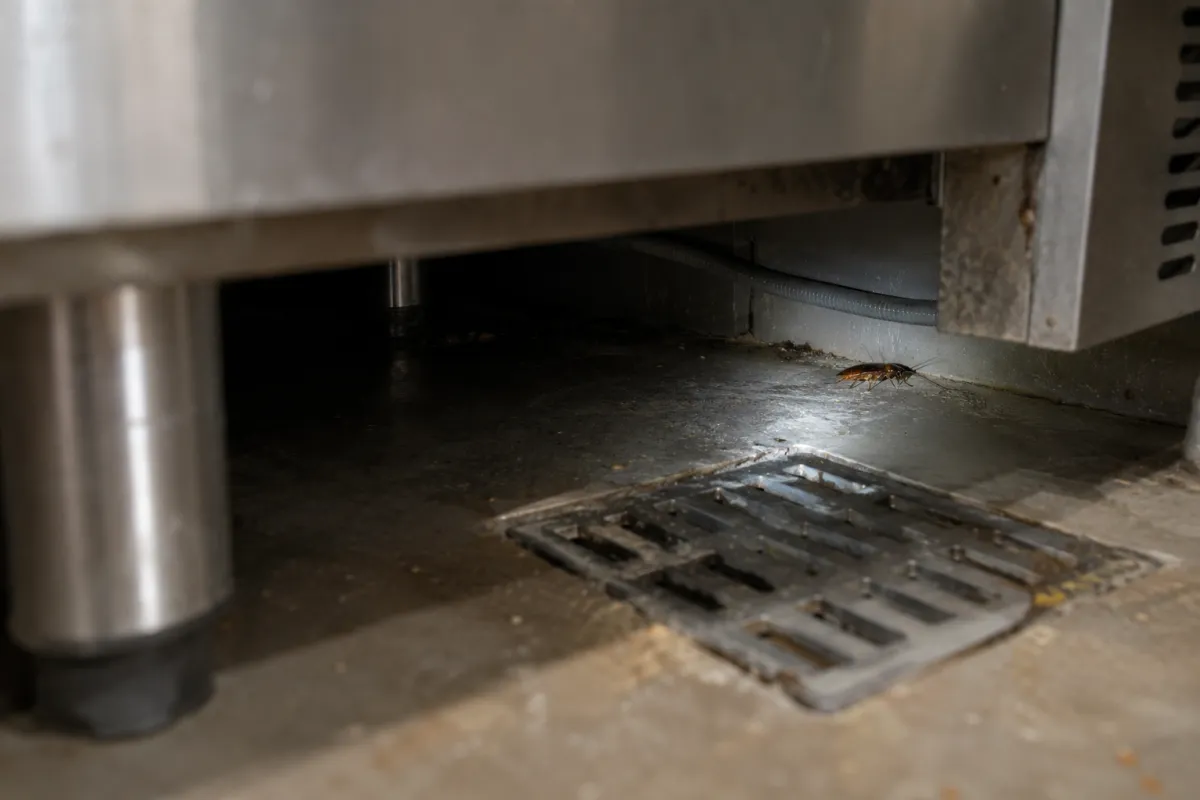
A cockroach in a restaurant, takeaway, café or food shop is more than an unpleasant sight. Cockroaches can carry bacteria onto food and surfaces, they breed quickly in warm kitchens, and evidence of them can have serious consequences at a food hygiene inspection. For food businesses, catching them early matters.
The two species you're most likely to find
German cockroach. The most common cockroach in UK commercial kitchens. Adults are small, about 10–15 mm long and light yellowish-brown, with two dark stripes on the shield behind the head. They like warmth and humidity and hide in tight spaces: behind and inside fridges, dishwashers and ovens, in the motor housings of appliances, in cracked wall tiles and around sinks. They breed quickly, and the female carries an egg case holding around 30–40 eggs until shortly before it hatches.
Oriental cockroach. Larger, about 20–25 mm, dark brown to almost black and slower-moving. It prefers cooler, damp places such as drains, cellars, basements and ground-floor store rooms, and is most often seen around floor drains and gullies and at ground level.
Other species, such as the American cockroach, occasionally turn up in heated buildings, but they are much less common.
Signs to look for
Cockroaches are mainly active at night, so evidence often appears before live insects do. Check for:
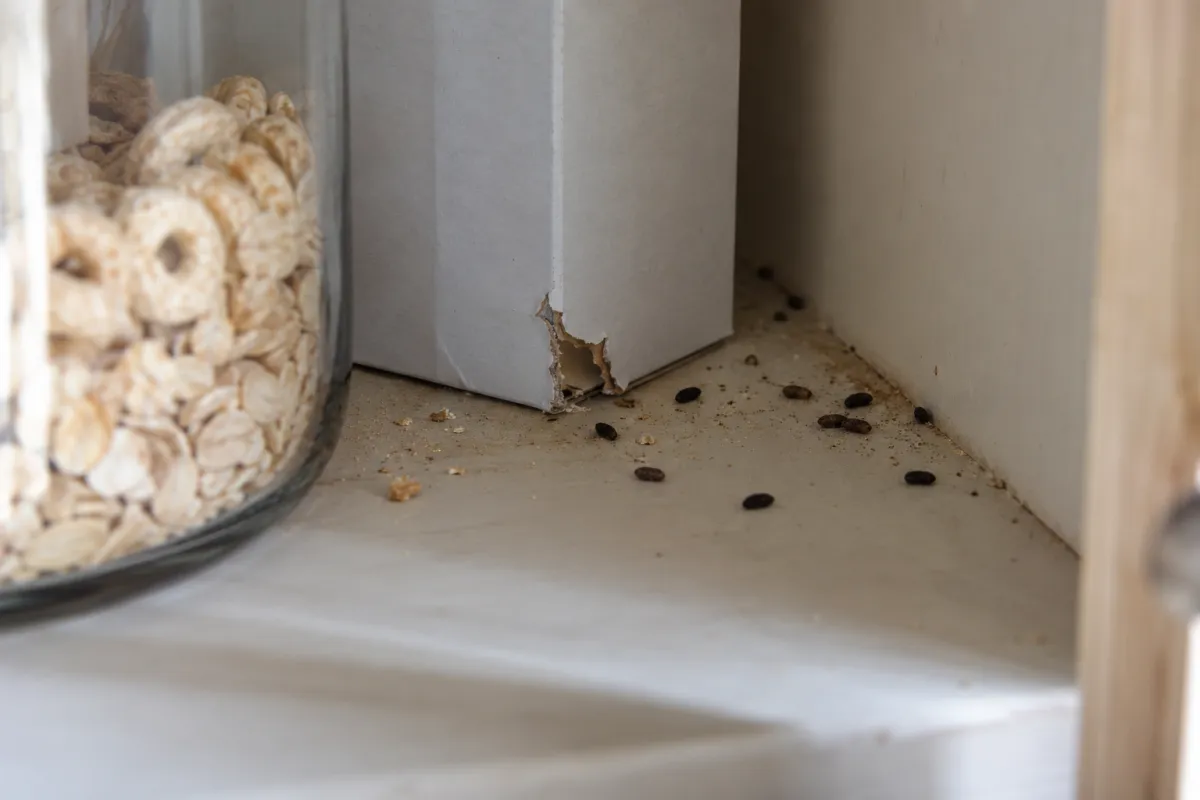
- Droppings. Small dark specks like ground pepper or coffee grounds, or small cylindrical pellets from larger species, in corners, on shelves and along hinges and door seals.
- Egg cases. Brown, purse-shaped capsules, from a few millimetres to around a centimetre long, in cracks, behind equipment and under shelving.
- Shed skins left by growing nymphs.
- Smear marks and a musty, oily smell in heavily infested areas.
- Live cockroaches in daylight. Because they normally hide during the day, seeing them out in the open can indicate a large population.
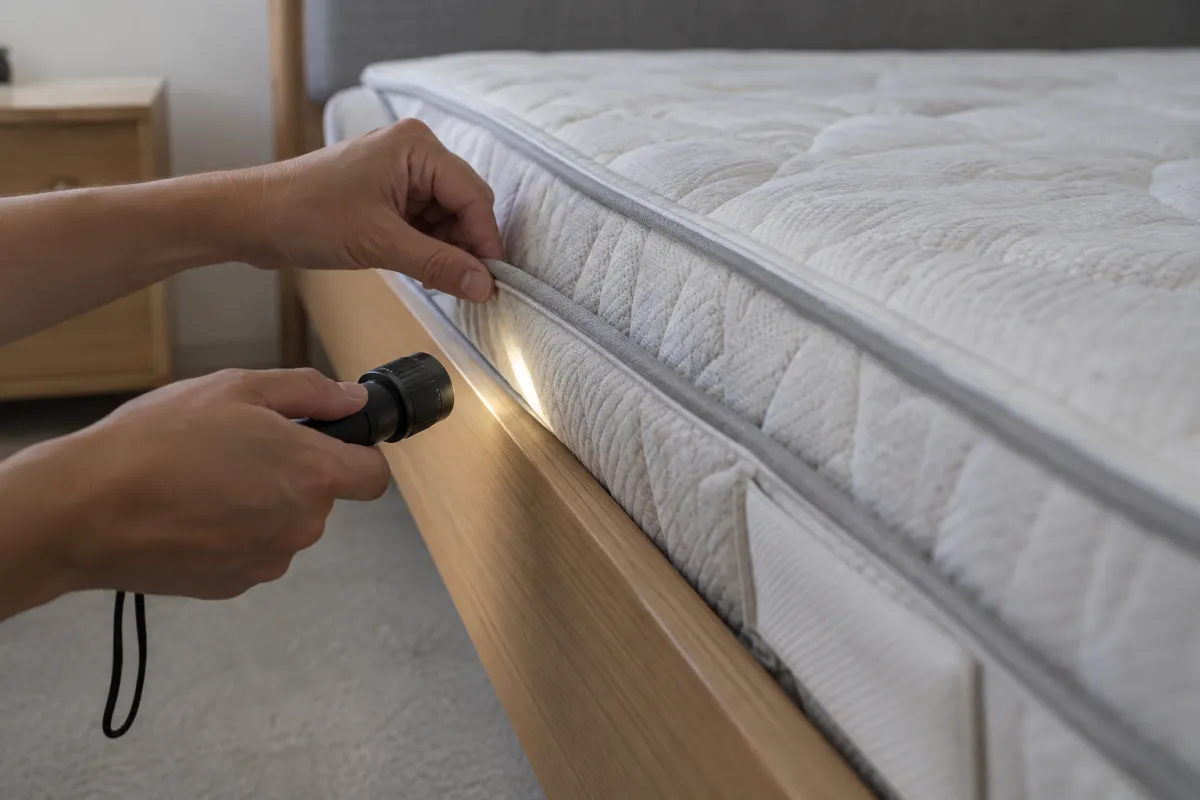
Use a torch. The places that matter most are the awkward ones: behind fridges, under the cook line, around floor drains and in the voids behind wall panels and kick plates.
Food hygiene law and inspections
Pest control is part of food hygiene law. Food businesses must have adequate procedures to keep pests out and deal with them if they get in, and must protect food from contamination. Environmental health officers from your local authority check this during food hygiene inspections.
Evidence of pests can affect your food hygiene rating, and a serious infestation can lead to formal enforcement action. Where there is an imminent risk to health, officers have powers to close premises until the problem has been put right.
Inspectors will also want to see that you manage the risk day to day. In England, many small businesses use the Food Standards Agency's Safer Food, Better Business pack, which includes pest control in its food safety procedures. Keep records of:
- pest control visits, reports and treatments
- sightings reported by staff, with the date and location
- action taken, such as proofing work, deep cleans and repairs
Your local council's environmental health team publishes guidance for food businesses and is the right place to check what's expected for your premises.
Keeping cockroaches out of a commercial kitchen
Prevention comes down to removing food, water and hiding places, and stopping new cockroaches arriving.
- Clean behind and under equipment, not just visible surfaces. Grease and food debris behind fryers, ranges and fridges sustain an infestation, so pull equipment out and clean behind it on a regular schedule.
- Check deliveries. Cockroaches and egg cases arrive in cardboard boxes, crates and packaging. Unpack promptly, check as you go and don't store cardboard in the kitchen.
- Deal with water. Fix dripping taps, leaking pipes and condensation problems, and don't leave wet mops or cloths out overnight.
- Keep drains clean and covered, and make sure drain covers and gully grates fit properly.
- Seal gaps. Fill cracks in tiles and walls, gaps around pipes and cables, and spaces behind skirting and splashbacks.
- Close down properly. Store food in sealed containers, clean down fully at the end of service and empty the bins.
- Train staff to report. A cockroach seen at the end of a shift should be recorded and passed on, not ignored.
Avoid spraying cockroaches with general household insecticides. Some sprays scatter them deeper into equipment and wall voids and can make professional baits less effective.
The same habits help with other common kitchen pests, including flies and mice.
When to get professional help
A single cockroach often means others are hiding nearby. Professional treatment in a commercial kitchen usually combines a thorough inspection, gel baits and other products placed into the areas where cockroaches hide, monitoring traps to measure activity and follow-up visits, along with advice on proofing and cleaning. Many food businesses also have regular scheduled inspections, which gives them a documented pest control record to show at inspection. There is more detail on our cockroach control page.
If you run a food business and need an inspection or treatment, call Mighty Pest Control on 020 7112 8473 or get in touch through our contact page.