Signs of mice in your home and what to do next
Mice are rarely seen but leave plenty of clues. The signs to look for, where to check in your home, and what to do once you know they're there.
Most people find evidence of mice long before they see one. House mice are small, mostly active at night and good at staying out of sight behind kitchen units and inside wall cavities. In East London's older terraces and converted flats, where the spaces under floors and behind skirting boards often connect neighbouring homes, they can move in quietly and go unnoticed for weeks. Knowing the signs helps you act while the problem is still small.
The most common signs of mice
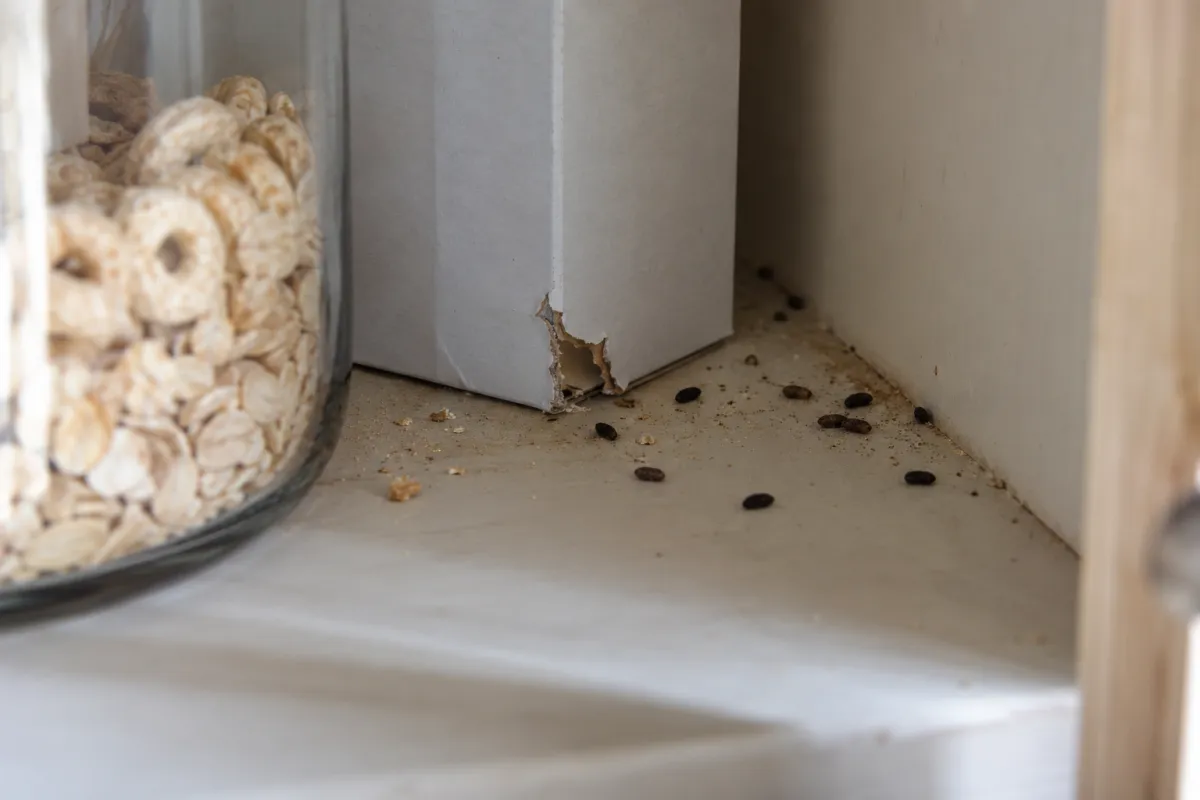
- Droppings. Usually the first thing people notice. Mouse droppings are small, dark and about 3–8 mm long, similar in size to a grain of rice, with pointed ends. They are scattered rather than left in piles, because mice drop them as they move. Fresh droppings are soft and slightly shiny; older ones are dry and crumble easily.
- Gnaw marks. Mice nibble through cardboard, paper and thin plastic to reach food. Look for small, neat holes in cereal boxes, bread bags and packets of rice or pasta, often with shredded bits of packaging nearby.
- Scratching at night. Light scratching or scurrying in walls, ceilings, under floorboards or behind the kitchen plinths, usually in the evening or early hours when the house is quiet.
- Nests. Loose balls of shredded paper, fabric, loft insulation and packaging, tucked into warm, undisturbed spots.
- Smell. A stale, musty smell with a hint of ammonia, strongest in enclosed spaces such as cupboards. It gets more noticeable as numbers grow.
- Smudge marks. Mice use the same routes along walls, and dirt and grease from their fur can leave faint dark marks along skirting boards and around holes.
- Pets behaving oddly. Cats and dogs often notice mice first, pawing at the gap under the cooker or staring at the same spot on a wall.
Seeing a mouse during the day doesn't always mean a large infestation, but it is a reason to act promptly rather than wait.
Where to check
Mice want food, warmth and cover, so start in the kitchen and work outwards:
- the back corners of food cupboards and the cupboard under the sink
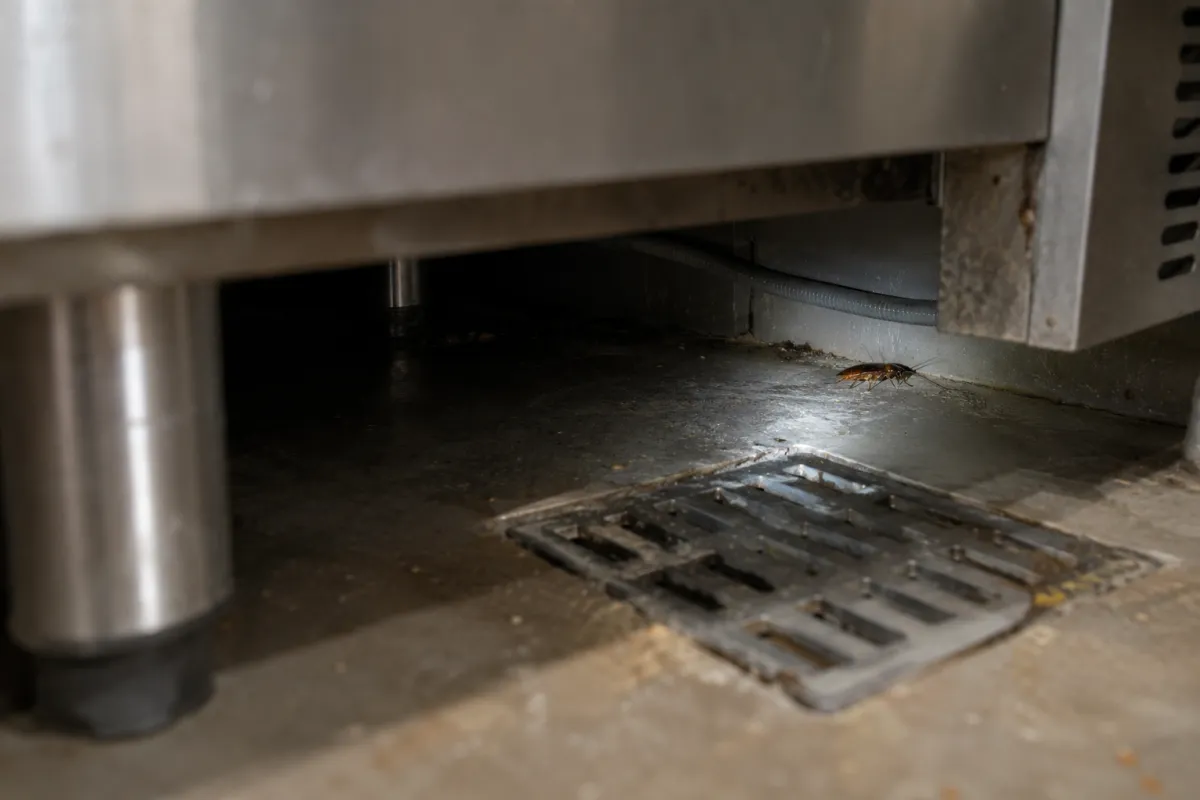
- behind and underneath the cooker, fridge, washing machine and dishwasher
- the space behind the kickboards (plinths) under kitchen units, which usually pull off
- boiler cupboards and airing cupboards
- anywhere pipes and cables come through walls and floors
- the loft, particularly near the eaves and around water tanks
- under the stairs and inside built-in wardrobes
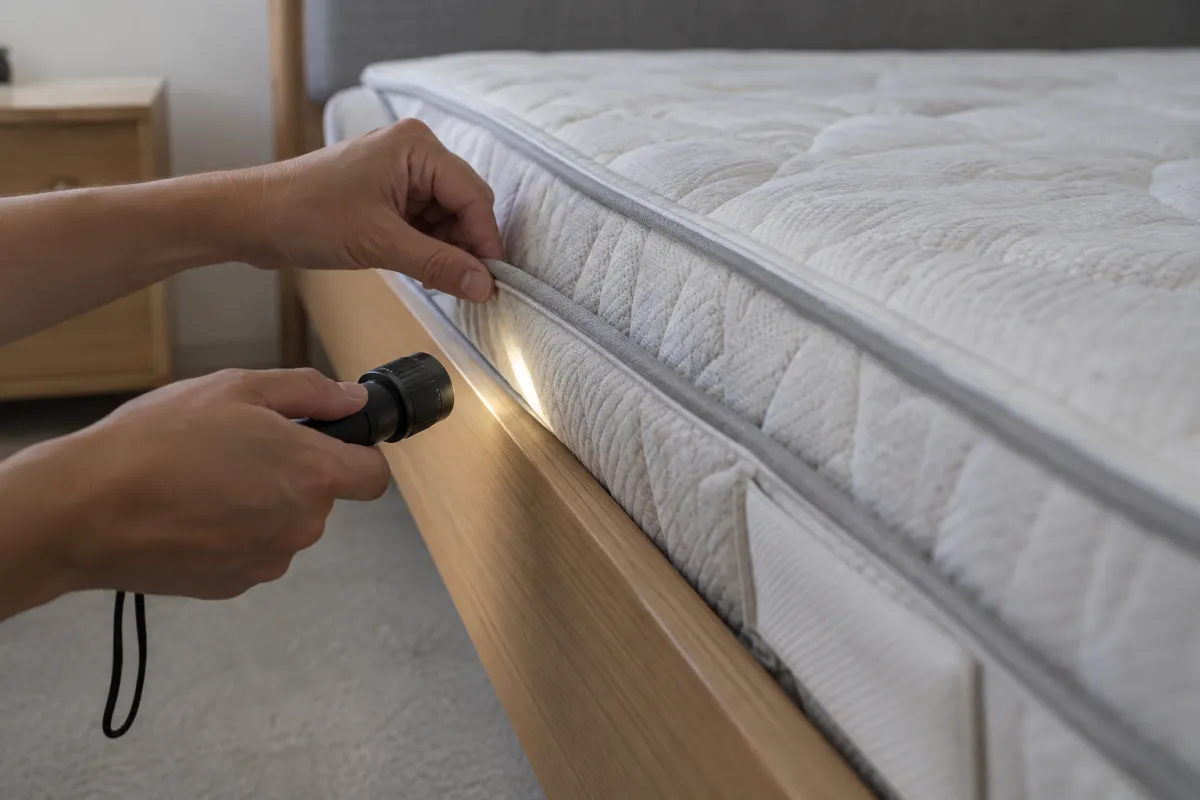
A torch is the most useful tool you have. Droppings tend to collect along the edges of cupboard floors and in the gap between units and the wall.
Why it's worth acting early
House mice breed quickly. A female can have several litters a year, typically five to eight young at a time, and those young can start breeding at around six to eight weeks old. A couple of mice in late summer can become an established population by winter.
They also contaminate what they touch. Mice leave urine and droppings wherever they go and can spread bacteria such as salmonella onto food, worktops and utensils. Their gnawing damages packaging and insulation, and chewed electrical cables are a fire risk.
What you can do straight away
- Move food into sealed containers. Glass, metal or hard plastic with tight-fitting lids. Throw away anything that has been gnawed or has droppings near it.
- Clean up carefully. Wear rubber gloves. Don't sweep or vacuum dry droppings, as this can raise dust; spray them and the surrounding area with disinfectant first, wipe up with paper towels, bag the waste and wash your hands afterwards.
- Remove easy food. Don't leave pet food down overnight, keep bins lidded and clear crumbs, especially under the toaster and around the hob.
- Look for entry points. A mouse can get through a gap of around 6 mm, about the width of a pencil. Check around pipes under the sink and behind appliances, and under external doors.
- Use traps with care. Snap traps set against walls, along the routes mice use, are the usual starting point. If you use any rodenticide, follow the product label exactly and keep it well away from children and pets.
When to call a professional
Home measures can deal with a single mouse that has wandered in. It's worth getting help if:
- you are still finding fresh droppings after a week or two of trapping
- you can hear activity in several rooms or on more than one floor
- you've found a nest, or droppings in the loft
- you live in a flat or terraced house and suspect mice are coming through from next door, where proofing your own home alone may not be enough
- there are young children, older relatives or pets at home and you'd rather not handle traps or baits yourself
A professional will look at how the mice are getting in as well as dealing with the ones already inside. You can read more on our mice control page, and if you live in Forest Gate, Stratford, East Ham or elsewhere in the borough, there is a page covering mice control in Newham.
If you've spotted signs of mice and would like someone to take a look, call Mighty Pest Control on 020 7112 8473 or send us a message through our contact page.